

What is Pearl Luster Sand Powder Pneumatic Conveying Equipment and Its Design Principles?
For industrial applications that require the efficient and reliable transportation of fine powders like pearl luster sand, pneumatic conveying systems offer a robust solution. These systems are engineered to handle materials with specific characteristics, ensuring minimal degradation and optimal performance. This article explores the fundamental aspects of pearl luster sand powder pneumatic conveying equipment, detailing its design principles and operational benefits.
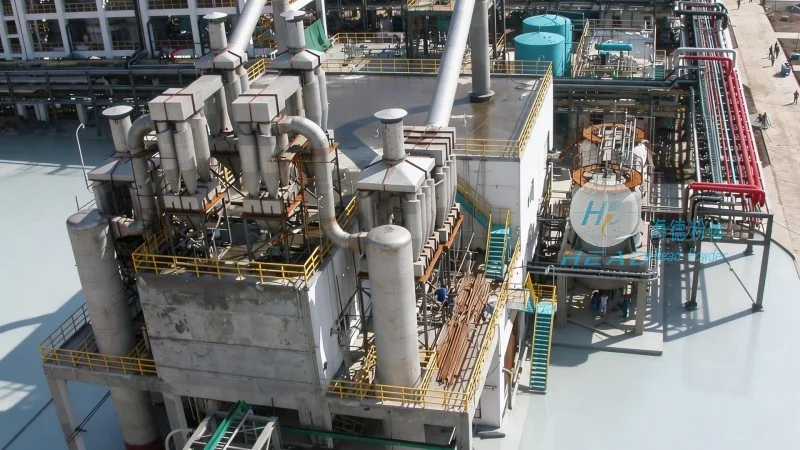
Pneumatic Conveying Systems: An Overview
Pneumatic conveying is a method of transporting bulk materials through a pipeline using a pressurized air or gas stream. Unlike mechanical systems that rely on belts, buckets, or screws, pneumatic systems utilize air pressure to move materials, making them ideal for handling delicate or abrasive powders such as pearl luster sand. The core components of a pneumatic conveying system include a hopper for material storage, a conveyor line, a venturi or airlock for material acceleration, and a receiver for product collection. Each component works in tandem to ensure smooth material flow and prevent blockages or degradation.
Understanding Pearl Luster Sand: Material Characteristics
Pearl luster sand is a specialized powder used in various industries, including cosmetics, coatings, and ceramics. Its fine particle size and lustrous properties make it highly valuable but also challenging to transport. Unlike coarser materials, pearl luster sand is prone to agglomeration and can easily clog traditional conveying systems. Therefore, the design of pneumatic conveying equipment for this material must address these unique challenges. Key material characteristics that influence system design include particle size distribution, moisture content, and density, all of which affect the air velocity and pressure required for effective transport.
Design Principles of Pneumatic Conveying Equipment
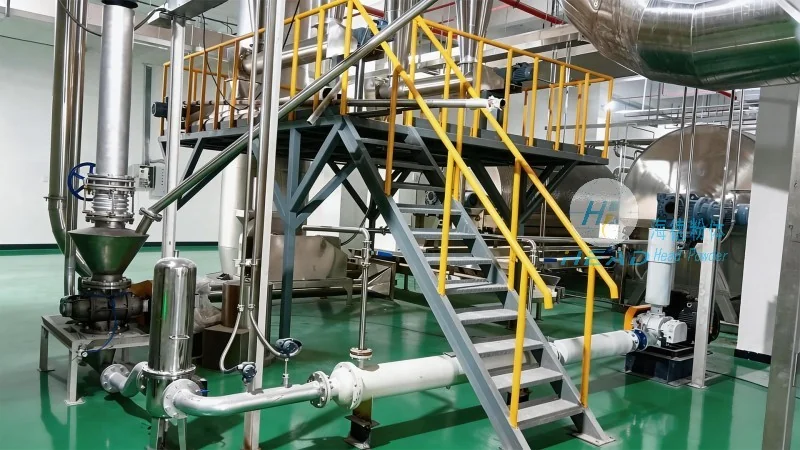
The design of a pneumatic conveying system for pearl luster sand is guided by several critical principles aimed at maximizing efficiency and material integrity. First, the system must maintain consistent air velocity to prevent material settling or clogging. This is achieved through the use of venturi sections or airlocks that create a stable pressure gradient along the conveyor line. Second, the equipment must minimize material impact and friction to avoid particle breakage or surface damage. This is typically accomplished by using smooth, corrosion-resistant pipelines and gentle material acceleration techniques. Third, the system should incorporate filtration and separation mechanisms to ensure that the conveyed material remains clean and free from contaminants. These features are essential for maintaining product quality and compliance with industry standards.
Key Components and Their Functions
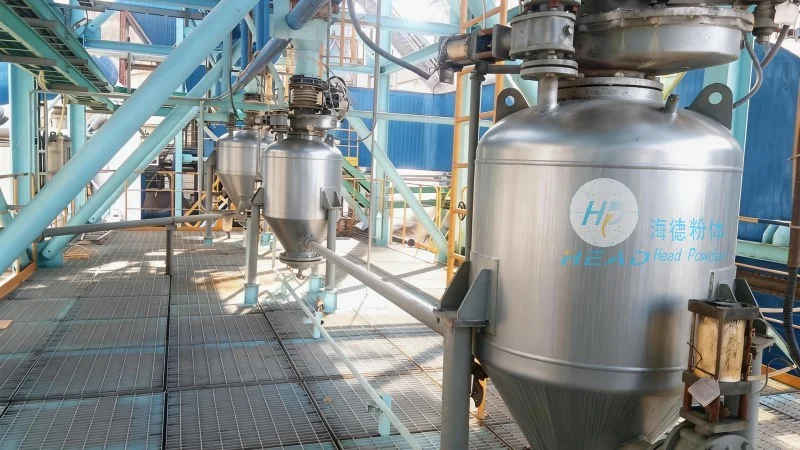
Each component of the pneumatic conveying system plays a vital role in the successful transport of pearl luster sand. The hopper, often equipped with a rotary valve or gate, serves as the material feed point, ensuring a controlled and continuous supply of powder. The conveyor line, typically made of stainless steel or other corrosion-resistant materials, provides the path for material transport. The venturi or airlock component generates the necessary air pressure to accelerate the material, while the receiver collects the product at the destination. Additionally, the system may include a filter or cyclone to separate any entrained air from the product, ensuring that the final output is clean and free from dust or debris.
Operational Considerations and Maintenance
Proper operation and maintenance are crucial for the longevity and efficiency of a pneumatic conveying system for pearl luster sand. Regular cleaning of the conveyor line and filter system is essential to prevent clogging and maintain air flow. Monitoring air pressure and velocity is also important to ensure that the system operates within optimal parameters. Additionally, the use of appropriate lubricants and protective coatings on equipment components can extend their lifespan and reduce maintenance costs. By adhering to these operational guidelines, users can maximize the performance and reliability of their pneumatic conveying equipment.
Conclusion
Pneumatic conveying equipment for pearl luster sand is a sophisticated solution that addresses the unique challenges of transporting fine, lustrous powders. By adhering to design principles that prioritize material integrity, efficient transport, and system reliability, manufacturers can deliver systems that meet the demands of modern industrial applications. As a leading provider in this field, Shandong HeadPowder Engineering Co., Ltd. specializes in designing and manufacturing customized pneumatic conveying systems tailored to the specific needs of their clients, ensuring optimal performance and long-term value.