

What is a Positive Pressure Pneumatic Conveying System? And What Are Its Design Principles?
Positive pressure pneumatic conveying systems are a critical component in modern industrial material handling, offering efficient and flexible solutions for transporting bulk materials over short to medium distances. This technology relies on pressurized air or gas to move solid particles through a pipeline, making it an ideal choice for various applications where traditional mechanical conveying methods may be less suitable. Understanding the core concepts and design principles behind these systems is essential for selecting the right equipment and optimizing performance in industrial settings.
Understanding Positive Pressure Pneumatic Conveying
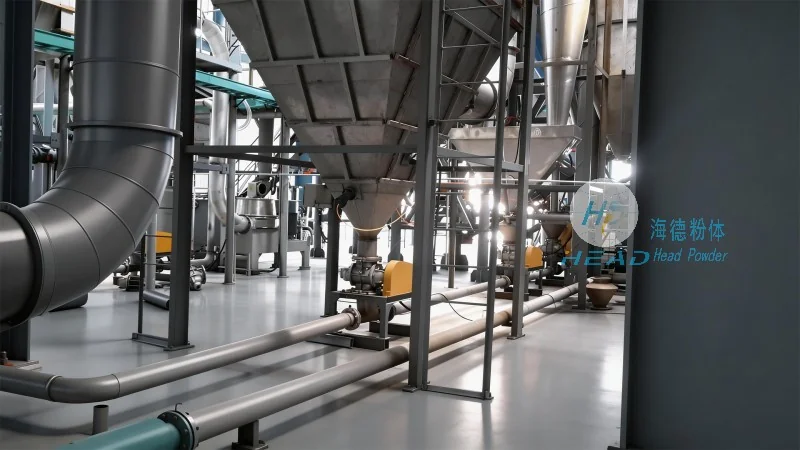
A positive pressure pneumatic conveying system operates by generating a higher pressure inside the conveying line compared to the ambient environment. This pressure differential forces the material to move through the pipeline as it is carried by the flowing air or gas. The system typically consists of a blower or compressor that supplies the pressurized air, a hopper or feeder to introduce the material, and a series of pipes and fittings that guide the material to its destination. The key advantage of this approach is that it can handle a wide range of materials, including powders, granules, and even bulk solids, with minimal maintenance and the ability to transport materials in a closed system, reducing dust and contamination risks.
Design Principles of Positive Pressure Pneumatic Conveying Systems
The design of a positive pressure pneumatic conveying system involves several critical principles that ensure efficient and reliable operation. One of the primary considerations is the selection of the appropriate air velocity and pressure. The air velocity must be sufficient to lift and transport the material particles without causing excessive wear on the system components. This is often determined by the material's properties, such as particle size, density, and moisture content. Additionally, the system's pressure must be carefully controlled to maintain the desired flow rate and prevent material buildup or blockages in the pipeline.
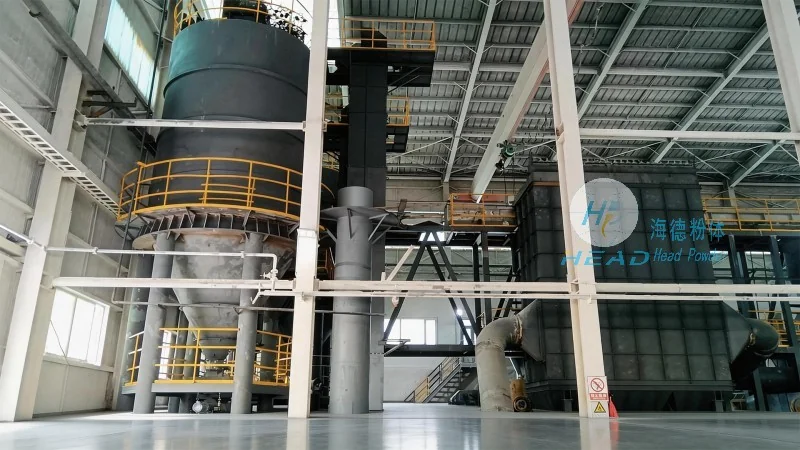
Another crucial design principle is the configuration of the conveying line, including the number and layout of the pipes, bends, and fittings. The system may use straight pipes, elbows, and tees to direct the material flow, and the design must account for the pressure drop across each component to ensure consistent performance. The use of appropriate materials for the pipeline, such as stainless steel or corrosion-resistant alloys, is also essential to withstand the abrasive nature of many bulk materials and the effects of pressure and temperature.
Key Components and Their Functions
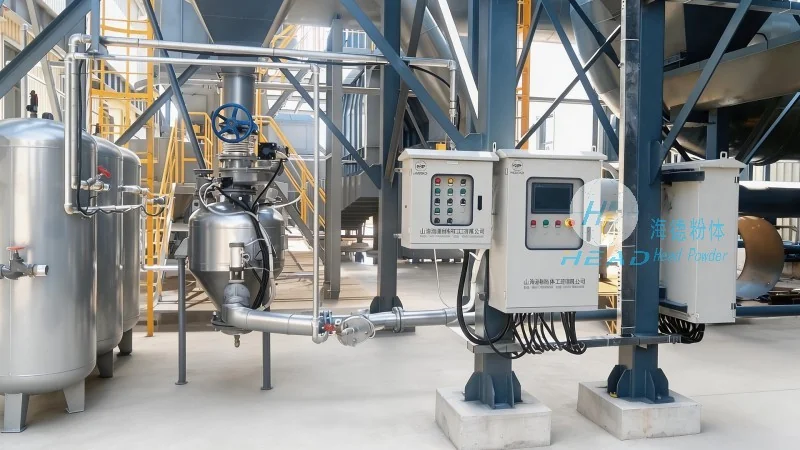
Several key components work together to make a positive pressure pneumatic conveying system functional. The blower or compressor is the heart of the system, providing the necessary pressure and airflow to move the material. It is typically selected based on the required flow rate and pressure, with options ranging from rotary lobe blowers to centrifugal compressors. The feeder or hopper is responsible for introducing the material into the system, and it may include features like a rotary valve or a screw feeder to control the material flow rate and prevent blockages. The pipeline itself is a critical component, with the design of the pipe diameter and length affecting the system's efficiency and pressure requirements. Finally, the receiver or discharge unit collects the material at the end of the conveying line, and it may include a filter or separator to remove any air or dust from the material before it is discharged.
Advantages and Applications
Positive pressure pneumatic conveying systems offer several advantages over other material handling methods. They can transport materials over longer distances and at higher capacities, making them suitable for applications where traditional conveying methods are impractical. The closed system design reduces dust emissions and contamination, which is particularly important in industries such as food, pharmaceuticals, and chemicals. Additionally, the system can handle a wide variety of materials, including those that are abrasive, corrosive, or sensitive to moisture, making it a versatile solution for many industrial processes.
Common applications of positive pressure pneumatic conveying include the transport of powders and granules in the food and beverage industry, the handling of chemicals and pharmaceuticals in the pharmaceutical industry, and the movement of bulk materials in the mining and construction industries. In these applications, the system's ability to handle different materials and maintain a clean, controlled environment makes it an ideal choice for ensuring product quality and safety.
Considerations for System Design and Optimization
When designing a positive pressure pneumatic conveying system, several factors must be considered to ensure optimal performance and efficiency. The first is the material properties, as these directly impact the system's design parameters, such as air velocity and pressure. The system must be tailored to the specific characteristics of the material being transported, including particle size distribution, density, and flowability. Another important consideration is the system's capacity and flow rate requirements, which must be matched to the production needs of the facility. The layout of the conveying line, including the number and location of the bends and fittings, also affects the system's performance and must be optimized to minimize pressure losses and ensure smooth material flow.
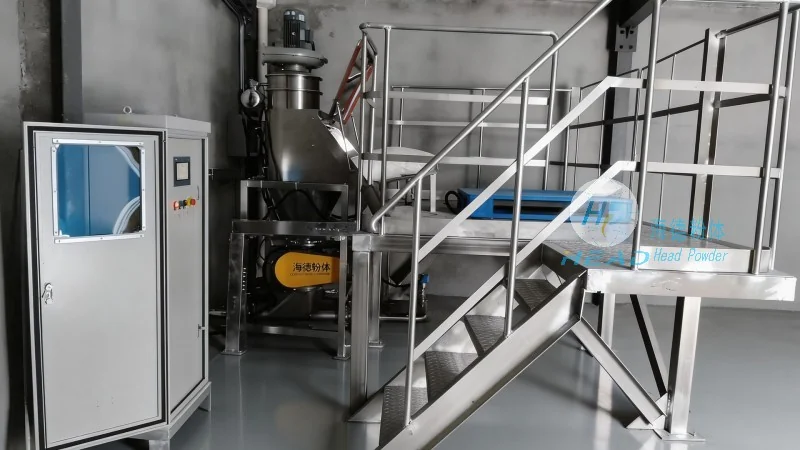
Regular maintenance and monitoring are also critical to the long-term performance of the system. Components such as the blower, feeder, and pipeline should be inspected regularly to ensure they are functioning properly and to prevent potential issues before they become major problems. The use of sensors and monitoring systems can help detect changes in pressure, flow rate, or material level, allowing for timely adjustments and maintenance to keep the system operating at peak efficiency.
Conclusion
Positive pressure pneumatic conveying systems are a sophisticated and effective solution for material handling in a wide range of industrial applications. By understanding the design principles and key components of these systems, manufacturers can select the right equipment to meet their specific needs and optimize performance. With proper design, maintenance, and operation, these systems can provide reliable, efficient, and cost-effective material transport, contributing to improved productivity and safety in industrial settings.