

What is a High-Pressure Dense-Phase Pneumatic Conveying System? And What Are Its Design Principles?
High-pressure dense-phase pneumatic conveying systems represent a sophisticated method for transporting bulk materials through a pipeline using compressed air. This technology is particularly valuable in industries where material handling efficiency, product integrity, and operational reliability are critical. The system operates by injecting high-pressure air into a pipeline containing the material, creating a dense, solid-air mixture that moves the material from the source to the destination. Unlike traditional pneumatic conveying, which often relies on lower pressures and less material concentration, dense-phase systems offer superior control over material flow, minimizing particle degradation and ensuring consistent delivery.
The Core Design Principles of High-Pressure Dense-Phase Pneumatic Conveying
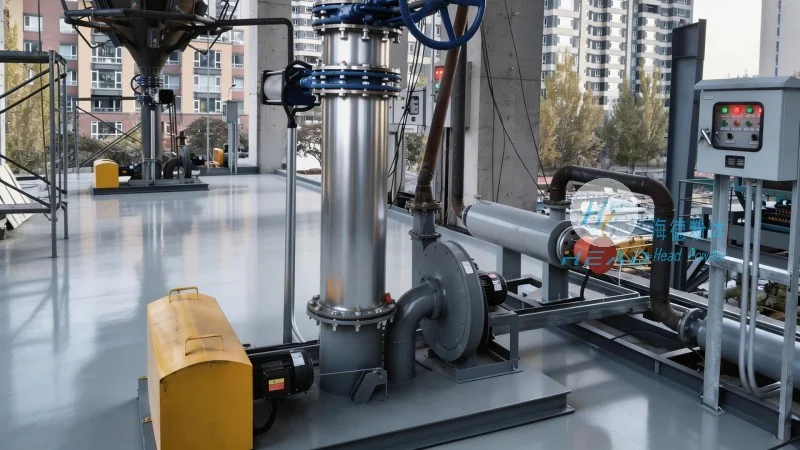
The design of a high-pressure dense-phase pneumatic conveying system is governed by several key principles that ensure optimal performance and material handling. These principles include: material properties analysis, system pressure selection, pipeline configuration, and control mechanisms. Each component of the system is carefully engineered to work in harmony, addressing the specific characteristics of the material being conveyed. For instance, the choice of pressure is determined by factors such as particle size, density, and moisture content, as these variables directly impact the system's ability to maintain a dense phase. The pipeline design, including diameter, length, and bends, is optimized to minimize pressure drop and prevent material segregation or blockages. Additionally, the system incorporates advanced control systems that monitor pressure, flow, and material level, allowing for real-time adjustments to maintain consistent operation.
Key Components and Their Functions in a High-Pressure Dense-Phase System
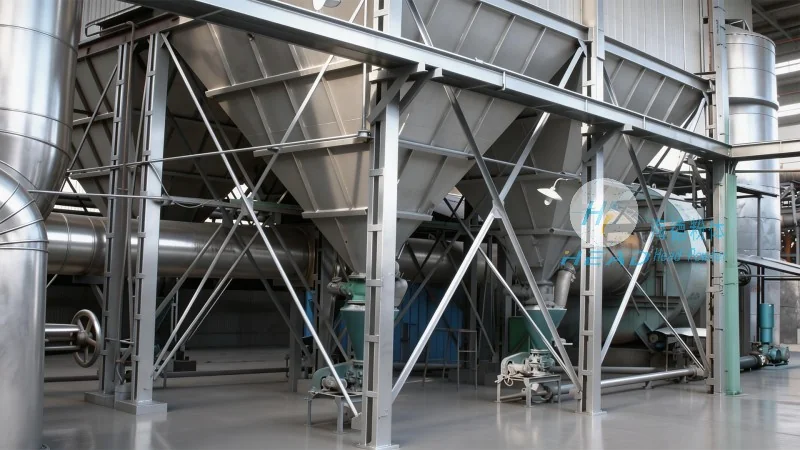
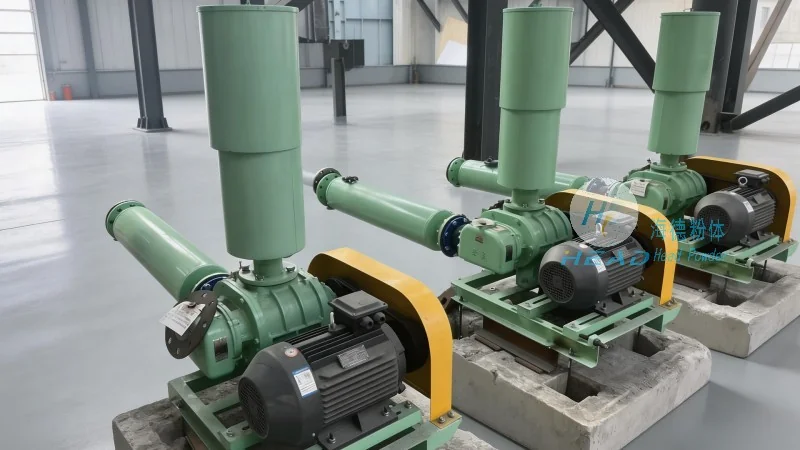
A high-pressure dense-phase pneumatic conveying system consists of several essential components, each playing a vital role in the overall operation. The primary components include the material feed hopper, the air compressor or blower, the conveying pipeline, the control valves, and the receiving hopper. The material feed hopper is designed to store and feed the bulk material into the pipeline at a controlled rate, ensuring a steady flow. The air compressor or blower provides the high-pressure air required to create the dense phase, with pressure levels typically ranging from 10 to 100 bar, depending on the application. The conveying pipeline is constructed from durable materials such as stainless steel or plastic, chosen to withstand the high pressures and abrasive nature of the material. Control valves, such as check valves and pressure relief valves, regulate the air flow and prevent backflow, while the receiving hopper collects the material at the destination, maintaining a consistent level. Each component is selected and integrated to ensure the system operates efficiently and safely, minimizing downtime and maximizing material throughput.
Applications and Benefits of High-Pressure Dense-Phase Pneumatic Conveying
High-pressure dense-phase pneumatic conveying systems are widely used in various industries, including pharmaceuticals, food processing, chemicals, and minerals. The technology offers several advantages over traditional methods, such as reduced material degradation, improved product quality, and enhanced safety. For example, in the pharmaceutical industry, dense-phase systems are used to transport sensitive powders without exposing them to air or moisture, maintaining their purity and efficacy. In the food industry, these systems ensure that products remain fresh and uncontaminated during transport. The benefits also extend to operational efficiency, as dense-phase systems can handle high material loads with lower air consumption compared to other pneumatic conveying methods. Additionally, the system's ability to handle abrasive materials reduces wear and tear on equipment, lowering maintenance costs and extending the lifespan of the machinery.
HeadPowder: A Leader in High-Pressure Dense-Phase Pneumatic Conveying Solutions
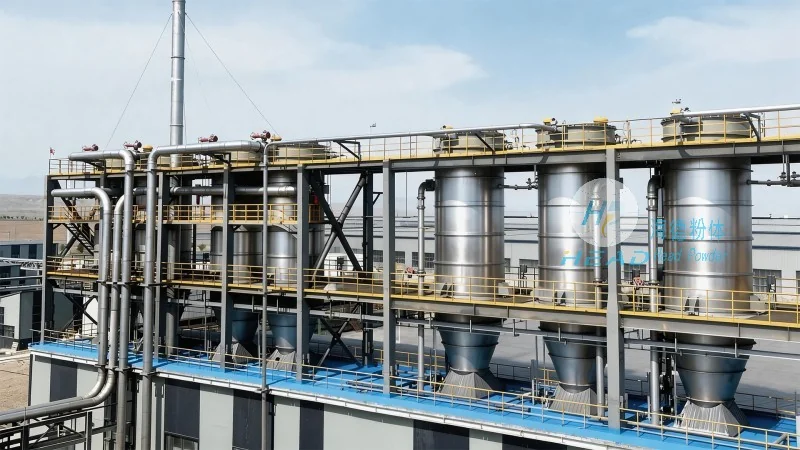
Shandong HeadPowder Engineering Co., Ltd. is a leading manufacturer and supplier of high-pressure dense-phase pneumatic conveying systems, specializing in customized solutions tailored to the unique needs of each client. With a strong commitment to quality and innovation, HeadPowder has established itself as a trusted partner in the material handling industry. The company's team of experienced engineers and technicians work closely with clients to design and implement systems that meet their specific requirements, ensuring optimal performance and reliability. HeadPowder's products are manufactured using high-quality materials and advanced technology, adhering to international standards and industry best practices. The company also provides comprehensive after-sales support, including maintenance, repair, and technical assistance, to ensure that clients' systems operate at peak efficiency. Based in Shandong, China, HeadPowder leverages its local expertise and resources to deliver cost-effective and reliable solutions to customers worldwide.