

What is a PVC Resin Powder Pneumatic Conveying Equipment? And What Are Its Design Principles?
For industrial applications involving the handling of PVC resin powders, selecting the right equipment is crucial for efficiency and safety. This article explores the PVC resin powder pneumatic conveying equipment, detailing its functionality and the underlying design principles that make it effective in material transport. By understanding these aspects, businesses can make informed decisions about implementing such systems in their operations.
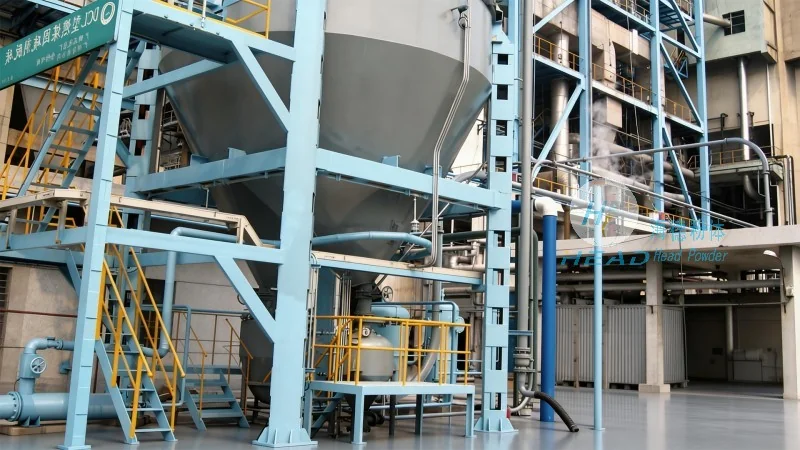
PVC Resin Powder Pneumatic Conveying Equipment: An Overview
HeadPowder, a leading manufacturer based in Shandong, China, specializes in providing advanced pneumatic conveying solutions tailored to the needs of the plastic and chemical industries. The PVC resin powder pneumatic conveying equipment is a critical component in processes where the reliable and safe transport of PVC resin powders is essential. This equipment utilizes air or gas as the medium to move powders through a pipeline system, eliminating the need for mechanical components like belts or buckets that might cause contamination or mechanical failure.
Key Design Principles of PVC Resin Powder Pneumatic Conveying Equipment
The design of PVC resin powder pneumatic conveying equipment is guided by several fundamental principles to ensure optimal performance. First, the system must maintain a consistent air flow rate to achieve the desired conveying velocity. This velocity is critical as it determines the ability of the air to lift and transport the powder particles. The equipment typically includes a hopper for material storage, a blower or compressor to generate the air pressure, and a pipeline network that connects the source to the destination. The design also considers the particle size and density of the PVC resin powder, as these factors influence the air velocity required for effective transport. For example, finer powders may require higher air velocities to prevent settling or blockages in the pipeline.
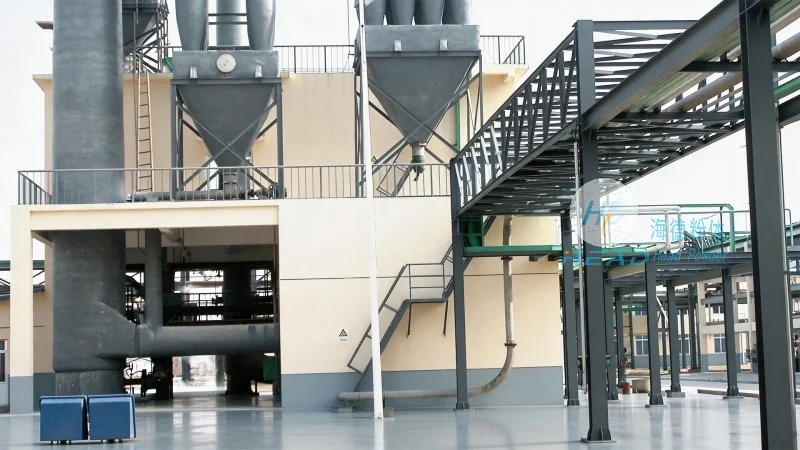
Components and Their Functions
The PVC resin powder pneumatic conveying equipment consists of several key components, each playing a vital role in the overall operation. The hopper serves as the storage and feeding unit, ensuring a steady supply of material to the system. It is designed with a smooth interior to minimize powder accumulation and prevent caking. The blower or compressor is responsible for generating the necessary air pressure and flow. This component can be either positive displacement or centrifugal, depending on the system requirements. The pipeline network connects the hopper to the discharge point and may include bends, elbows, and filters to maintain the air quality and prevent particle deposition. Filters are essential to remove any fine particles from the air stream, protecting downstream equipment and ensuring compliance with air quality standards. Additionally, the system may include a control panel that monitors and adjusts the air flow and pressure, allowing for real-time adjustments to maintain optimal conveying conditions.
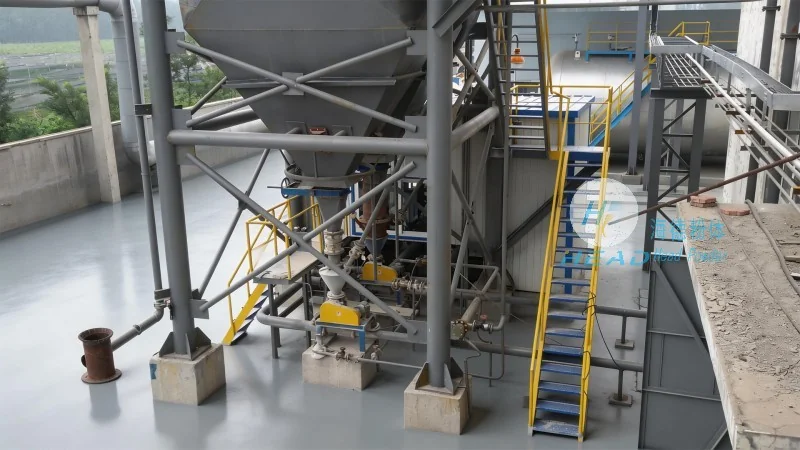
Advantages of Using PVC Resin Powder Pneumatic Conveying Equipment
Implementing a pneumatic conveying system for PVC resin powders offers several advantages over traditional mechanical conveying methods. One of the primary benefits is the elimination of contamination risks. Since the material is transported in an enclosed system, there is no exposure to external elements or contaminants, which is particularly important for food-grade or pharmaceutical applications. Another advantage is the reduced risk of product degradation. The enclosed system prevents moisture absorption or oxidation, which can affect the quality and performance of the PVC resin. Furthermore, pneumatic conveying systems are generally more energy-efficient compared to mechanical systems, as they require less maintenance and can operate at lower power consumption. The flexibility of the system allows for easy integration with existing production lines, and the ability to transport materials over long distances without the need for intermediate storage points enhances operational efficiency.
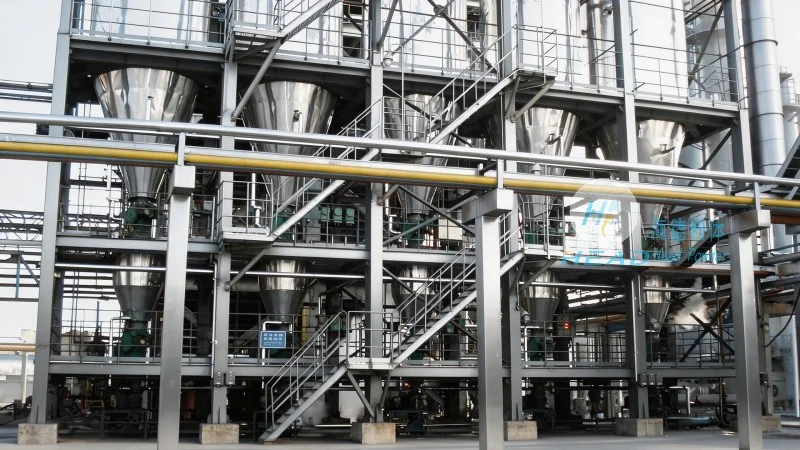
Application Examples and Industry Impact
The PVC resin powder pneumatic conveying equipment is widely used in various industrial applications. In the plastic manufacturing industry, it is used to transport PVC resin from storage silos to processing machines, ensuring a continuous supply of material. In the chemical industry, it is employed to move PVC powders between different processing stages, such as mixing, drying, and compounding. The equipment is also utilized in the production of PVC pipes, profiles, and other products, where consistent material flow is critical for maintaining product quality. The use of this equipment has significantly improved the efficiency and safety of material handling processes, reducing downtime and operational costs for businesses. By implementing such systems, companies can achieve higher productivity and better control over their production processes, leading to improved overall performance.
Conclusion and Company Information
In conclusion, the PVC resin powder pneumatic conveying equipment is a sophisticated and effective solution for transporting PVC resin powders in industrial settings. The design principles, components, and advantages of this equipment make it a preferred choice for businesses seeking reliable and efficient material handling solutions. HeadPowder, with its expertise and commitment to quality, provides top-tier pneumatic conveying systems that meet the specific needs of the industry. Based in Shandong, China, HeadPowder Engineering Co., Ltd. leverages advanced technology and engineering expertise to deliver equipment that enhances operational efficiency and safety. For businesses looking to optimize their PVC resin powder handling processes, investing in a well-designed pneumatic conveying system is a strategic decision that can yield significant benefits in terms of productivity, cost savings, and product quality.