

What is an Aluminum Battery Pneumatic Conveying Machine? And What Are Its Design Principles?
Aluminum battery pneumatic conveying machines are specialized industrial equipment designed for the efficient and safe transportation of materials related to aluminum battery production. Developed by Shandong HeadPowder Engineering Co., Ltd. (headpowder), these systems utilize pneumatic technology to move materials through a sealed pipeline network, ensuring minimal contamination and optimal performance. As part of modern manufacturing processes, they play a crucial role in enhancing productivity and maintaining material integrity throughout the production cycle.
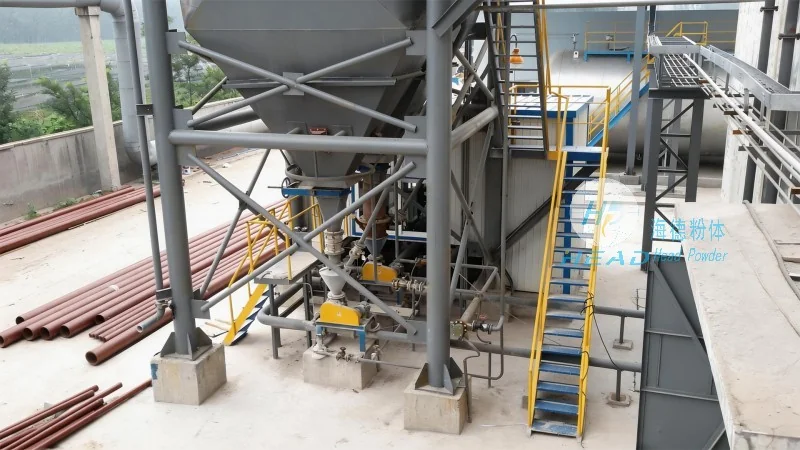
Key Components and Design of Aluminum Battery Pneumatic Conveying Machines
The design of an aluminum battery pneumatic conveying machine typically involves several key components that work in concert to ensure optimal performance. The system generally includes a hopper or feed hopper, which serves as the initial point for material intake. This hopper is equipped with a feeder, such as a rotary valve or a screw feeder, that regulates the flow of material into the conveying line. The conveying line itself is a sealed pipeline, often made from materials like stainless steel or aluminum, to prevent material loss and contamination. At the receiving end, a receiver or silo is used to collect the conveyed material. Additionally, the system may include a filter or dust collector to manage any airborne particles, ensuring compliance with environmental regulations and maintaining air quality in the workspace.
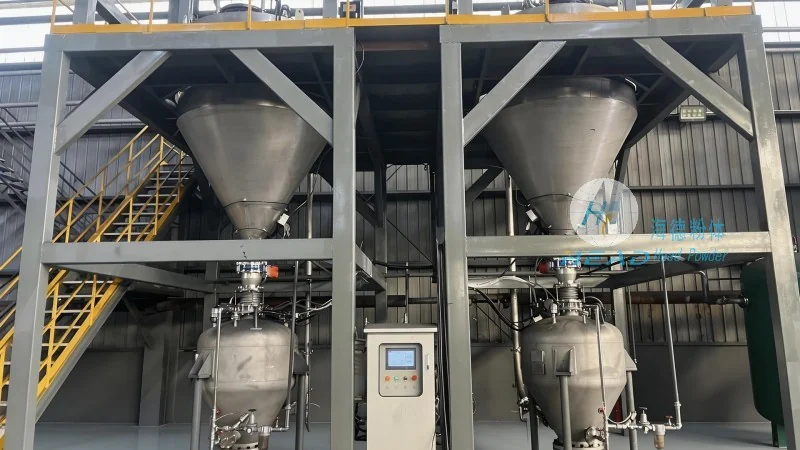
Working Principle and Operational Mechanism
The operational principle of an aluminum battery pneumatic conveying machine is based on the use of compressed air to create a flow of material through the conveying line. When the feeder opens, material is drawn into the pipeline by the moving air stream. The air velocity is carefully controlled to ensure that the material is transported without causing excessive wear or degradation. The design of the system, including the size of the pipeline, the air pressure, and the feeder speed, is crucial for achieving efficient and consistent material transport. For aluminum battery applications, the system is often tailored to handle materials that may be sensitive to moisture or contamination, with features such as moisture-proof seals and high-quality filtration.
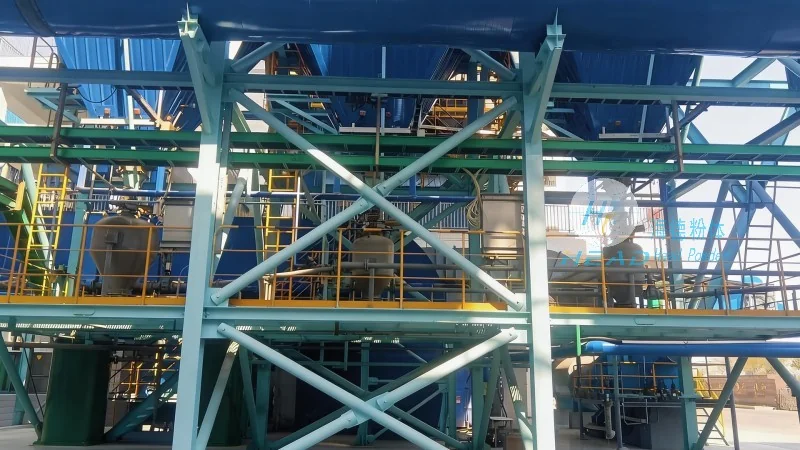
Advantages of Using Aluminum Battery Pneumatic Conveying Machines
There are several advantages to employing aluminum battery pneumatic conveying machines in industrial settings. One of the primary benefits is the ability to handle materials in a closed system, which minimizes the risk of dust exposure and contamination. This is particularly important for aluminum battery components, which may be sensitive to environmental factors. Additionally, these systems can operate with lower labor costs compared to traditional methods like manual handling or mechanical conveyors, as they require less human intervention. The compact design of many pneumatic conveying machines also allows for integration into existing production lines without significant space requirements. Furthermore, the systems are highly adaptable, allowing for changes in material type or processing requirements with minimal modifications.
Applications in the Aluminum Battery Industry
Aluminum battery pneumatic conveying machines find applications in various stages of the aluminum battery manufacturing process. For instance, they are used to transport raw materials such as aluminum powder or other battery components from storage areas to production lines. During the manufacturing process, these machines can convey materials between different processing stages, such as from mixing to coating or assembly. In quality control and finishing stages, they may be used to transport finished or partially finished battery components to inspection or packaging areas. The ability to handle materials in a controlled environment ensures that the integrity of the aluminum battery components is maintained throughout the production cycle.
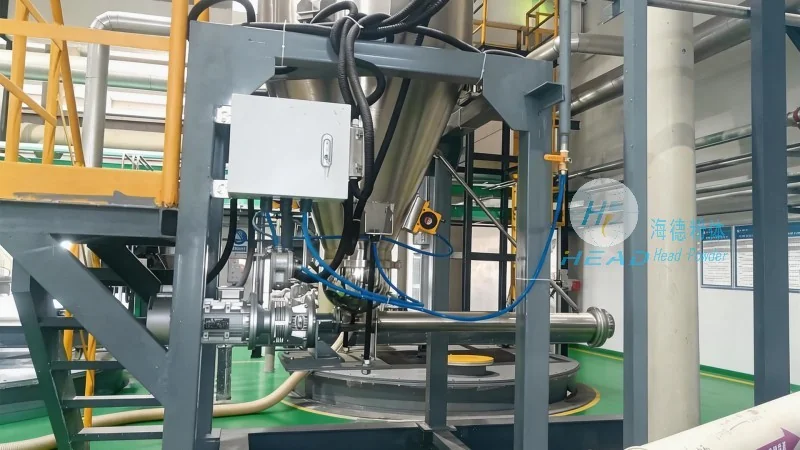
Considerations for Design and Implementation
When designing and implementing an aluminum battery pneumatic conveying machine, several factors must be considered to ensure optimal performance and safety. The material of construction is a critical factor, as the equipment must be resistant to corrosion and wear from the aluminum battery components. Stainless steel is commonly used for the pipeline and components due to its durability and resistance to chemical exposure. The system must also be designed to handle the specific properties of aluminum battery materials, such as their tendency to generate static electricity, which may require anti-static measures. Additionally, the air filtration system must be capable of capturing fine particles to prevent contamination and ensure compliance with environmental regulations. Proper maintenance and regular inspections are also essential to maintain the efficiency and longevity of the system.