

What is an Industrial Salt Pneumatic Conveying System? And What Are Its Design Principles?
Industrial salt pneumatic conveying systems are specialized equipment used for the efficient transport of bulk industrial salt from one location to another within industrial facilities. These systems are designed to handle the unique properties of industrial salt, such as its granular nature and potential for dust generation, ensuring safe and reliable material handling. The core of these systems lies in their pneumatic conveying technology, which uses compressed air or other gases to move the salt through a pipeline network. This method offers advantages over traditional mechanical conveying, including reduced equipment wear, lower maintenance requirements, and the ability to transport materials over longer distances without the need for multiple transfer points.
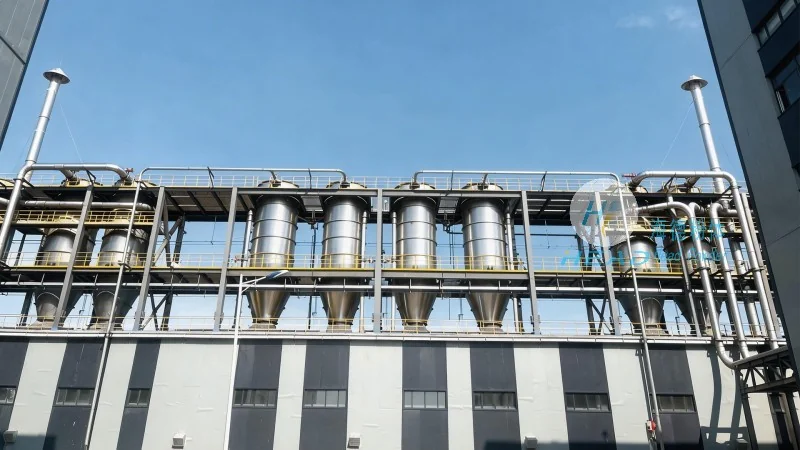
Overview of Industrial Salt Pneumatic Conveying Systems
Industrial salt pneumatic conveying systems are engineered to meet the demands of various industrial applications, particularly in the chemical, food processing, and mining sectors. These systems are typically composed of several key components, including a hopper for material storage, a blower or compressor to generate the conveying air, a pipeline system for transporting the salt, and a receiver or discharge point where the material is deposited. The system operates by feeding the industrial salt into the hopper, where it is then drawn into the pipeline by the moving air stream. The air-salt mixture travels through the pipeline, and the salt is separated from the air at the discharge point, often through a cyclone separator or other filtration device. This process allows for the continuous and automated movement of industrial salt, improving operational efficiency and reducing labor costs.
Design Principles of Industrial Salt Pneumatic Conveying Systems
The design of industrial salt pneumatic conveying systems is based on several fundamental principles to ensure optimal performance and reliability. The first principle is the selection of appropriate air velocity, which must be sufficient to overcome the gravitational and frictional forces acting on the salt particles while preventing excessive pressure drops in the pipeline. The air velocity is typically determined by the size and density of the salt particles, as well as the desired conveying distance. Another critical design principle is the consideration of pressure drop, which is the reduction in air pressure as it travels through the pipeline. Proper design of the pipeline diameter, length, and fittings is essential to minimize pressure drop and ensure that the blower or compressor can provide enough air volume and pressure to maintain the conveying process. Additionally, the system must be designed to handle the potential for dust generation, as industrial salt can produce fine particles that may cause clogging or equipment damage. This is often addressed through the use of dust collection systems, such as cyclones or bag filters, integrated into the conveying line.
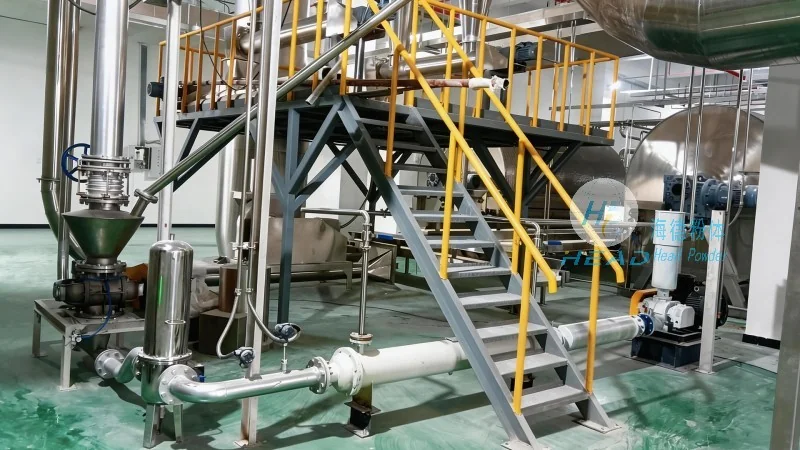
Key Components and Their Functions
Several key components make up an industrial salt pneumatic conveying system, each playing a crucial role in the overall operation. The hopper, or feed bin, is the primary storage and feeding device, where industrial salt is loaded and fed into the system. It is typically equipped with a rotary valve or feeder to control the flow rate of the salt, ensuring a consistent and controlled feed into the pipeline. The blower or compressor is the heart of the system, responsible for generating the compressed air or gas that propels the salt through the pipeline. These units are available in various types, including positive displacement blowers and centrifugal compressors, each with its own advantages in terms of pressure and flow capacity. The pipeline system consists of stainless steel or other corrosion-resistant materials to withstand the abrasive nature of industrial salt and prevent material buildup. The pipeline is usually arranged in a loop or straight line, depending on the layout of the facility, and includes fittings such as elbows, tees, and reducers to direct the flow of the air-salt mixture. The receiver or discharge point is where the industrial salt is deposited, often in a storage tank or processing unit. This component may include a cyclone separator to separate the salt from the air, a dust collection system to capture any fine particles, and a discharge valve to control the release of the material.
Advantages of Industrial Salt Pneumatic Conveying Systems
Industrial salt pneumatic conveying systems offer several advantages over traditional mechanical conveying methods. One of the primary benefits is the reduction in equipment wear and maintenance costs. Since there are no moving parts in direct contact with the salt, such as belts or chains, the system experiences less wear and tear, leading to lower maintenance requirements and longer equipment life. Additionally, these systems are more flexible in terms of layout, as they can be easily reconfigured to accommodate changes in the facility's layout or to transport materials over longer distances without the need for additional transfer points. The ability to transport materials in a closed system also helps to minimize dust emissions, improving workplace safety and environmental compliance. Furthermore, pneumatic conveying systems can handle a wide range of industrial salt types, including coarse and fine granules, and can be adapted to different conveying distances and flow rates, making them suitable for various industrial applications.
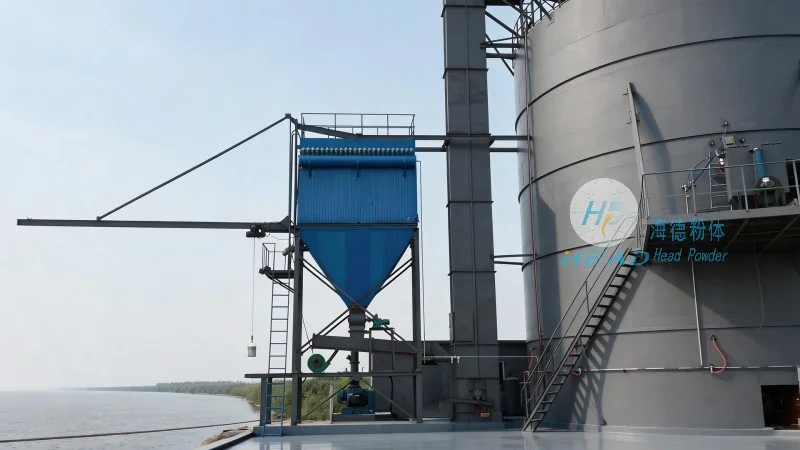
Applications and Industries
Industrial salt pneumatic conveying systems are widely used in various industries due to their versatility and efficiency. In the chemical industry, these systems are used to transport industrial salt as a raw material for the production of chemicals, such as sodium hydroxide or chlorine. In the food processing industry, they are used to handle salt used in food preservation and processing, ensuring a hygienic and efficient handling process. The mining industry also utilizes these systems to transport salt from mines to processing facilities, where it may be used as a de-icing agent or in the production of other industrial products. Additionally, these systems are used in the pharmaceutical and cosmetics industries for the transport of salt-based ingredients used in various products. The ability to handle different types of industrial salt and adapt to various applications makes these systems a valuable asset in many industrial settings.
Conclusion
In conclusion, industrial salt pneumatic conveying systems are essential equipment for the efficient and reliable transport of industrial salt in various industrial applications. The design principles, including appropriate air velocity, pressure drop management, and dust control, ensure that these systems operate effectively and safely. The key components, such as the hopper, blower, pipeline, and receiver, work together to provide a continuous and automated conveying process. The advantages of these systems, including reduced maintenance costs, flexibility, and improved safety, make them a preferred choice over traditional mechanical conveying methods. As industrial processes continue to evolve, the demand for efficient material handling solutions will likely increase, and industrial salt pneumatic conveying systems will remain a critical component in many industrial facilities. Shandong HeadPowder Engineering Co., Ltd., a leading manufacturer of such systems, provides high-quality equipment tailored to the specific needs of industrial applications, ensuring reliable and efficient material transport for its clients.