

What is a Calcium Sulfate Pneumatic Conveying Machine? And What Are Its Design Principles?
Calcium sulfate, commonly known as gypsum, is a widely used industrial material in various sectors such as construction, pharmaceuticals, and agriculture. The efficient and safe transportation of this material from production sites to processing or packaging facilities is crucial for maintaining operational efficiency and product quality. This article explores the concept of a calcium sulfate pneumatic conveying machine and delves into its underlying design principles, providing insights into how this technology facilitates the movement of calcium sulfate in industrial applications.
Understanding the Calcium Sulfate Pneumatic Conveying Machine
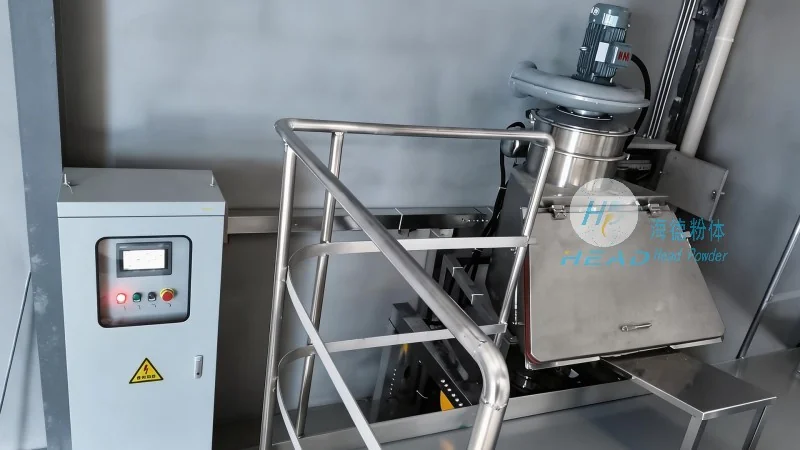
A calcium sulfate pneumatic conveying machine is a specialized system designed to transport calcium sulfate powder or granules through a pipeline using compressed air or other gas as the conveying medium. Unlike traditional mechanical conveyors that rely on belts, screws, or buckets, pneumatic conveying systems utilize the force of air to move material, offering advantages such as flexibility in layout, reduced risk of contamination, and the ability to handle fine powders without clogging. The system typically consists of several key components, including a feeding hopper, a rotary valve or feeder, a conveying line, a separation unit, and a dust collector. Each component plays a vital role in ensuring the smooth and efficient operation of the entire conveying process.
Design Principles of the Calcium Sulfate Pneumatic Conveying Machine
The design of a calcium sulfate pneumatic conveying machine is based on fundamental principles of fluid dynamics and material handling. The primary design principle is to create a consistent and controlled flow of material within the conveying line. This involves balancing the air velocity and pressure to ensure that the material is entrained and transported without excessive pressure drops or particle degradation. The system must also consider the properties of calcium sulfate, such as its particle size, density, and flowability, as these factors influence the selection of appropriate equipment and operational parameters.
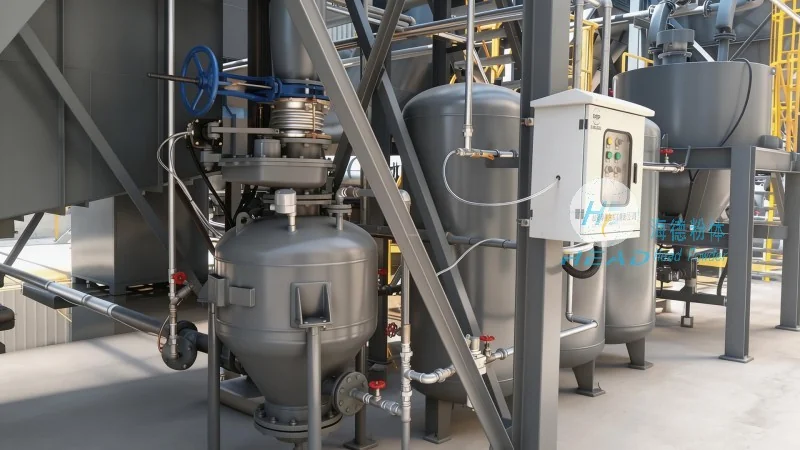
One critical aspect of the design is the selection of the conveying method. There are two main types of pneumatic conveying systems: dilute-phase and dense-phase. Dilute-phase systems operate at higher air velocities, typically moving material in a suspension of fine particles, while dense-phase systems use lower air velocities to transport material in a more compact form. For calcium sulfate, which is often a fine powder, a dilute-phase system is commonly preferred as it allows for efficient and low-cost transportation over long distances. The design must also account for the potential for material buildup or blockages in the pipeline, which can be mitigated through the use of appropriate air flow rates, pipeline diameters, and the incorporation of cleaning mechanisms.
Key Components and Their Functions
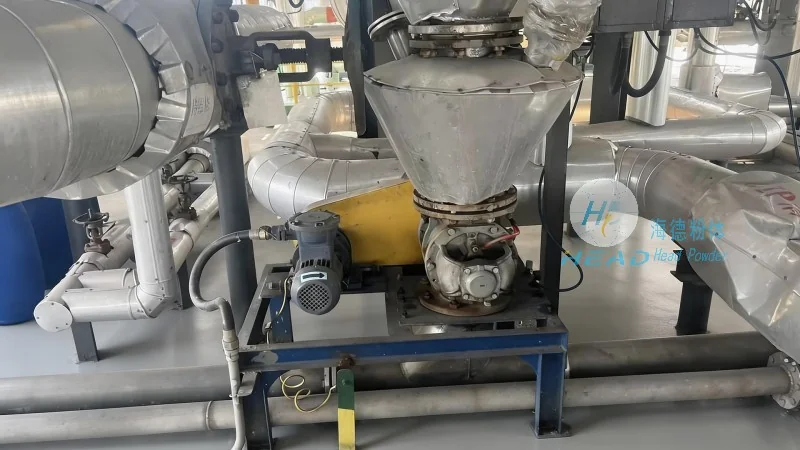
The calcium sulfate pneumatic conveying machine comprises several essential components, each contributing to the overall functionality of the system. The feeding hopper is the initial component where calcium sulfate is stored and prepared for transport. It is designed to maintain a consistent material level and prevent spillage. The rotary valve or feeder, often referred to as a star valve, is responsible for controlling the flow rate of the material into the conveying line. This component ensures that the material is fed at a steady rate, preventing overloading or underloading of the system. The conveying line itself is typically made of materials such as stainless steel or plastic, chosen for their resistance to corrosion and wear from the calcium sulfate particles.
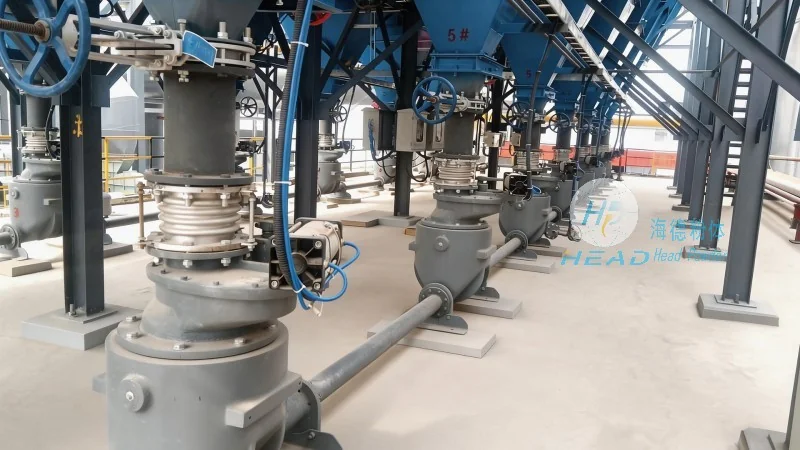
The separation unit, also known as a cyclone separator or bag filter, is a crucial component for removing the conveying medium (air) from the material. This unit uses centrifugal force to separate the particles from the air stream, allowing the air to be recycled or vented while the calcium sulfate is collected in a collection bin. The design of the separation unit must be optimized to achieve high efficiency in particle recovery, minimizing material loss and ensuring compliance with environmental regulations. Additionally, a dust collector may be integrated to capture any fine particles that escape the separation unit, further improving air quality and reducing the risk of dust-related issues.
Operational Considerations and Maintenance
Proper operation and maintenance of the calcium sulfate pneumatic conveying machine are essential for ensuring long-term performance and reliability. The system must be operated within the specified air pressure and flow rate ranges to prevent damage to components and ensure efficient material transport. Regular maintenance activities include cleaning the conveying line, inspecting the rotary valve and feeder for wear, and checking the separation unit for clogs or blockages. It is also important to monitor the pressure drop across the system, as an increase in pressure drop may indicate a buildup of material in the pipeline or a need for cleaning. By adhering to proper operational procedures and maintenance schedules, the system can maintain its efficiency and minimize downtime.
Applications and Benefits
The calcium sulfate pneumatic conveying machine is widely used in various industrial applications involving calcium sulfate processing. In the construction industry, it is used to transport gypsum for wallboard production, while in the pharmaceutical industry, it is employed to move calcium sulfate for use in drug formulations. The system offers several benefits over traditional conveying methods, including reduced labor costs, improved safety by eliminating manual handling of powders, and the ability to handle materials in a clean and hygienic environment. Additionally, the flexibility of pneumatic conveying allows for easy integration into existing production lines and the ability to transport materials over long distances without the need for complex infrastructure.
Conclusion
In conclusion, the calcium sulfate pneumatic conveying machine is a sophisticated system designed to efficiently and safely transport calcium sulfate powder or granules in industrial settings. Its design is based on fundamental principles of fluid dynamics and material handling, incorporating key components such as feeding hoppers, rotary valves, conveying lines, separation units, and dust collectors. The system offers numerous benefits, including improved operational efficiency, reduced labor costs, and enhanced safety. By understanding the design principles and operational considerations of this equipment, industrial facilities can optimize their material handling processes and ensure the consistent and reliable transport of calcium sulfate. As a leading provider in this field, Shandong HeadPowder Engineering Co., Ltd. specializes in the design, manufacturing, and installation of high-quality calcium sulfate pneumatic conveying machines, serving clients in China and beyond with reliable and efficient solutions for their material handling needs.