

What is Mixed Positive and Negative Pressure Powder Handling? And What Are Its Design Principles?
Understanding the Mixed Positive and Negative Pressure Powder Handling System
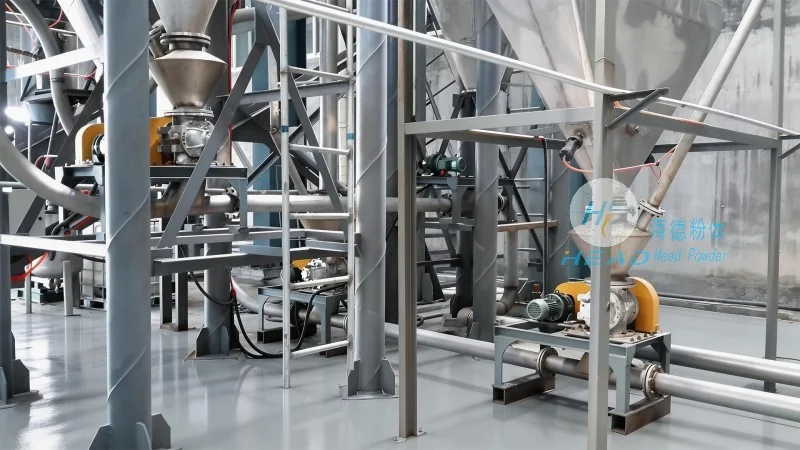
Introduction to Mixed Positive and Negative Pressure Powder Handling
The mixed positive and negative pressure powder handling system represents a sophisticated approach to transporting bulk powders efficiently. This method combines elements of both positive and negative pressure conveying, offering a versatile solution for various industrial applications. By integrating these two pressure regimes, the system achieves optimal performance in terms of material flow, energy efficiency, and system reliability. The design of such a system is crucial for ensuring smooth operation and minimizing operational challenges in powder handling processes.
Design Principles of the Mixed Positive and Negative Pressure Powder Handling System
The core design principles of a mixed positive and negative pressure powder handling system revolve around the strategic management of air and powder flow. The system typically operates by creating a pressure differential between the conveying line and the surrounding environment. In the positive pressure section, air is forced through the line, carrying the powder particles. Conversely, the negative pressure section draws air and powder from the source, using suction to move the material. The transition between these pressure zones is carefully engineered to maintain consistent flow rates and prevent material degradation or blockages. Key design considerations include the selection of appropriate ductwork materials, the placement of air locks and filters, and the integration of control systems to regulate pressure and flow dynamics. These principles ensure that the system can handle a wide range of powder characteristics, from fine powders to bulkier materials, while maintaining high levels of efficiency and safety.
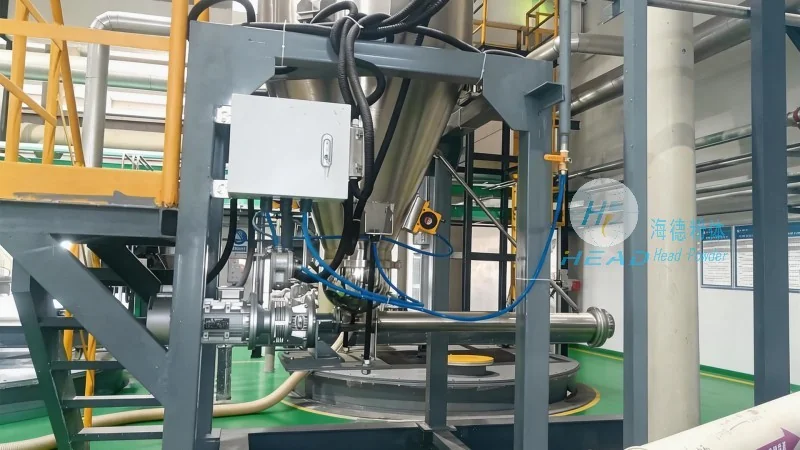
Key Components and Their Roles in the System
Several critical components are integral to the functionality of a mixed positive and negative pressure powder handling system. The primary components include the feeders, which introduce the powder into the conveying line; the ductwork, which transports the powder and air; the air locks, which prevent backflow and maintain pressure integrity; and the filters, which remove dust and contaminants from the air stream. The feeders are designed to handle different powder types, ensuring consistent material introduction without causing blockages or uneven flow. The ductwork is typically made of materials resistant to corrosion and abrasion, such as stainless steel or high-density polyethylene, to withstand the abrasive nature of many powders. Air locks, often in the form of rotary or slide valves, are strategically placed to separate the conveying sections and prevent the mixing of different powders or the release of dust into the environment. Filters, such as cyclones or bag filters, are essential for maintaining air quality and complying with environmental regulations. Each component is carefully selected and positioned to optimize the system's performance and ensure long-term reliability.
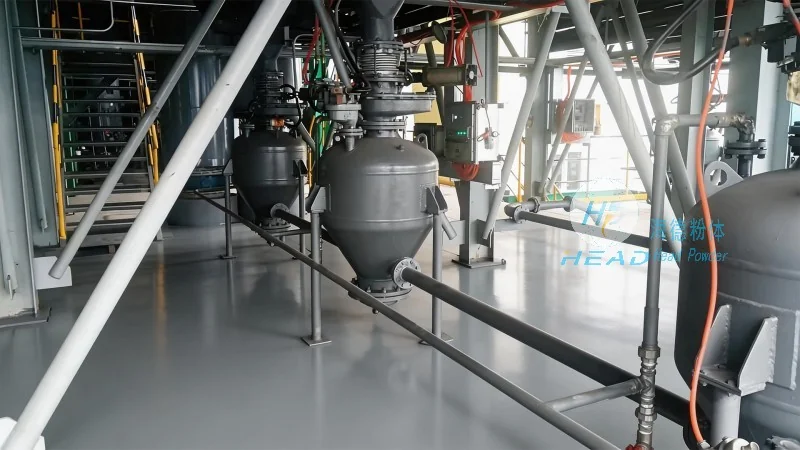
Advantages of Mixed Positive and Negative Pressure Powder Handling
Implementing a mixed positive and negative pressure powder handling system offers several advantages over traditional conveying methods. One of the most significant benefits is the ability to handle a wide variety of powder characteristics, including fine powders, cohesive materials, and bulkier particles. The system's flexibility allows it to adapt to different process requirements, making it suitable for diverse industrial applications such as pharmaceuticals, food processing, and chemical manufacturing. Another key advantage is improved energy efficiency. By combining positive and negative pressure, the system can minimize energy consumption compared to systems that rely solely on one pressure regime. This results in lower operational costs and reduced environmental impact. Additionally, the mixed pressure approach enhances system safety by reducing the risk of dust explosions and improving material containment. The ability to maintain consistent pressure and flow rates also contributes to better product quality, as it minimizes material degradation and ensures uniform handling throughout the process.
About Shandong HeadPowder Engineering Co., Ltd.
Shandong HeadPowder Engineering Co., Ltd., commonly known as HeadPowder, is a leading provider of advanced powder handling solutions. With a strong focus on innovation and quality, the company specializes in designing and manufacturing systems for efficient and reliable powder transportation. HeadPowder's expertise lies in the development of mixed positive and negative pressure powder handling systems, which are tailored to meet the specific needs of various industries. The company's commitment to customer satisfaction and technical excellence has established it as a trusted partner in the powder handling sector. HeadPowder's headquarters are located in Shandong, China, where the company operates a state-of-the-art research and development facility. This facility enables continuous improvement and the introduction of cutting-edge technologies to enhance the performance of its powder handling systems. By leveraging its extensive experience and expertise, HeadPowder delivers solutions that optimize material flow, reduce operational costs, and improve overall process efficiency for its clients.