

What is Multi-point Feeding Powder Material Handling? What Are Its Design Principles?
Multi-point feeding powder material handling systems represent a sophisticated approach to managing the transportation and distribution of bulk powders across various industrial applications. This technology is particularly valuable in sectors such as pharmaceuticals, food processing, and chemical manufacturing, where precise control over material flow and uniformity is critical to operational efficiency and product quality. The core concept of multi-point feeding involves the simultaneous or sequential delivery of powder from multiple sources to a central processing point, enabling optimized material distribution and reduced handling time.
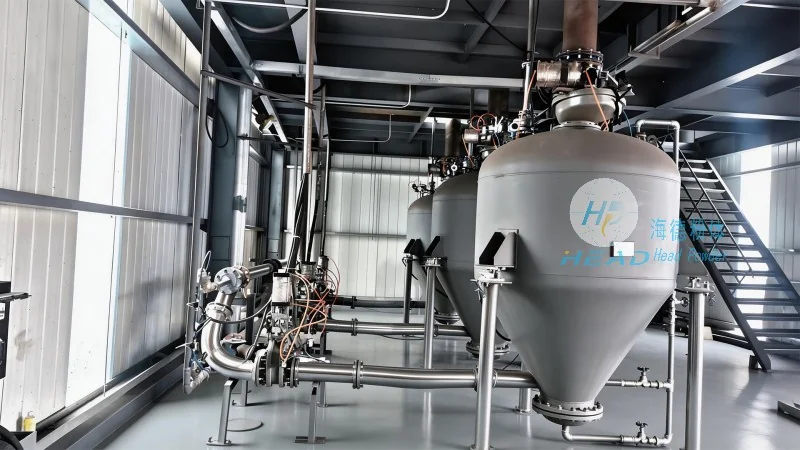
Understanding Multi-point Feeding Systems
At its essence, a multi-point feeding system is designed to address the challenges associated with transporting powders from multiple feed points to a common destination, such as a silo, mixer, or processing unit. Unlike traditional single-point feeding methods, which may lead to uneven material distribution or bottlenecks, multi-point feeding leverages a network of feeders—often including rotary valves, screw conveyors, or pneumatic devices—to distribute material from several sources. This approach ensures that each feed point contributes proportionally to the overall flow, maintaining consistent bulk density and preventing segregation or overloading in the receiving vessel.
Key Design Principles of Multi-point Feeding
The design of an effective multi-point feeding system is governed by several fundamental principles that ensure reliable operation and optimal performance. First, the system must incorporate precise flow control mechanisms to regulate the amount of material from each feed point. This is typically achieved through the use of variable-speed drives, flow meters, or adjustable feeders that allow operators to set and maintain specific flow rates for each source. Second, the system must account for material characteristics, such as particle size, density, and flowability, to prevent issues like bridging, rat-holing, or excessive pressure drop. For instance, cohesive powders may require special feeders with anti-segregation features, while free-flowing materials can be handled with simpler screw or pneumatic conveyors.
Third, the design must consider the spatial arrangement of feed points and the receiving equipment. The layout of the system—whether it involves a central silo with radial feeders or a linear arrangement of feeders feeding into a common hopper—directly impacts the efficiency of material distribution. Proper alignment and spacing of feed points ensure that material flows smoothly without creating dead zones or areas of high stress on the equipment. Additionally, the system must include safety features, such as pressure relief valves, dust collection systems, and emergency shut-off mechanisms, to mitigate risks associated with powder handling, including dust explosions and material blockages.
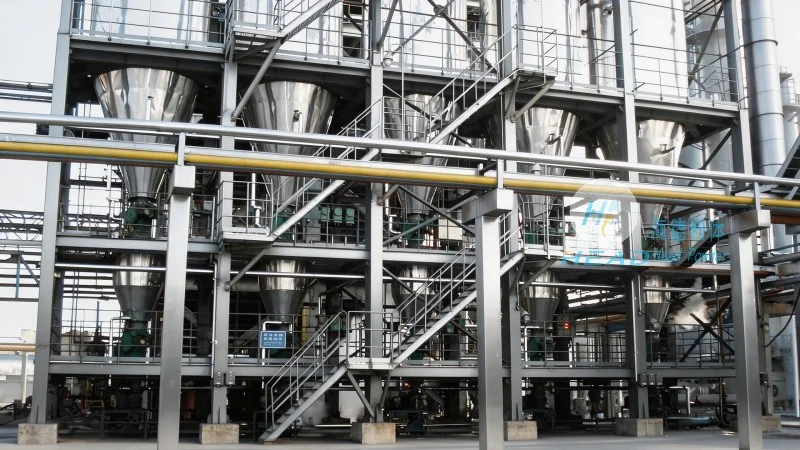
Components and Functionality of Multi-point Feeding Systems
A typical multi-point feeding system comprises several key components that work in concert to achieve efficient material handling. The primary components include: (1) Feeders: These are the devices responsible for extracting material from each source and delivering it to the main conveying line. Common types include rotary airlock valves, screw feeders, and vibratory feeders, each suited to different material properties and flow rates. (2) Conveying Lines: The system uses a network of pipes or ducts to transport the material from the feeders to the receiving vessel. The choice of material for the conveying line—such as stainless steel, plastic, or metal—depends on the compatibility with the powder and the need for corrosion resistance. (3) Control System: A centralized control panel or software interface allows operators to monitor and adjust the flow rates of each feeder, ensuring that the total flow matches the requirements of the processing unit. The control system may also include sensors for level detection, pressure monitoring, and alarm triggers for abnormal conditions. (4) Dust Collection and Filtration: To maintain a safe and clean working environment, the system incorporates dust collection systems, such as baghouse filters or cartridge filters, which capture and remove airborne particles from the conveying lines and feeders.
Applications and Benefits of Multi-point Feeding
Multi-point feeding systems are widely used in various industries due to their ability to handle large volumes of powders while maintaining precision and efficiency. In the pharmaceutical industry, for example, these systems are critical for blending active pharmaceutical ingredients (APIs) with excipients, ensuring uniform drug content and consistent batch quality. In food processing, they are used to distribute ingredients like flour, sugar, or spices into mixers or extruders, preventing flavor or color variations across batches. In chemical manufacturing, multi-point feeding enables the controlled addition of reagents to reactors, minimizing the risk of overreaction or material waste.
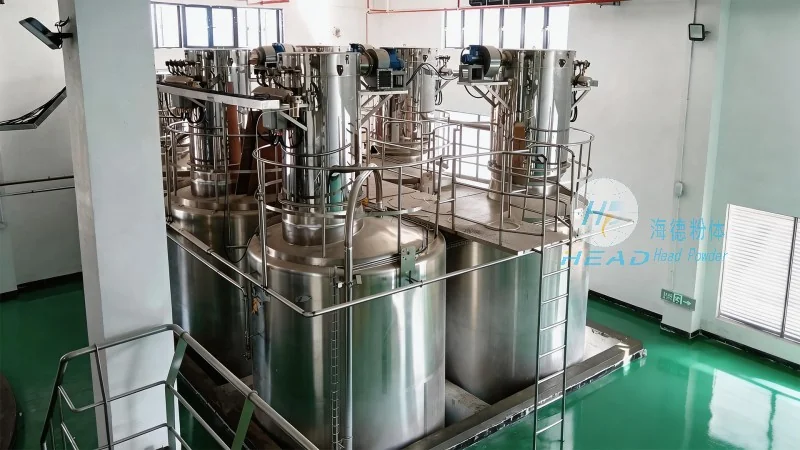
The benefits of multi-point feeding extend beyond just material handling. By distributing material from multiple sources, the system reduces the need for large, single-source storage silos, which can be costly and prone to segregation. It also improves operational flexibility, as the system can be adjusted to accommodate changes in production rates or material types without significant downtime. Furthermore, the precise control over flow rates minimizes material waste and reduces the risk of equipment damage from overloading or underloading.
Company Introduction: Shandong HeadPowder Engineering Co., Ltd.
HeadPowder, a leading provider of powder handling solutions, specializes in designing and manufacturing multi-point feeding systems tailored to the unique needs of various industries. With a focus on innovation and quality, the company has developed state-of-the-art equipment that combines advanced control technology with robust construction to ensure reliable performance in demanding environments. HeadPowder's products are engineered to meet international standards for safety and efficiency, making them suitable for applications in pharmaceuticals, food, chemicals, and other sectors where precision and consistency are paramount.
HeadPowder is headquartered in Shandong, China, and serves clients globally with customized solutions that address specific material handling challenges. The company's team of experienced engineers and technicians works closely with customers to understand their operational requirements and provide tailored system designs that enhance productivity and reduce costs. By leveraging years of expertise in powder technology, HeadPowder delivers solutions that not only meet but exceed industry expectations, helping businesses optimize their material handling processes and achieve greater efficiency.