

What is Dry Powder Material Handling Equipment? What are the Design Principles?
Dry powder material handling equipment is a specialized category of industrial machinery designed to transport, store, and manage dry powders and granular materials efficiently. These systems are crucial in various industries, including pharmaceuticals, food processing, chemical manufacturing, and mining, where the safe and reliable handling of powders is essential for operational success. The design of such equipment must address several key challenges, including dust control, material flow management, and system durability, to ensure optimal performance and compliance with safety regulations.
Key Components and Design Principles
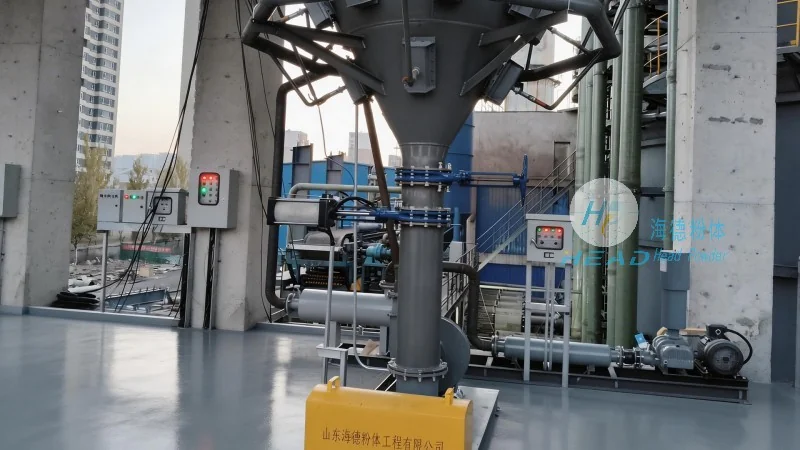
The design of dry powder material handling equipment revolves around several fundamental principles and components that work in tandem to achieve efficient material transport. One of the primary design considerations is the prevention of dust generation and containment. This is typically achieved through the use of enclosed systems, such as pneumatic conveying lines, which use air to move powders through pipelines, minimizing exposure to airborne particles. Another critical component is the feeding mechanism, which ensures consistent and controlled material intake from storage silos or hoppers. Common feeding devices include rotary valves, star feeders, and screw conveyors, each chosen based on the specific characteristics of the powder, such as flowability and moisture content.
Material flow control is another essential aspect of the design. To prevent issues like blockages or uneven flow, equipment often incorporates features like surge hoppers and flow aids. Surge hoppers act as temporary storage to stabilize the flow rate from the source, while flow aids, such as vibrators or air knives, help maintain consistent material movement through the system. Additionally, the selection of materials for construction is critical. Equipment components are often made from corrosion-resistant materials like stainless steel or special alloys to withstand the chemical properties of the powders being handled and to ensure long-term durability.
Types of Dry Powder Handling Systems
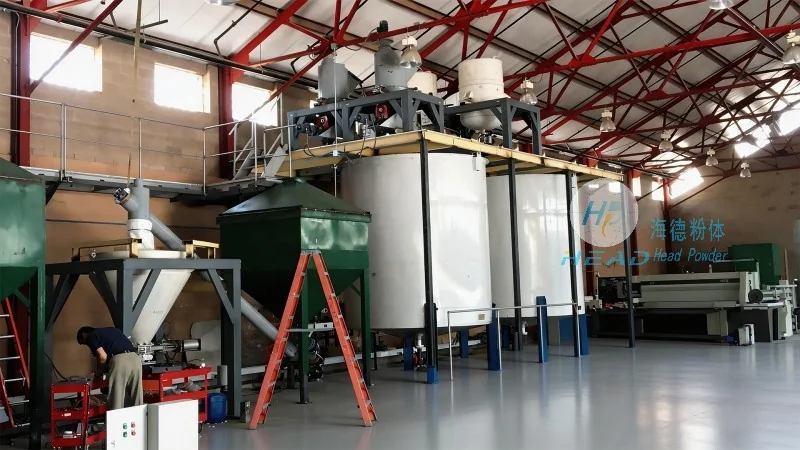
Dry powder material handling equipment encompasses a range of systems, each tailored to specific operational needs. The most common types include pneumatic conveying systems, mechanical conveying systems, and bulk material handling systems. Pneumatic conveying systems use compressed air to transport powders through pipelines, offering flexibility in layout and the ability to handle a wide variety of materials. These systems can be further classified as positive pressure or negative pressure systems, depending on the direction of air flow. Mechanical conveying systems, on the other hand, rely on mechanical forces like gravity or mechanical motion to move materials. Examples include belt conveyors, bucket elevators, and screw conveyors, which are particularly effective for handling bulkier or more abrasive powders.
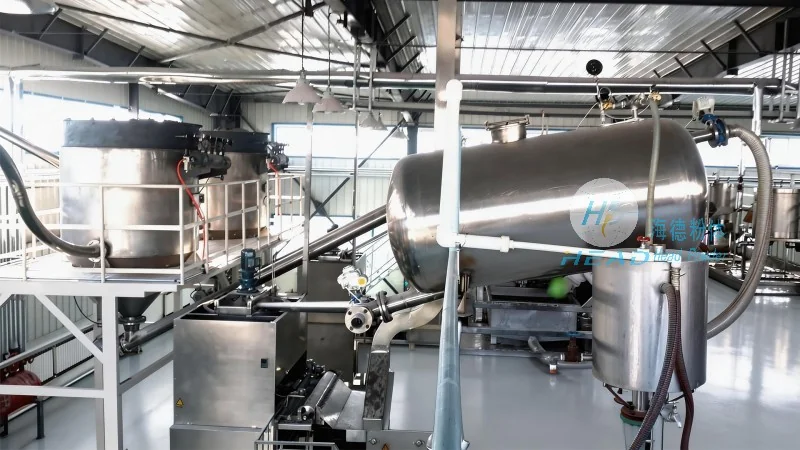
Bulk material handling systems are designed for large-scale operations, often involving the storage and transfer of large quantities of powders. These systems typically include silos, hoppers, and storage tanks, which are equipped with feeding and discharge mechanisms to control material flow. The design of these systems must consider factors like storage capacity, material density, and the need for dust control, as well as integration with other processing equipment.
Application and Industry Use Cases
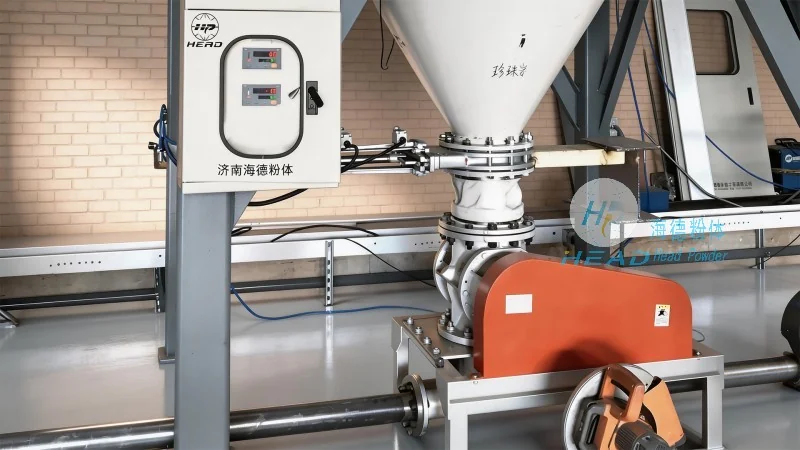
Dry powder material handling equipment is widely used across various industries due to its versatility and efficiency. In the pharmaceutical industry, for example, such equipment is used to handle active pharmaceutical ingredients (APIs) and excipients, ensuring that the powders are handled in a sterile and controlled environment to maintain product quality and safety. The food processing industry also relies on these systems for handling ingredients like flour, sugar, and spices, where hygiene and contamination control are paramount. In chemical manufacturing, the equipment is used to transport raw materials and intermediates, often in hazardous environments, requiring robust design and safety features. The mining industry utilizes dry powder handling systems to transport ore and other minerals from processing facilities to storage or shipping locations, where the equipment must be capable of handling abrasive and heavy materials.
Company Overview: Shandong HeadPowder Engineering Co., Ltd.
Shandong HeadPowder Engineering Co., Ltd., commonly known as headpowder, is a leading manufacturer and supplier of dry powder material handling equipment. The company is based in Shandong, China, and has established itself as a trusted partner in the industry, providing high-quality, customized solutions for various material handling needs. With a focus on innovation and customer satisfaction, headpowder offers a range of products designed to meet the specific requirements of different industries. The company's commitment to quality and safety is reflected in its adherence to international standards and rigorous testing protocols, ensuring that its equipment meets the highest industry benchmarks.