

Stearic Acid Sodium Powder Pneumatic Conveying: What It Is and Its Design Principles
Stearic acid sodium, also known as sodium stearate, is a widely used chemical compound in various industrial applications. When it comes to handling this powder in industrial settings, pneumatic conveying systems offer an efficient and effective solution. This article explores the concept of stearic acid sodium powder pneumatic conveying and delves into the fundamental design principles that underpin such systems.
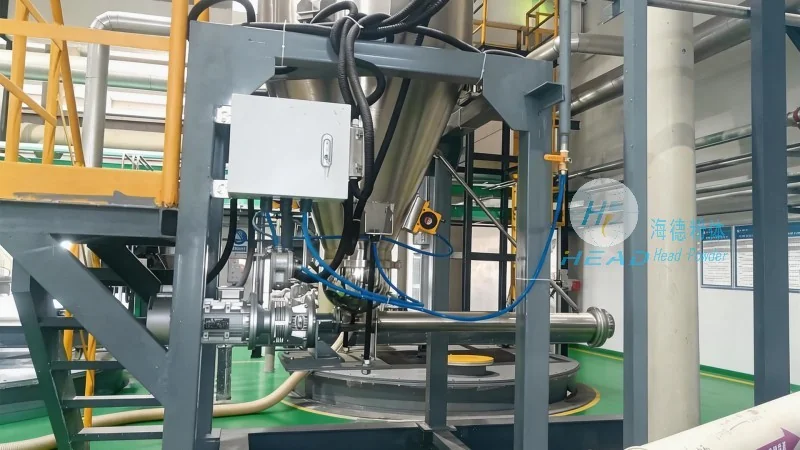
Understanding Stearic Acid Sodium Powder Pneumatic Conveying
Pneumatic conveying, or air-assisted transport, is a method of transporting bulk materials, such as powders and granules, through a pipeline using a stream of air. In the case of stearic acid sodium powder, this technique is particularly valuable due to the material's characteristics, including its fine particle size and potential for static electricity. The process involves creating a pressure differential within the pipeline, either by using a positive pressure system (where air is blown into the line) or a negative pressure system (where air is drawn out). The air stream carries the powder particles through the pipeline to the destination point, such as a storage silo, processing unit, or packaging area.
The Role of Stearic Acid Sodium in Industrial Applications
Stearic acid sodium is commonly used as a surfactant, lubricant, and stabilizer in industries like cosmetics, pharmaceuticals, and food processing. Its unique properties, including good solubility in water and its ability to reduce surface tension, make it an essential component in many formulations. However, the handling of this powder can present challenges, such as dust generation, caking, and the risk of static discharge. Pneumatic conveying provides a solution by minimizing direct contact with the material and controlling the flow environment, thereby enhancing safety and operational efficiency.
Key Design Principles for Stearic Acid Sodium Powder Pneumatic Conveying Systems
The design of a pneumatic conveying system for stearic acid sodium powder requires careful consideration of several critical factors to ensure optimal performance and reliability. These principles include:
1. **System Type Selection**: The choice between positive and negative pressure systems depends on the specific application requirements, material properties, and the distance and layout of the conveying line. Positive pressure systems are often preferred for long-distance or complex layouts, as they can maintain consistent air pressure and prevent material backflow. Negative pressure systems, on the other hand, are suitable for short-distance conveying and can help minimize dust emissions at the source.
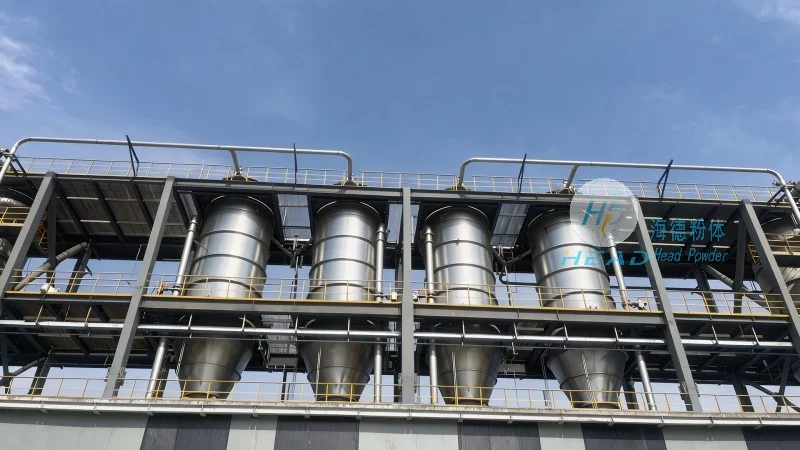
2. **Air Flow Rate and Velocity**: The air flow rate and velocity within the pipeline are crucial for maintaining the powder in suspension and preventing particle deposition or clogging. The velocity must be high enough to keep the particles airborne but not so high as to cause excessive wear on the pipeline or equipment. For stearic acid sodium powder, typical air velocities range from 20 to 30 meters per second, depending on the particle size and density.
3. **Pipeline Sizing and Material**: The diameter and material of the conveying pipeline are critical for system efficiency and longevity. Larger diameter pipelines reduce pressure drop and energy consumption but increase cost and space requirements. The material must be resistant to corrosion and wear, as stearic acid sodium can be abrasive and may contain moisture that could cause rust or degradation over time. Common materials include stainless steel, polyethylene, and PVC.
4. **Inlet and Outlet Design**: Proper design of the inlet and outlet components is essential to ensure smooth material flow and prevent blockages or air leakage. The inlet, where the powder is introduced into the pipeline, should be designed to minimize turbulence and particle separation. The outlet, where the powder is discharged, should be equipped with a suitable valve or hopper to control the flow and prevent material spillage.
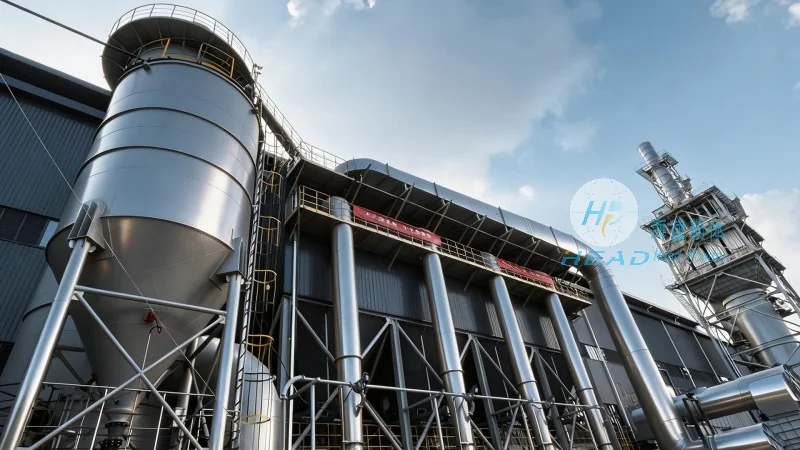
5. **Dust Control and Filtration**: Given the fine nature of stearic acid sodium powder, effective dust control measures are necessary to maintain a clean and safe working environment. This includes installing dust collectors and filters at strategic points in the system, such as the inlet and outlet. The filters should be capable of capturing particles as small as 1-5 microns to prevent air pollution and protect downstream equipment.
Benefits of Implementing Stearic Acid Sodium Powder Pneumatic Conveying
Adopting a pneumatic conveying system for stearic acid sodium powder offers several advantages over traditional methods like bucket elevators or belt conveyors. These benefits include:
1. **Improved Safety**: Pneumatic conveying reduces the risk of dust explosions and inhalation hazards by containing the material within a sealed system. The absence of moving parts at the material handling points also minimizes the risk of mechanical injury.
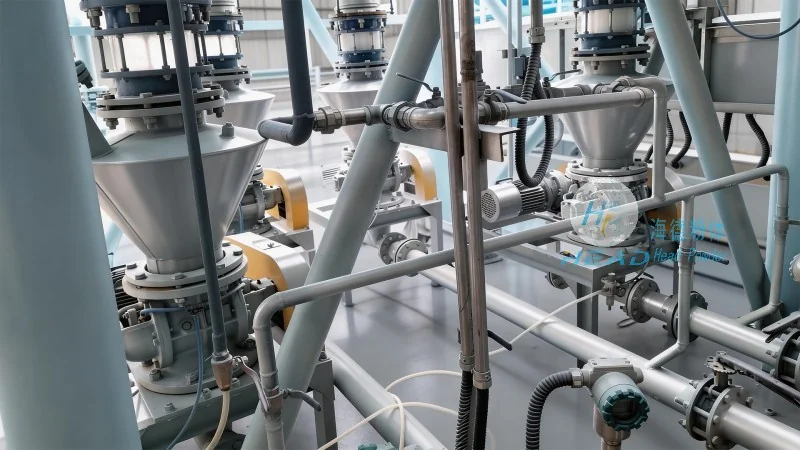
2. **Enhanced Efficiency**: The system allows for continuous, automated material transport, reducing labor costs and increasing production throughput. The ability to handle fine powders without clogging or bridging improves overall operational efficiency.
3. **Space Savings**: Unlike traditional conveyors, pneumatic systems can be installed in a compact footprint, making them ideal for facilities with limited space or complex layouts.
4. **Flexibility and Versatility**: Pneumatic conveying systems can be easily reconfigured or expanded to accommodate changes in production volume or material types. They can also be integrated with other processing equipment, such as mixers or reactors, to create a seamless material handling workflow.
Conclusion
Stearic acid sodium powder pneumatic conveying is a sophisticated and efficient method for handling this essential chemical compound in industrial settings. By understanding the design principles and benefits of such systems, companies can optimize their material handling processes, enhance safety, and improve overall operational performance. As a leading provider in this field, Shandong HeadPowder Engineering Co., Ltd., based in Shandong, China, specializes in designing and implementing customized pneumatic conveying solutions tailored to the specific needs of their clients. With a focus on quality, reliability, and innovation, HeadPowder continues to deliver cutting-edge solutions that meet the evolving demands of the industry.