

Working Principle and Features of Coal Ash Powder Conveying System Equipment
The coal ash powder conveying system equipment, as a specialized solution for handling coal ash, is designed and manufactured by Shandong HeadPowder Engineering Co., Ltd., a leading company based in China. This equipment is engineered to efficiently transport coal ash from its source to various destinations, ensuring safe and reliable operation in industrial settings. The system is tailored to meet the demands of modern industrial applications, providing a robust and efficient method for managing coal ash, a byproduct of coal combustion that often requires specialized handling due to its fine particle size and potential environmental impact.
Working Principle of the Coal Ash Powder Conveying System
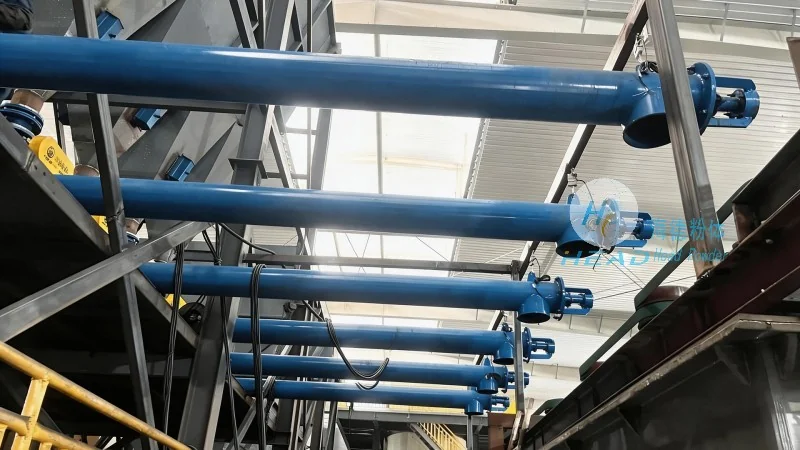
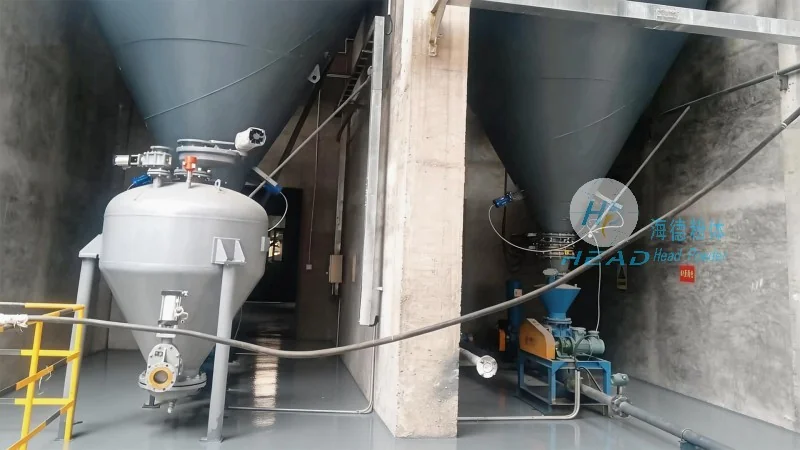
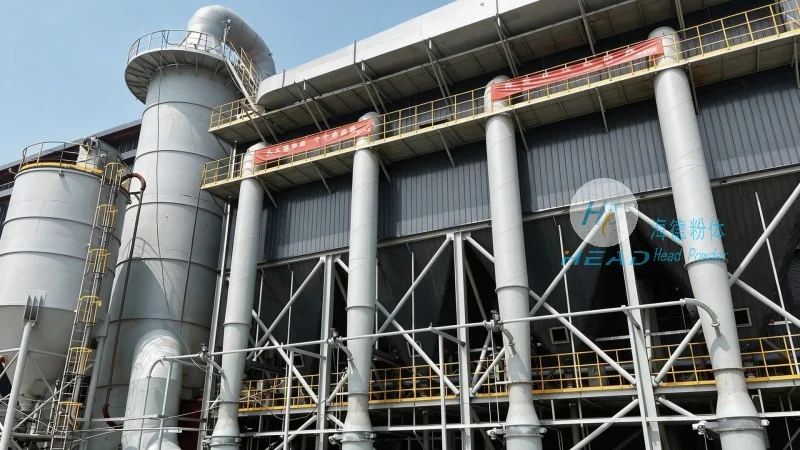
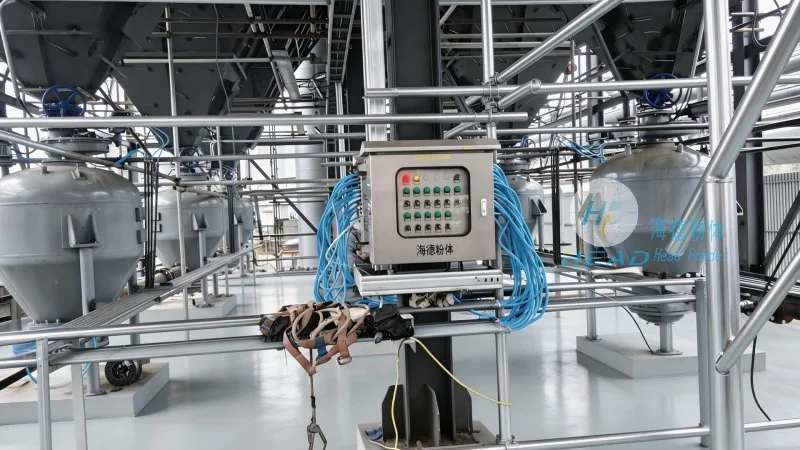
The working principle of the coal ash powder conveying system equipment is centered on a series of integrated components that work in tandem to achieve effective material transport. At its core, the system typically includes a hopper for material storage, a feeding mechanism to control the flow of coal ash, and a conveyor system (such as pneumatic or mechanical conveyors) that propels the powder through the pipeline. The hopper ensures a consistent supply of coal ash, while the feeding device regulates the quantity and speed of material discharge. The conveyor system, often utilizing air pressure or mechanical force, moves the coal ash through the pipeline to the desired location. Additionally, the system may incorporate dust collection and filtration components to maintain air quality and prevent environmental contamination. This integrated approach allows for a seamless and efficient process from material intake to delivery, minimizing the risk of material loss or spillage and ensuring compliance with environmental regulations. The system's design also considers the physical properties of coal ash, such as its fine particle size and potential for static electricity, by incorporating anti-static measures and appropriate material handling techniques to prevent material buildup and ensure smooth operation. Furthermore, the system may include sensors and monitoring devices to track the flow rate and pressure within the pipeline, providing real-time data for operational adjustments and maintenance planning.