

Working Principle and Features of Boron Powder Material Conveying Lines
For industrial applications that require the efficient and safe handling of boron powder, specialized material conveying lines are essential. These systems are designed to transport boron powder from storage or processing areas to various points of use within a facility. The working principle and key features of such boron powder material conveying lines are crucial for understanding their operational effectiveness and suitability for different industrial needs.
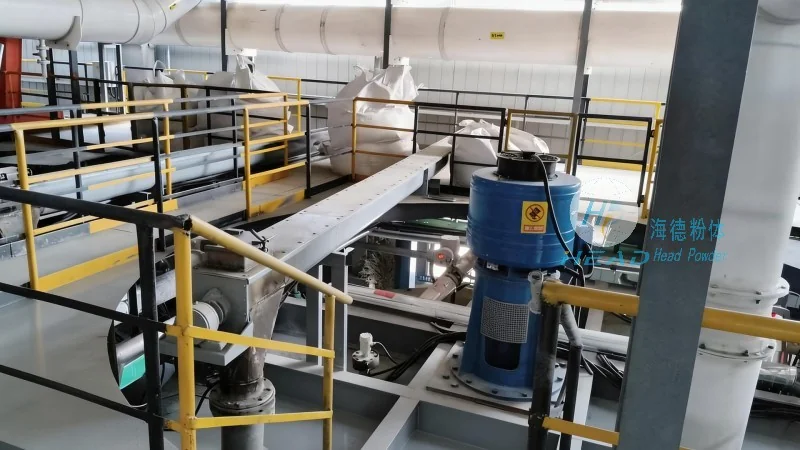
Overview of Boron Powder Material Conveying Systems
Boron powder material conveying lines typically consist of a combination of equipment tailored to the unique properties of boron powder. These systems may include components such as hoppers for material storage, feeders to control the flow rate, conveying mechanisms (like screw conveyors or pneumatic systems), and discharge units to deliver the powder to its destination. The design of these systems is optimized to handle the fine, abrasive nature of boron powder while minimizing dust generation and ensuring consistent material flow.
Working Principle of Boron Powder Material Conveying Lines
The core working principle of boron powder material conveying lines revolves around the controlled movement of the powder from the source to the destination. In most cases, the process begins with the material being fed from a storage hopper into a feeder device. The feeder regulates the flow rate, ensuring a steady and uniform supply of boron powder to the conveying mechanism. For systems utilizing screw conveyors, the powder is moved along a rotating screw within a tube, which propels the material forward under the influence of gravity and the screw's rotation. In pneumatic conveying systems, the boron powder is suspended in a stream of air or gas and transported through pipelines. The pressure differential created by the system drives the material along the pipeline network, allowing for horizontal, vertical, or even complex path transportation. The discharge unit at the end of the line then delivers the boron powder to the intended application point, such as a mixing tank, processing machine, or packaging station.
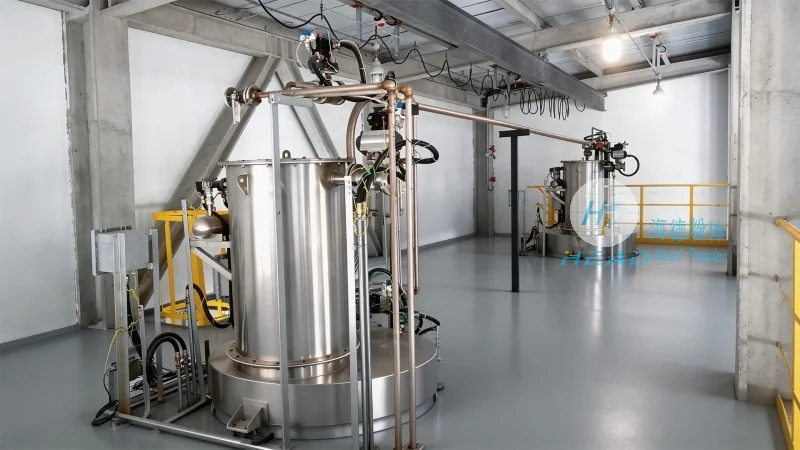
Key Features of Boron Powder Material Conveying Lines
Several key features distinguish effective boron powder material conveying lines, making them suitable for demanding industrial environments. Firstly, these systems are engineered for high efficiency, ensuring minimal downtime and maximum throughput. The use of specialized components, such as wear-resistant materials for hoppers and conveyors, helps to extend the lifespan of the equipment and reduce maintenance costs. Secondly, safety is a paramount consideration, as boron powder can be hazardous if not handled properly. Conveying lines often incorporate dust suppression mechanisms, such as sealed enclosures and filtration systems, to prevent airborne contamination and protect personnel. Thirdly, adaptability is a critical feature, as boron powder applications vary widely across industries. Conveying systems can be customized to accommodate different powder types, flow rates, and operational requirements, making them versatile for various processes. Additionally, the systems are designed for easy integration into existing production lines, allowing for seamless incorporation without disrupting current operations.
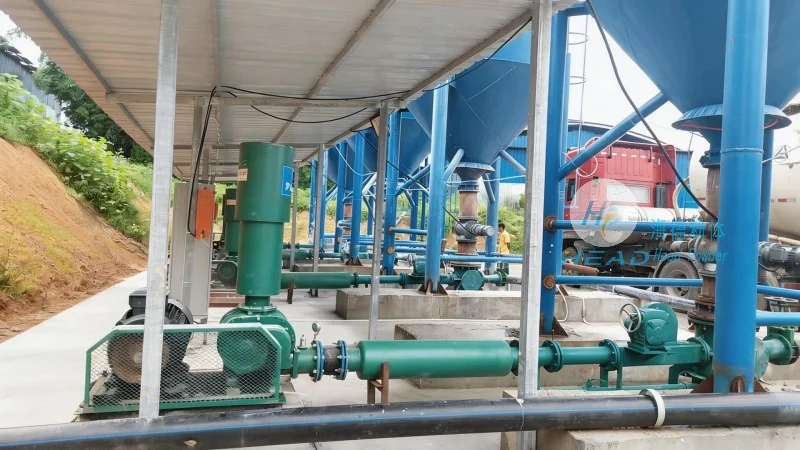
Applications and Benefits in Industrial Settings
Boron powder material conveying lines are widely used in industries that rely on boron compounds, including chemical manufacturing, metallurgy, and pharmaceuticals. In chemical plants, these systems facilitate the transport of boron powder to reactors and mixing units, ensuring consistent feed rates for chemical reactions. In metallurgical applications, the conveying lines deliver boron powder to furnaces and alloying processes, where it is used to enhance the properties of metals. The benefits of using such specialized conveying systems extend beyond efficiency and safety; they also contribute to improved product quality by maintaining the purity and consistency of the boron powder throughout the handling process. By minimizing contamination and ensuring uniform flow, these systems help to produce high-quality boron-based products that meet stringent industry standards.
Conclusion
In summary, boron powder material conveying lines operate on a principle of controlled, efficient material movement, utilizing specialized equipment to handle the unique characteristics of boron powder. Their key features, including high efficiency, safety measures, adaptability, and ease of integration, make them indispensable in modern industrial operations. For companies like Shandong HeadPowder Engineering Co., Ltd., based in China, these systems represent a critical component of their engineering solutions, providing reliable and effective material handling for boron powder applications across various industries.