

Principles and Application Scenarios of Pneumatic Conveying for Fine Materials
Pneumatic conveying technology has become an indispensable part of modern material handling, especially for industries that deal with fine powders and granular substances. This method involves the use of air or gas to transport materials through a pipeline network, offering a range of benefits including dust containment, flexible system layout, and the ability to handle materials that are otherwise challenging to move. For businesses focused on processing small particles, grasping the underlying principles of pneumatic conveying and its practical applications is essential for enhancing operational efficiency and ensuring smooth workflow.
The Fundamental Principles of Pneumatic Conveying
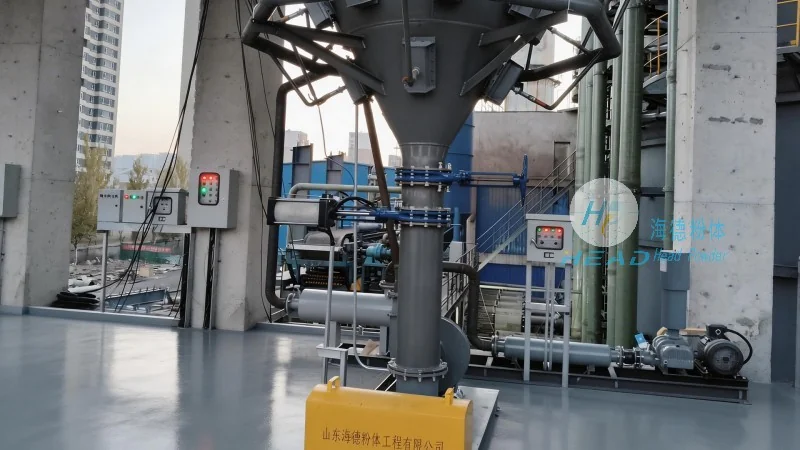
The foundational concept of pneumatic conveying revolves around creating a pressure differential within the conveying system. A fan or blower generates this pressure difference, which propels the material forward as it mixes with the conveying air. Two primary operational modes exist: dilute-phase and dense-phase. Dilute-phase systems operate at higher air velocities, suspending particles in the air stream for efficient transport. In contrast, dense-phase systems use lower air velocities to push material in a plug flow, which is particularly beneficial for sensitive or abrasive materials that require gentler handling. The choice between these modes depends on factors such as material properties, system length, and the desired flow rate.
Key Working Scenarios and Characteristics
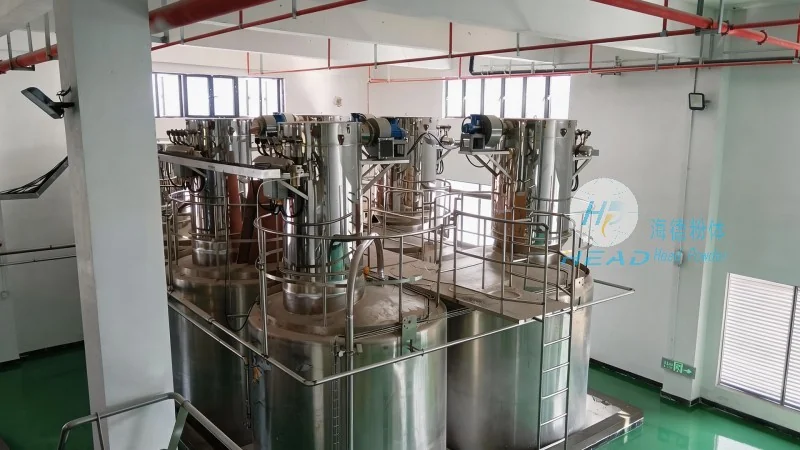
When applied to fine materials, pneumatic conveying systems demonstrate distinct characteristics that make them well-suited for diverse industrial environments. One of the most significant advantages is the prevention of material agglomeration, as the air flow maintains particle separation and prevents caking. This is critical for materials that are prone to sticking together, ensuring consistent flow and preventing blockages. Additionally, these systems excel in maintaining a clean working environment, as the enclosed pipeline design minimizes dust emissions and protects both the material and the workspace from contamination. The adaptability of pneumatic conveying allows for seamless integration into existing production lines, with the ability to adjust conveying distance, flow rate, and pressure as needed. Another key benefit is the reduced risk of material degradation, as the enclosed system shields particles from external factors like moisture, temperature fluctuations, or mechanical stress.
About Shandong HeadPowder Engineering Co., Ltd.
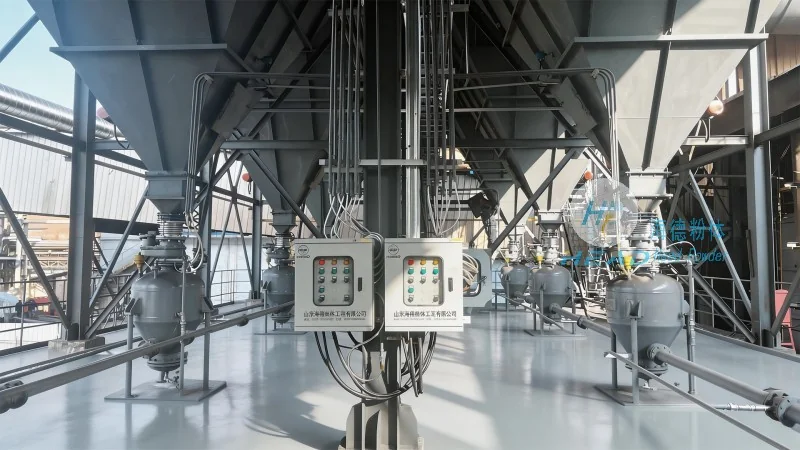
Shandong HeadPowder Engineering Co., Ltd., branded as headpowder, is a prominent provider of specialized pneumatic conveying solutions for fine materials. The company is dedicated to engineering excellence and customer-focused design, offering tailored systems that address the unique challenges of material handling in various industries. Headpowder's expertise stems from a deep understanding of fine particle behavior and the complex dynamics of pneumatic transport. By leveraging advanced engineering principles and practical application experience, the company develops systems that are both efficient and reliable. Headpowder's operations are based in Shandong, China, where they utilize local industrial resources and knowledge to deliver high-quality products and services. The company's commitment to innovation and customer satisfaction ensures that clients receive solutions that not only meet but exceed their material transport requirements, ultimately contributing to improved operational efficiency and cost savings.