

Principles and Application Scenarios of Wheat Pneumatic Conveying
Wheat pneumatic conveying is a critical technology in the grain processing industry, enabling the efficient and reliable transport of wheat from storage silos, processing lines, or storage facilities to various destinations such as milling equipment, packaging areas, or distribution centers. This method leverages air as the primary medium to move bulk wheat, offering advantages over traditional mechanical conveying systems like reduced equipment wear, lower maintenance costs, and improved safety in handling potentially dusty or allergenic materials. The core principle involves creating a pressure differential—either positive or negative—to generate the necessary force to move the wheat particles through a pipeline network. As a leading provider of grain handling solutions, Shandong HeadPowder Engineering Co., Ltd. specializes in designing and manufacturing customized pneumatic conveying systems tailored to the specific needs of wheat processing operations.
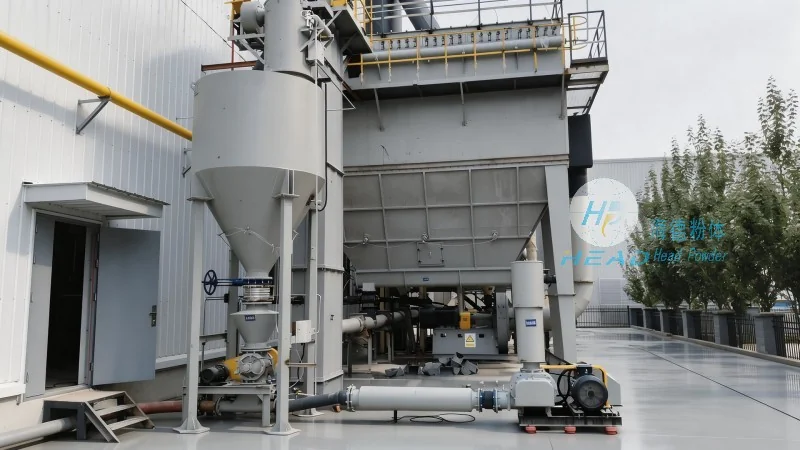
Principles of Pneumatic Conveying for Wheat
The fundamental mechanism of wheat pneumatic conveying revolves around the interaction between air flow and wheat particles. In positive pressure systems, air is forced through a pipeline at a high velocity, creating a pressure higher than the ambient air. This high-pressure air entrains the wheat particles, lifting and transporting them through the system. Conversely, negative pressure systems draw air and wheat particles into a vacuum, pulling them through the pipeline. For wheat, which is typically a dry, free-flowing grain with a relatively uniform particle size (ranging from 2 to 8 mm), the choice of system depends on factors like the distance to be covered, the volume of material to be moved, and the need for gentle handling to preserve grain quality. The design of the conveying system, including the type of air nozzles, pipeline diameter, and air velocity, is crucial for optimizing performance and minimizing grain degradation. Shandong HeadPowder Engineering Co., Ltd. employs advanced engineering to ensure that the air velocity and pressure settings are precisely calibrated for optimal wheat transport, reducing the risk of particle breakage or damage.
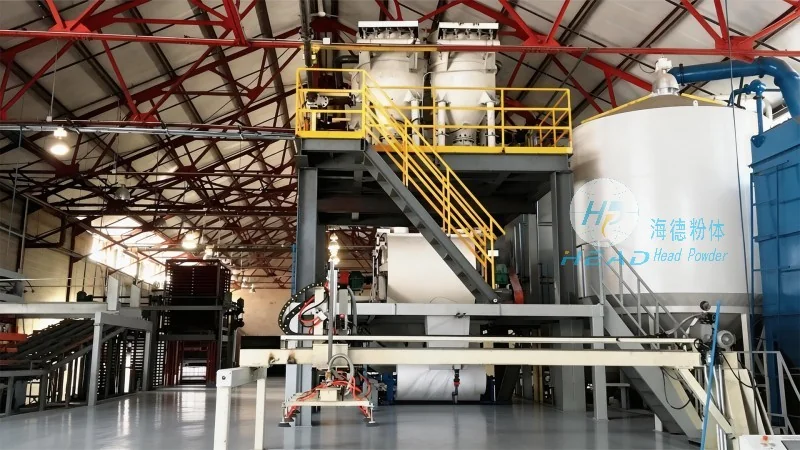
Key Components and Their Roles in Wheat Pneumatic Conveying
Several key components work together to ensure the smooth operation of a wheat pneumatic conveying system. The hopper or feeder is the starting point, where wheat is loaded and metered into the system. This component must be designed to handle the bulk density and flow characteristics of wheat, preventing blockages and ensuring consistent material feed. The air supply unit, which may include a blower or fan, generates the necessary air pressure or vacuum. For wheat applications, a high-efficiency blower is often preferred to minimize energy consumption while maintaining sufficient air velocity. The pipeline network connects the feeder to the discharge point, with components like bends, tees, and filters integrated along the way. Bends are typically designed with smooth curves to reduce pressure loss and prevent grain buildup, while filters are essential to capture dust and prevent it from entering the system or being released into the environment. The discharge unit, such as a rotary valve or a dust collector, controls the release of wheat at the end of the pipeline, ensuring a controlled and clean discharge process. Shandong HeadPowder Engineering Co., Ltd. uses high-quality materials and precision manufacturing to ensure durability and reliability of these components, even in high-volume wheat processing environments.
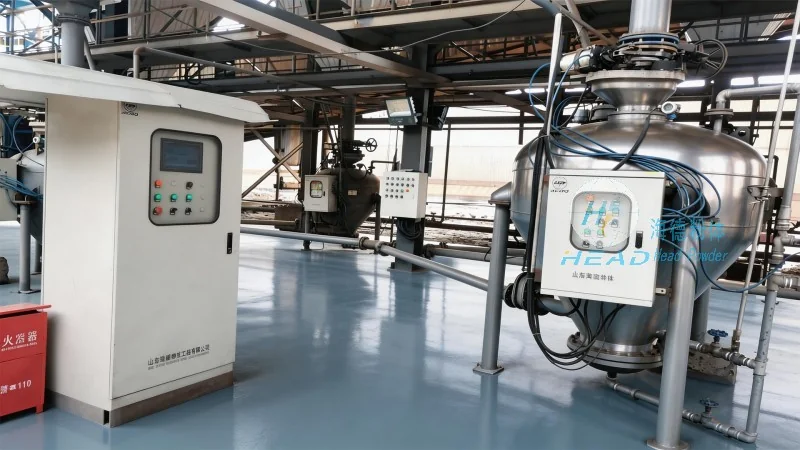
Application Scenarios and Operational Features of Wheat Pneumatic Conveying
Wheat pneumatic conveying is widely used in various operational scenarios within the grain processing industry. One common application is in flour mills, where wheat is transported from storage silos to the milling machinery. The system can handle large volumes of wheat, often in continuous operation, to support the high throughput required by modern milling operations. Another scenario is in bulk storage facilities, where wheat is moved between different storage silos or from storage to loading trucks for distribution. The flexibility of pneumatic conveying allows for easy reconfiguration of the pipeline network to accommodate changes in storage or processing needs. Additionally, in food processing plants, wheat may be conveyed to mixing or blending areas for the production of baked goods or other wheat-based products. The operational features of pneumatic conveying, such as its ability to handle dusty or fine particles without clogging, make it suitable for applications where mechanical conveyors might struggle. Furthermore, the system can be integrated with other processing equipment, such as cleaning or grading machines, to form a seamless production line, enhancing overall efficiency and reducing downtime. Shandong HeadPowder Engineering Co., Ltd. has successfully implemented such systems in numerous wheat processing facilities across China, demonstrating the practicality and effectiveness of pneumatic conveying in real-world operations.
Advantages and Considerations for Wheat Pneumatic Conveying
Compared to traditional mechanical conveying systems, wheat pneumatic conveying offers several advantages that make it a preferred choice for many grain processing operations. One of the most significant benefits is the reduction in equipment wear and tear. Since there are no moving parts in direct contact with the wheat particles (except for the air nozzles and discharge valves), the system experiences less friction and abrasion, leading to longer equipment life and lower maintenance costs. Additionally, pneumatic conveying systems are more hygienic and easier to clean, which is critical in food processing environments where compliance with food safety regulations is essential. The ability to handle dusty or allergenic materials without generating excessive dust is another key advantage, as it reduces the risk of contamination and improves workplace safety. However, there are also considerations to keep in mind when implementing a wheat pneumatic conveying system. Energy consumption is a primary factor, as high air velocities are required to move the wheat particles, which can increase operational costs. The system also requires careful design to prevent grain degradation, as excessive air velocity or pressure can cause the wheat to break or become damaged. Furthermore, the initial investment cost for a pneumatic conveying system is typically higher than for mechanical systems, though the long-term savings in maintenance and energy costs often justify the investment. Shandong HeadPowder Engineering Co., Ltd. provides comprehensive solutions that balance these factors, offering cost-effective and efficient wheat pneumatic conveying systems tailored to the specific budget and operational requirements of each client.
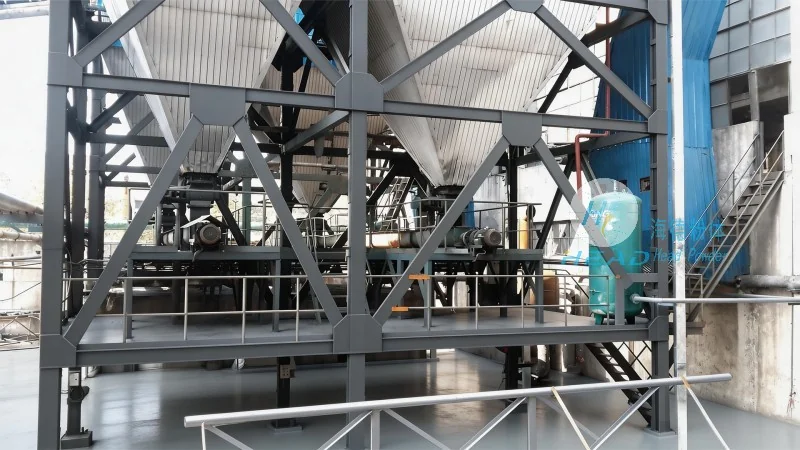
Customization and Maintenance Support from Shandong HeadPowder Engineering Co., Ltd.
Shandong HeadPowder Engineering Co., Ltd. understands that each wheat processing facility has unique requirements, and therefore offers customized pneumatic conveying solutions to meet specific operational needs. The company works closely with clients to assess their wheat handling processes, storage capacities, and transportation distances, then designs a system that optimizes performance while minimizing costs. This includes selecting the appropriate type of conveying system (positive or negative pressure), determining the optimal pipeline diameter and air velocity, and integrating necessary components like filters and discharge units. After installation, the company provides comprehensive maintenance support, including regular inspections, component replacement, and technical assistance to ensure the system operates at peak efficiency. With a focus on quality and customer satisfaction, Shandong HeadPowder Engineering Co., Ltd. has built a reputation as a trusted partner in the grain processing industry, delivering reliable and efficient wheat pneumatic conveying systems that enhance productivity and reduce operational risks.