

Principles and Working Scene Characteristics of Desulfurization Fly Ash Pneumatic Conveying
Desulfurization fly ash, a byproduct of flue gas desulfurization processes in power plants and industrial facilities, requires efficient and reliable handling methods for its transport and disposal. Pneumatic conveying systems have emerged as a preferred solution for this application due to their ability to handle fine powders like fly ash with minimal dust generation and high transport efficiency. This article explores the fundamental principles of desulfurization fly ash pneumatic conveying and highlights the key characteristics of its working scenes, providing insights into the technology's practical implementation and benefits.
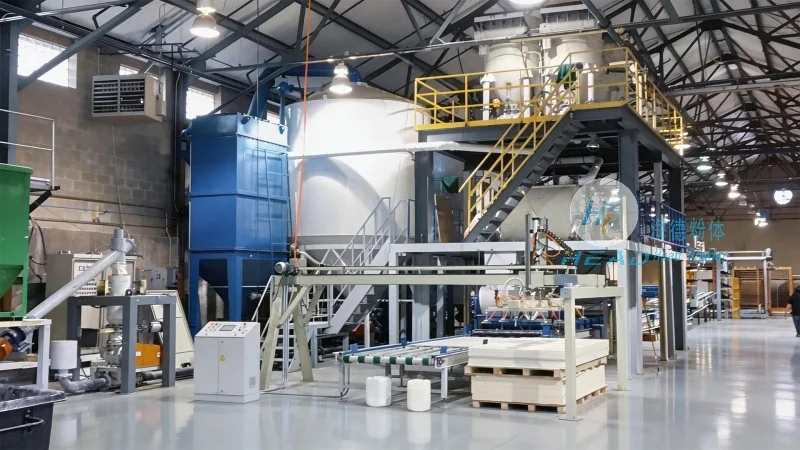
Company Profile: HeadPowder Engineering
HeadPowder Engineering, a leading provider in the field of powder handling and material transport solutions, specializes in the design, manufacturing, and installation of advanced pneumatic conveying systems. With a strong focus on industrial applications, the company has developed expertise in handling challenging materials such as desulfurization fly ash. HeadPowder Engineering is headquartered in Shandong, China, and serves clients globally with customized solutions tailored to their specific operational needs.
Principles of Desulfurization Fly Ash Pneumatic Conveying
Pneumatic conveying operates on the principle of transporting bulk materials through a pipeline using a gas stream, typically air or other gases. In the case of desulfurization fly ash, which is a fine, dry powder with a high specific gravity, the system relies on a combination of pressure or vacuum to move the material. The core components of a pneumatic conveying system include a material feed hopper, a conveying line, a gas source (usually a blower or compressor), and a discharge point. The process begins with the fly ash being fed into the hopper, where it is then drawn into the conveying line by the moving gas. The gas velocity is carefully controlled to ensure that the ash particles are suspended and transported without clogging the pipeline. This method is particularly effective for fly ash because it avoids the need for mechanical components that could cause wear or contamination, making it suitable for long-distance and high-volume transport.
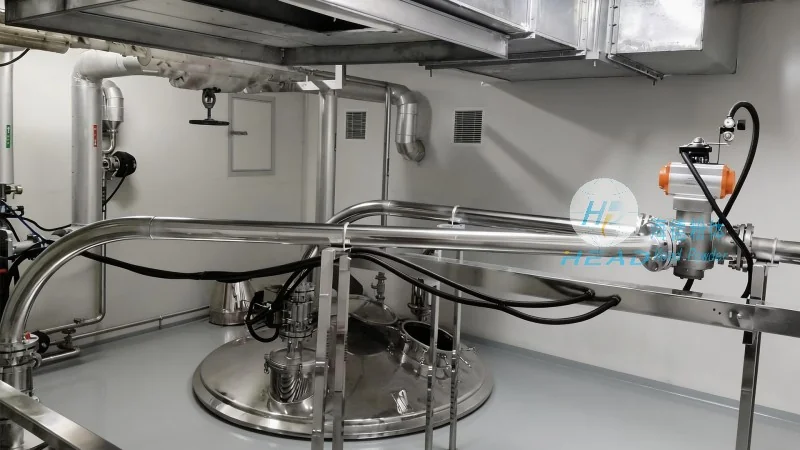
Working Scene Characteristics of Desulfurization Fly Ash Pneumatic Conveying
The working scenes for desulfurization fly ash pneumatic conveying are typically found in power plants, thermal power stations, and industrial facilities where flue gas desulfurization is implemented. These environments are characterized by large-scale production of fly ash, which needs to be transported from the desulfurization unit to storage silos, landfills, or recycling facilities. The key characteristics of these working scenes include high material throughput, often ranging from several tons per hour to tens of tons per hour, and the need for dust-free or low-dust operation to comply with environmental regulations. The systems are usually integrated into the existing plant infrastructure, requiring minimal space and easy integration with other equipment. Additionally, the working scenes may involve varying particle sizes and moisture content in the fly ash, which the pneumatic conveying system must accommodate through adjustable gas flow and pressure settings. The operational environment is often industrial, with considerations for noise control, energy efficiency, and maintenance accessibility. The characteristics of the working scene directly influence the design of the pneumatic conveying system, including the choice of conveying method (e.g., pressure or vacuum), the diameter and length of the pipeline, and the type of gas source used. For example, in power plants, where the distance between the desulfurization unit and the storage facility can be several hundred meters, a high-pressure system is often preferred to maintain the material's velocity and prevent deposition in the pipeline.
Advantages and Applications in Industrial Settings
The adoption of pneumatic conveying for desulfurization fly ash offers several advantages over traditional methods such as truck transport or mechanical conveyors. Firstly, it significantly reduces dust emissions, which is crucial for meeting environmental standards and protecting the health of workers. Secondly, it provides a continuous and automated transport process, improving operational efficiency and reducing labor costs. Thirdly, the system is compact and can be integrated into the plant layout without requiring extensive civil works. The applications of this technology are widespread, including the transport of fly ash from the desulfurization tower to storage silos, the transfer of ash to landfills or recycling facilities, and the feeding of ash into cement kilns for co-combustion. In each of these applications, the pneumatic conveying system ensures a reliable and efficient flow of material, contributing to the overall productivity and sustainability of the industrial facility. The technology is particularly beneficial in large-scale power plants where the volume of fly ash produced is substantial, and the need for efficient handling is critical to the plant's operational performance.
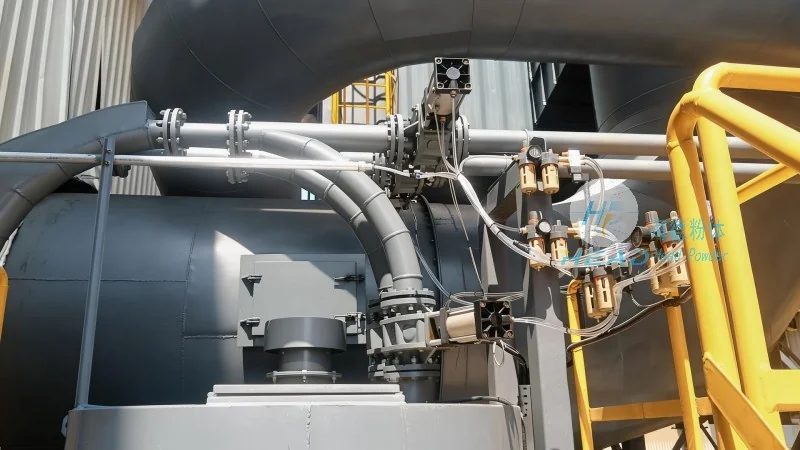
Technical Considerations and System Design
Designing an effective pneumatic conveying system for desulfurization fly ash involves several technical considerations. The first is the selection of the conveying method, which can be either pressure or vacuum. Pressure systems use a blower to push the material through the pipeline, while vacuum systems use a vacuum pump to pull the material. The choice depends on the distance, material properties, and operational requirements. For long-distance transport, pressure systems are generally more suitable due to their ability to maintain higher gas velocities and prevent material deposition. The second consideration is the pipeline design, including the diameter and material of the pipeline. The diameter must be large enough to accommodate the material flow without causing excessive pressure drop or particle clogging. Common materials for the pipeline include stainless steel or plastic, chosen based on the corrosiveness of the fly ash and the system's operating conditions. The third consideration is the gas source, which must provide sufficient air volume and pressure to maintain the material's suspension. The blower or compressor must be sized appropriately to meet the system's requirements, considering factors such as the material's density, particle size, and moisture content. Additionally, the system must include features such as filter bags or cyclones to capture any fine particles that may escape the conveying line, ensuring compliance with air quality regulations. Maintenance considerations are also critical, as the system must be designed for easy access to components for cleaning and replacement, reducing downtime and operational costs.
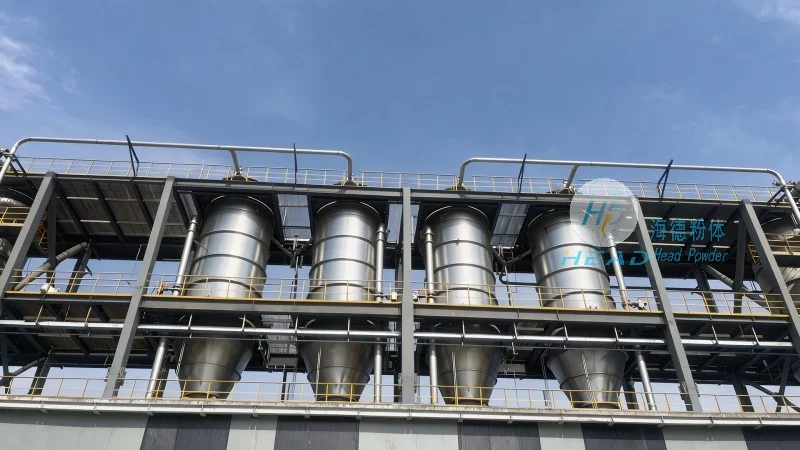
Environmental and Safety Aspects
Environmental and safety aspects are paramount in the operation of desulfurization fly ash pneumatic conveying systems. The primary environmental concern is the prevention of dust emissions, which can lead to air pollution and health hazards. To address this, the system is equipped with dust collection devices such as filter bags or cyclones that capture the fine particles before they are released into the atmosphere. These devices are designed to achieve high collection efficiency, typically above 99%, ensuring that the exhaust air meets the required emission standards. Another environmental consideration is the energy efficiency of the system, as the operation of the blower or compressor consumes significant energy. Modern systems incorporate energy-saving features such as variable frequency drives (VFDs) that adjust the motor speed based on the material flow, reducing energy consumption during low-load operations. Safety aspects include the prevention of material blockages in the pipeline, which can cause pressure buildup and potential hazards. The system is equipped with sensors and alarms that detect blockages and trigger automatic shutdowns to prevent damage. Additionally, the material feed hopper and discharge point are designed with safety features such as lockout/tagout procedures to prevent accidental release of fly ash. The overall design of the system prioritizes both environmental compliance and worker safety, ensuring that the operation is sustainable and secure.
Conclusion
In conclusion, desulfurization fly ash pneumatic conveying is a highly effective and efficient method for handling the byproduct of flue gas desulfurization. The technology operates on the principle of using a gas stream to transport fine powders through a pipeline, offering advantages such as reduced dust emissions, continuous operation, and compact design. The working scenes for this technology are typically found in large-scale industrial facilities, where the need for reliable and efficient material transport is critical. HeadPowder Engineering, with its expertise in powder handling solutions, provides customized pneumatic conveying systems tailored to the specific requirements of desulfurization fly ash applications. By understanding the principles and characteristics of the working scenes, industrial facilities can implement effective and sustainable solutions for fly ash transport, contributing to the overall environmental and operational performance of their operations.