

Principles and Working Scene Characteristics of Wood Ash Pneumatic Conveying
Wood ash, a byproduct of biomass combustion or incineration processes, often requires efficient and reliable handling for disposal or recycling. Pneumatic conveying systems have emerged as a preferred method for transporting wood ash due to their ability to handle fine powders and abrasive materials while maintaining operational efficiency and environmental compliance. This article explores the fundamental principles of wood ash pneumatic conveying and highlights key characteristics of its application scenarios.
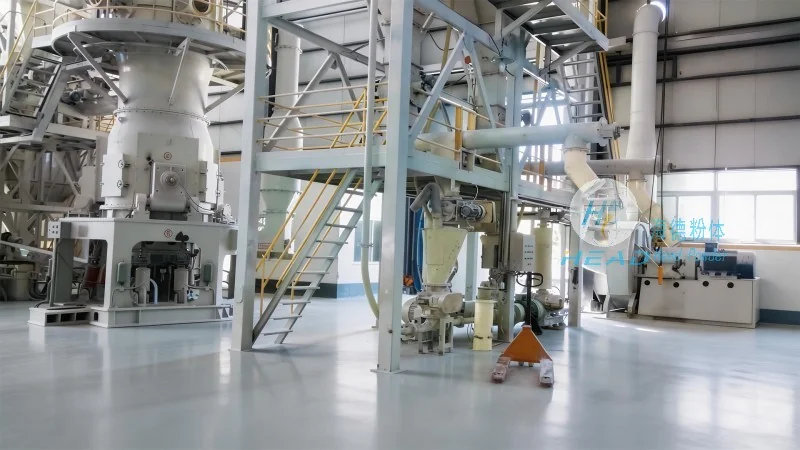
Introduction to Wood Ash Pneumatic Conveying
HeadPowder, a leading provider of engineering solutions in China, specializes in designing and implementing pneumatic conveying systems tailored to the unique demands of wood ash handling. The company, based in Shandong, China, leverages decades of experience to deliver customized solutions that optimize material transport while minimizing operational costs and environmental impact. Pneumatic conveying involves the use of air or gas to transport bulk materials through a pipeline network, making it an ideal choice for wood ash, which is typically fine, dusty, and can be abrasive to traditional mechanical conveyors.
The Core Principles of Pneumatic Conveying for Wood Ash
The fundamental principle of pneumatic conveying is the creation of a pressure differential that propels the material through the system. There are two primary types of pneumatic conveying systems: positive pressure and negative pressure. Positive pressure systems generate air pressure within the conveying line, pushing the material forward, while negative pressure systems create a vacuum at the receiving end, drawing the material into the line. For wood ash, positive pressure systems are commonly preferred due to their ability to handle higher material loads and longer distances without excessive energy consumption.
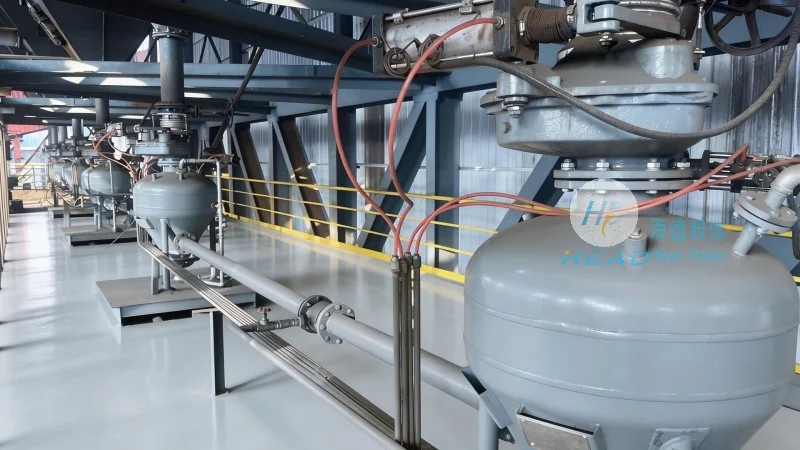
A typical wood ash pneumatic conveying system consists of several key components. The process begins with a material feed hopper, which stores and feeds the wood ash into the system. A rotary valve or feeder then regulates the flow of material into the conveying line. The conveying line itself is usually made of stainless steel or other corrosion-resistant materials to withstand the abrasive nature of wood ash. A blower or compressor provides the necessary air pressure, while a filter system captures and cleans the air to prevent dust emissions. At the receiving end, a silo or storage tank collects the transported wood ash, and a discharge valve controls the material release.
Key Characteristics of Working Scenes for Wood Ash Pneumatic Conveying
The application of wood ash pneumatic conveying varies across different industrial settings, each with distinct operational requirements and environmental considerations. Understanding these characteristics is crucial for selecting the most suitable system configuration.
Industrial Power Plants and Biomass Facilities
In power plants that utilize biomass as a fuel source, wood ash is generated as a byproduct of combustion. Pneumatic conveying systems are widely used to transport this ash from the boiler to a storage or disposal area. The key characteristics in this scenario include high material throughput, often requiring systems capable of handling large volumes of ash per hour. The system must also be designed to withstand the high temperatures and corrosive properties of the ash, with components such as heat-resistant seals and corrosion-resistant materials. Additionally, the system must integrate seamlessly with the existing plant infrastructure, ensuring minimal disruption to ongoing operations.
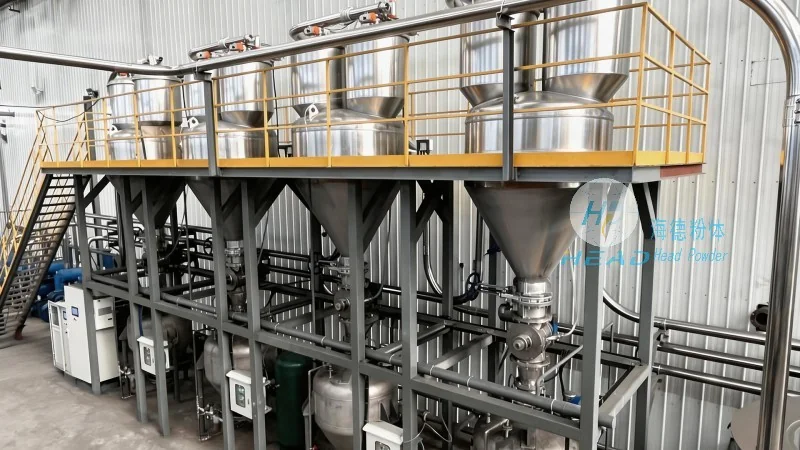
Waste-to-Energy and Incineration Plants
Waste-to-energy facilities that process municipal solid waste or other organic materials often generate significant amounts of ash. Pneumatic conveying is employed to transport this ash to a landfill or for further processing, such as recycling. The working scene in these plants is characterized by the need to handle a mix of ash types, including both fine and coarse particles. The system must be capable of adapting to varying material compositions and flow rates, ensuring consistent performance. Environmental regulations also play a critical role, as the system must minimize dust emissions and comply with air quality standards.
Industrial Processing and Recycling Facilities
Some industrial facilities use wood ash as a raw material for manufacturing products like cement, concrete, or soil amendments. Pneumatic conveying systems are used to transport the ash from storage to processing equipment. The key characteristics here include the need for precise material control, as the ash may be used in specific ratios or blended with other materials. The system must also maintain the quality of the ash, preventing contamination or degradation during transport. This often requires the use of closed-loop systems to avoid dust exposure and ensure product purity.
Advantages and Considerations in Wood Ash Pneumatic Conveying
Implementing a pneumatic conveying system for wood ash offers several advantages, including high efficiency, reduced labor costs, and improved safety compared to traditional methods like bucket elevators or belt conveyors. The system can transport materials over long distances without the need for multiple transfer points, simplifying the overall process. Additionally, pneumatic conveying is less prone to material buildup and blockages, as the air flow continuously moves the material through the line.
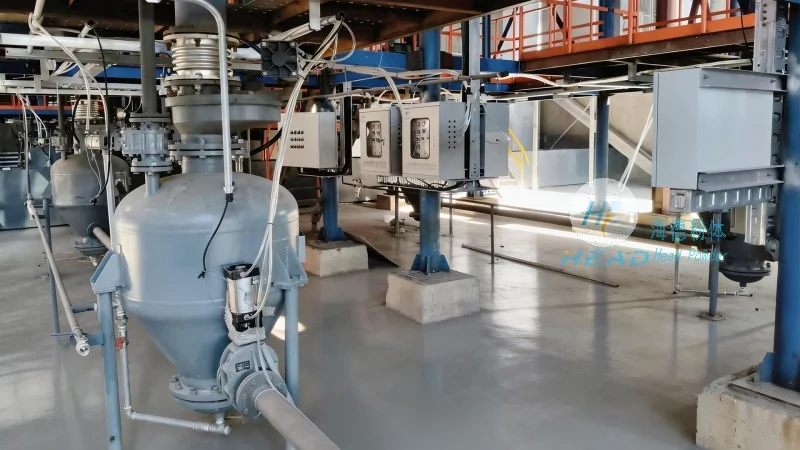
However, there are also considerations to keep in mind. The initial investment for a pneumatic conveying system can be higher than for mechanical systems, though operational costs are often lower over time. The system requires regular maintenance, particularly for the air filtration and blower components, to ensure optimal performance. Additionally, the system must be designed to handle the specific properties of wood ash, such as its fineness, moisture content, and abrasiveness, to prevent equipment wear and system downtime.
Conclusion
Wood ash pneumatic conveying is a highly effective and versatile method for handling wood ash in various industrial applications. By understanding the fundamental principles of the system and the specific characteristics of different working scenes, companies can select and implement the most suitable solution to meet their operational needs. HeadPowder, with its expertise in engineering and manufacturing, continues to provide innovative solutions that enhance the efficiency and sustainability of wood ash management across industries.