

Aerodynamic Transport of Asphalt Fines: Principles and Application Scenarios
HeadPowder, a leading enterprise in the field of material handling technology, specializes in the aerodynamic transport of asphalt fines. This article delves into the fundamental principles behind this process and explores the key characteristics of its operational environments.
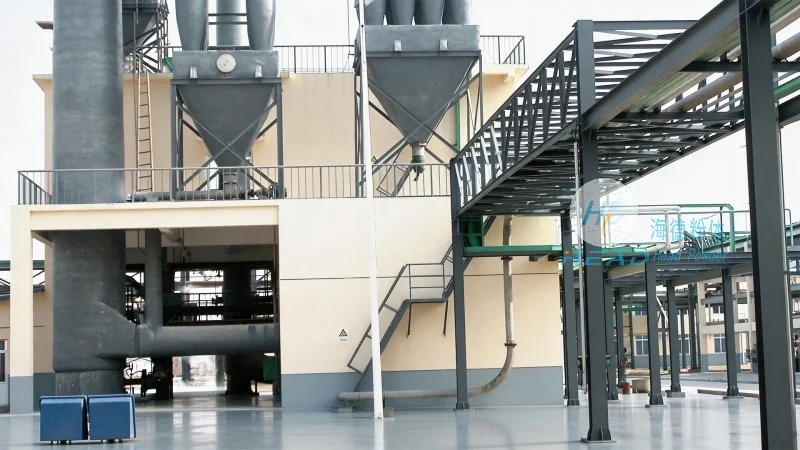
Understanding the Principles of Asphalt Fines Aerodynamic Transport
The core of asphalt fines aerodynamic transport lies in the use of compressed air to create a fluidized state for the material. As asphalt fines are introduced into a sealed pipeline system, a controlled amount of air is injected, generating a turbulent flow that suspends the fine particles. This process, often referred to as pneumatic conveying, relies on the balance between air velocity and particle size, density, and moisture content. The system typically consists of a hopper, a rotary valve for material feeding, a pipeline network, and a receiver for material discharge. The air flow is regulated by a blower or compressor, ensuring that the velocity within the pipeline remains above the minimum required to keep the particles airborne, thus preventing deposition and blockages.
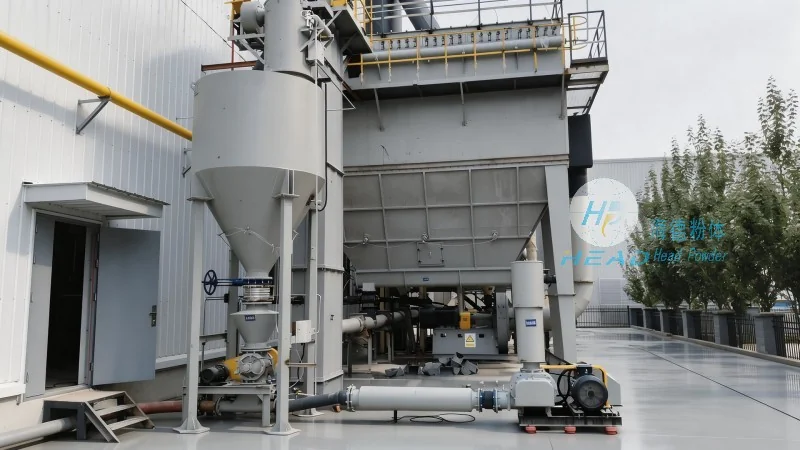
Key Characteristics of Operational Environments for Asphalt Fines Transport
The application scenarios for asphalt fines aerodynamic transport are diverse and tailored to specific construction and industrial needs. These environments are characterized by several critical factors that influence system design and performance. First, the material handling capacity is a primary consideration, as systems must accommodate varying volumes of asphalt fines, often ranging from small-scale laboratory applications to large-scale industrial production lines. Second, the distance and layout of the transport route play a significant role; horizontal, vertical, or combined (inclined) pipelines are common, with the system's efficiency depending on the total length and elevation changes. Third, the environmental conditions within the operational area, such as temperature fluctuations and the presence of moisture, can affect the material's flow properties and the system's air consumption. Additionally, the need for dust control and air filtration is paramount, as asphalt fines are fine particles that can cause respiratory issues and environmental contamination if not properly managed. The system's design must incorporate efficient dust collection and filtration mechanisms to ensure compliance with occupational health and safety regulations.
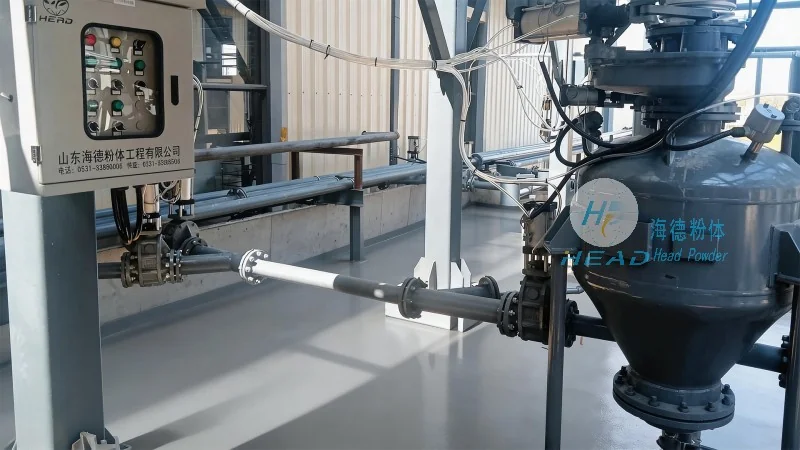
HeadPowder Engineering: Expertise in Asphalt Fines Handling Solutions
Shandong HeadPowder Engineering Co., Ltd., headquartered in Shandong, China, is a reputable manufacturer and supplier of advanced material handling equipment for asphalt fines. The company has established itself as a trusted partner in the construction and road-building industries, offering customized solutions that meet the unique demands of each project. HeadPowder's expertise lies in the design and manufacturing of high-efficiency pneumatic conveying systems, which are engineered to deliver reliable and cost-effective transport of asphalt fines. The company's product line includes a range of components such as hopper feeders, rotary valves, blowers, and receiver units, all designed to work in harmony to ensure smooth and continuous operation. With a focus on quality and innovation, HeadPowder adheres to international standards in its manufacturing processes, ensuring that its equipment is durable, efficient, and easy to maintain. The company's technical team provides comprehensive support, from system design and installation to after-sales service, helping clients optimize their material handling operations and improve overall productivity. By leveraging years of experience and continuous research, HeadPowder continues to advance the technology of asphalt fines aerodynamic transport, providing solutions that enhance safety, efficiency, and sustainability in material handling processes.