

Principles and Application Scenarios of Sorghum Pneumatic Conveying
At Shandong HeadPowder Engineering Co., Ltd., we specialize in the design, manufacturing, and installation of advanced pneumatic conveying systems tailored for the handling of sorghum and other bulk materials. Our expertise lies in providing efficient, reliable solutions that meet the unique demands of the agricultural and food processing industries.
Understanding Pneumatic Conveying Principles
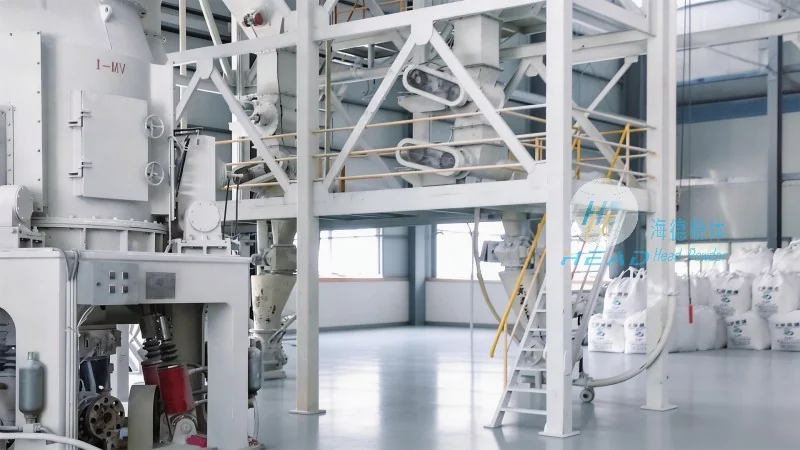
Pneumatic conveying is a method of transporting bulk materials through a pipeline using a stream of air or gas. For sorghum, this technology offers a hygienic, dust-free, and energy-efficient alternative to traditional mechanical conveying systems. The core principle involves creating a pressure differential within the pipeline, which propels the material from the source to the destination. This process can be categorized into two main types: pressure and vacuum systems, each with distinct advantages depending on the application requirements.
Key Components of Sorghum Pneumatic Conveying Systems
Our systems are engineered with precision, incorporating several critical components to ensure optimal performance. The primary elements include a material feed hopper, a conveying pipeline, a blower or vacuum pump, and a discharge unit. The feed hopper is designed to store and meter the sorghum, ensuring a consistent flow into the system. The pipeline, typically made of stainless steel or other corrosion-resistant materials, is configured to minimize friction and pressure loss. The blower or vacuum pump generates the necessary airflow to move the material, while the discharge unit regulates the material's release at the destination. Additionally, we incorporate features such as air filtration and dust collection to maintain a clean and safe working environment.
Application Scenarios and Operational Advantages
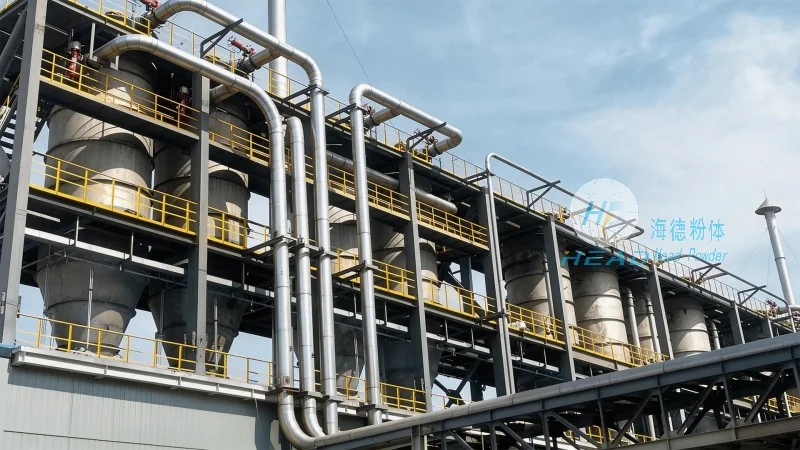
Sorghum pneumatic conveying systems are widely used in various industrial settings, including grain storage facilities, processing plants, and packaging operations. In grain storage, these systems facilitate the transfer of sorghum from silos to processing lines, ensuring smooth and continuous operations. During processing, they help move raw sorghum to milling or grinding equipment, where it is converted into flour or other products. The advantages of this technology are significant: it reduces labor costs by automating material handling, minimizes product contamination and spoilage due to the enclosed system, and improves overall operational efficiency. Furthermore, the hygienic design of our systems complies with food safety regulations, making them suitable for applications where product purity is paramount.
Customization and Integration with Existing Facilities
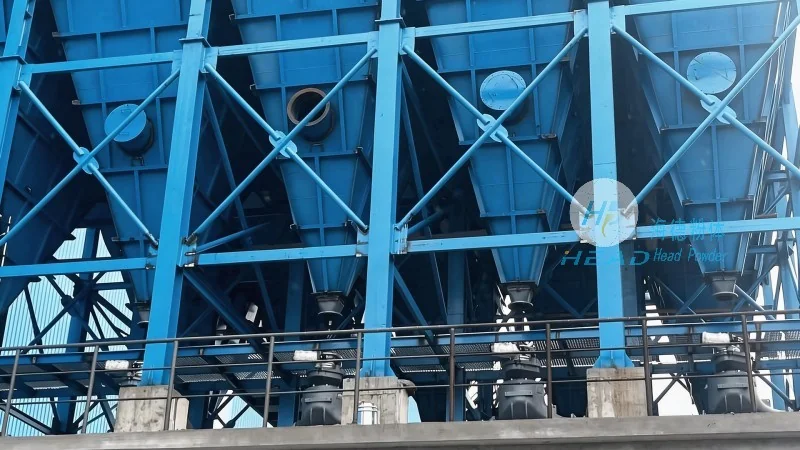
Recognizing that each facility has unique operational needs, we offer customized pneumatic conveying solutions. Our team works closely with clients to assess their specific requirements, including material characteristics, throughput capacity, and space constraints. We then design a system that integrates seamlessly with existing infrastructure, whether it involves retrofitting an existing silo or constructing a new processing line. This approach ensures that the system not only meets current needs but also accommodates future expansion. For example, we can design systems with variable speed drives to adjust airflow based on production demands, or incorporate automated control systems to monitor and optimize performance in real-time.
Maintenance and Long-Term Reliability
Ensuring the long-term reliability of our pneumatic conveying systems is a top priority. We provide comprehensive maintenance services and support to our clients, including regular inspections, component replacement, and troubleshooting. Our systems are built with durable materials and robust engineering to withstand the rigors of continuous operation. The use of stainless steel in the pipeline and hopper components, for instance, prevents corrosion and extends the system's lifespan. Additionally, we offer training programs for facility operators to enhance their understanding of system operation and maintenance, ensuring that the equipment remains in optimal condition throughout its service life.