

Principle and Working Scene Characteristics of Soybean Feed Pneumatic Conveying Systems
Efficient and reliable material handling is a critical factor in modern feed production facilities, particularly when dealing with bulk materials like soybean feed. Pneumatic conveying systems have emerged as a preferred solution for transporting these materials due to their ability to enhance operational efficiency, reduce labor costs, and maintain product quality. This article explores the fundamental principles of soybean feed pneumatic conveying systems and highlights the key characteristics of their working environments, providing insights into how these systems optimize feed processing operations.
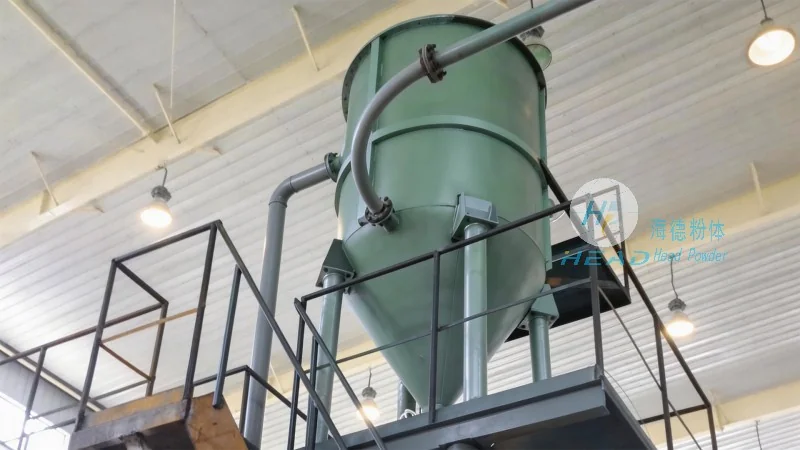
Understanding the Core Principles of Pneumatic Conveying Systems
Pneumatic conveying systems operate by using air or gas to transport bulk materials through a pipeline network. The primary principle involves creating a pressure differential that propels the material from the source to the destination. There are two main types of pneumatic conveying: pressure and vacuum systems. Pressure systems use compressed air to push material through the pipeline, while vacuum systems create a negative pressure to draw material into the system. For soybean feed, which is often handled in large quantities, pressure systems are commonly employed due to their higher conveying capacity and ability to handle abrasive materials without causing excessive wear on equipment.
Key Working Scene Characteristics of Soybean Feed Pneumatic Conveying
The working environment of a soybean feed pneumatic conveying system is characterized by several distinct features that impact its design and performance. Firstly, the system must be capable of handling high volumes of feed, often in the range of several tons per hour, to meet the demands of large-scale feed mills. This requires robust pipeline designs and powerful air compressors to maintain consistent flow rates. Secondly, the system needs to ensure minimal product degradation, as soybean feed is sensitive to temperature and mechanical stress. Proper temperature control and gentle material handling mechanisms, such as low-velocity conveying, are essential to preserve the nutritional value and quality of the feed.
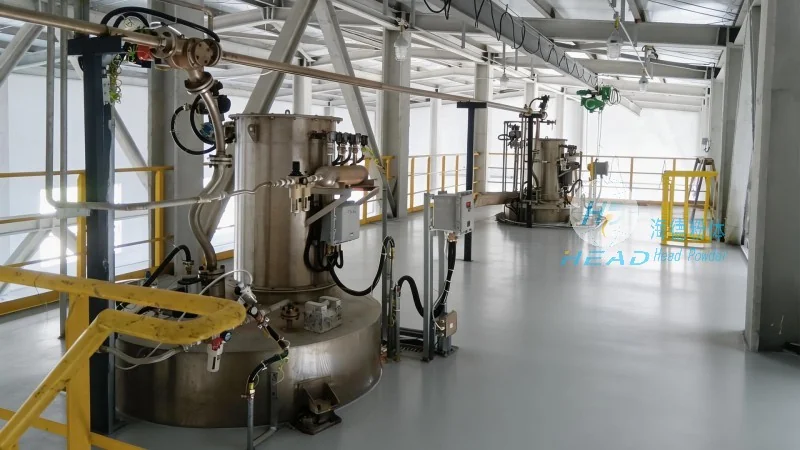
Material Handling Efficiency and System Integration
One of the most significant advantages of pneumatic conveying systems is their ability to integrate seamlessly with other feed processing equipment. In a typical feed mill, the system can connect with feed mixers, storage silos, and packaging units, creating a continuous material flow. This integration reduces the need for manual handling and minimizes the risk of cross-contamination between different feed batches. For soybean feed, which may be blended with other ingredients like grains or vitamins, the system's flexibility in handling mixed materials is crucial. The ability to adjust air pressure and flow rates allows operators to control the mixing process, ensuring uniform distribution of all components.
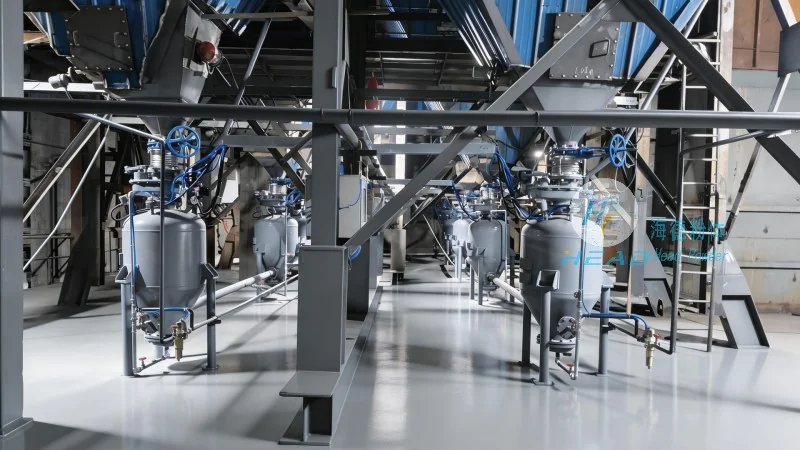
Operational Considerations and Maintenance
Effective operation of a soybean feed pneumatic conveying system requires careful consideration of several operational factors. Regular maintenance is essential to prevent system downtime and ensure long-term reliability. This includes monitoring air compressor performance, checking for leaks in the pipeline, and cleaning the system to remove accumulated material. Additionally, the system must be designed to handle the specific properties of soybean feed, such as its moisture content and particle size distribution. Proper filtration and separation mechanisms are installed to prevent blockages and maintain consistent conveying efficiency.
Conclusion: Enhancing Feed Production with Advanced Pneumatic Systems
As the feed industry continues to evolve, the adoption of advanced pneumatic conveying systems has become increasingly important for optimizing soybean feed processing. These systems not only improve operational efficiency and product quality but also contribute to cost savings and environmental sustainability. Companies like Shandong HeadPowder Engineering Co., Ltd., a leading provider of engineering solutions for material handling, specialize in designing and manufacturing customized pneumatic conveying systems tailored to the specific needs of feed mills. With their expertise in system integration and maintenance, they help feed producers achieve higher productivity and maintain competitive advantages in the market.