

Principle and Working Scene Characteristics of Sawdust and Wood Flakes Pneumatic Conveying Systems
HeadPowder, a leading engineering firm based in Shandong, China, specializes in the design and implementation of advanced pneumatic conveying systems tailored for the efficient handling of sawdust and wood flakes. This article delves into the fundamental principles behind these systems and highlights the key working scene characteristics that make them indispensable in modern industrial applications.
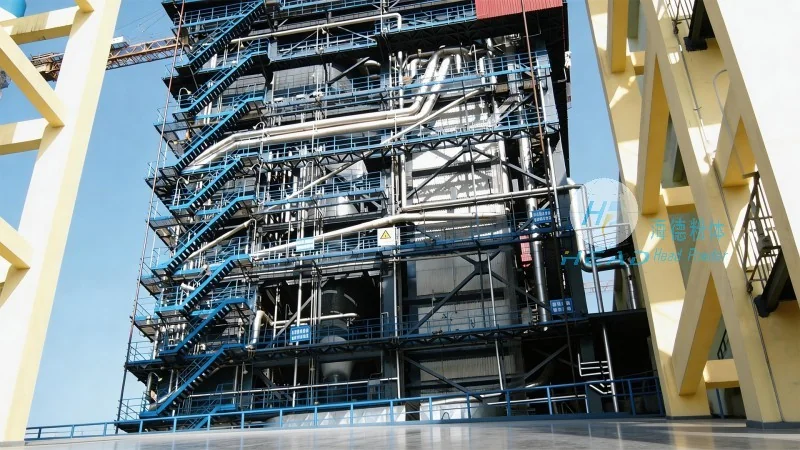
Understanding the Core Principle of Pneumatic Conveying for Sawdust and Wood Flakes
The pneumatic conveying system for sawdust and wood flakes operates on the principle of transporting bulk materials through a pipeline using a stream of air or gas. Unlike traditional mechanical conveying methods, this system utilizes air pressure to move the material, which is particularly advantageous for materials that are light, dusty, or prone to caking. The process typically involves a hopper where the material is fed into a pipeline, where it is then carried by the air flow. The system can be categorized into two main types: dilute-phase and dense-phase conveying, each suited to different material properties and application requirements.
In dilute-phase conveying, the material is suspended in the air stream, allowing for high-velocity transport over long distances with minimal pressure drop. This method is ideal for materials with low bulk density and good flow characteristics. Conversely, dense-phase conveying involves a slower air velocity, where the material forms a plug or slurry within the pipeline, reducing the risk of material degradation and ensuring a more controlled and gentle handling process. The choice between these two phases depends on factors such as the material's moisture content, particle size, and the required distance and speed of transport.
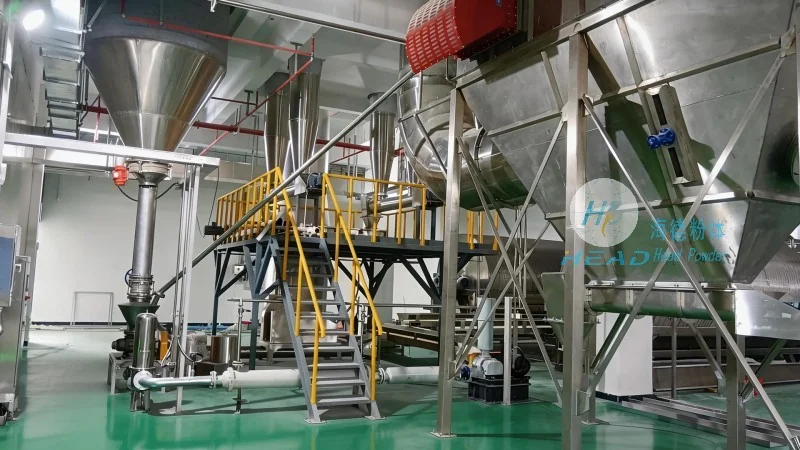
Key Working Scene Characteristics of Sawdust and Wood Flakes Pneumatic Conveying Systems
One of the primary working scene characteristics is the system's ability to handle materials that are often dusty and require dust control measures. The enclosed pipeline design of pneumatic conveying systems minimizes dust emissions, making them suitable for applications where environmental compliance is critical. Additionally, these systems are highly flexible, allowing for changes in material flow rates and direction without the need for extensive reconfiguration, which is essential in dynamic industrial environments.
Another significant characteristic is the system's suitability for long-distance transport. Unlike mechanical conveyors that may have limitations in terms of vertical or horizontal distance, pneumatic systems can efficiently transport materials over several hundred meters, making them ideal for large-scale production facilities where raw materials need to be moved from storage to processing areas. The system's compact design also reduces the footprint required for installation, which is beneficial in facilities with limited space.
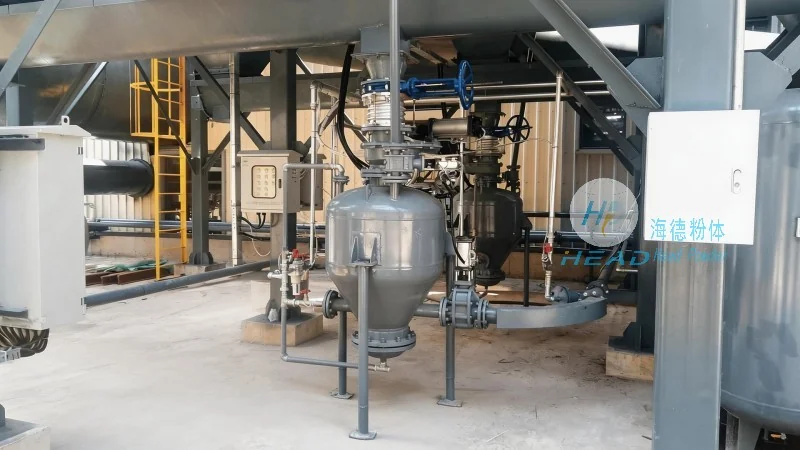
The working scene also includes the need for material handling in environments where traditional methods may be inefficient or unsafe. For instance, in sawmills and wood processing plants, sawdust and wood flakes are often generated in areas that are difficult to access or have high noise levels. Pneumatic conveying systems provide a safe and efficient alternative, eliminating the need for manual handling of these materials and reducing the risk of workplace accidents. Furthermore, the system's ability to handle materials with varying moisture content and particle sizes makes it versatile for different stages of the wood processing workflow, from raw material collection to finished product packaging.
Application Scenarios and Industry Impact
The working scene characteristics of sawdust and wood flakes pneumatic conveying systems are evident in various industrial applications. In the wood industry, these systems are commonly used in sawmills, where they transport sawdust from the cutting area to storage silos or processing units. The efficiency of the system ensures that the material is moved quickly and without degradation, which is crucial for maintaining the quality of the final products. In the pulp and paper industry, similar systems are employed to transport wood chips and other raw materials to the processing plants, where they are converted into paper products.
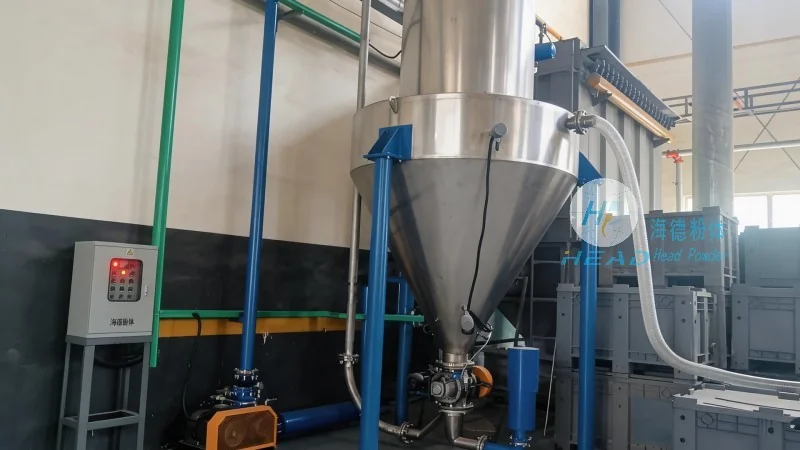
In addition to the wood industry, these systems find applications in the agricultural sector, where they are used to transport grain, feed, and other bulk materials. The adaptability of the system allows it to handle different types of materials with varying properties, making it a versatile solution for various industrial needs. The working scene also includes the integration of these systems with other processing equipment, such as drying and grinding units, to form a comprehensive material handling solution. This integration enhances the overall efficiency of the production process and reduces downtime by ensuring a continuous flow of materials.
Conclusion and Company Overview
HeadPowder Engineering Co., Ltd., based in Shandong, China, is at the forefront of developing and implementing advanced pneumatic conveying systems for sawdust and wood flakes. The company's expertise in engineering and material handling ensures that their systems are designed to meet the specific needs of each client, taking into account factors such as material properties, transport distance, and environmental requirements. By leveraging the core principles of pneumatic conveying and understanding the working scene characteristics, HeadPowder provides reliable and efficient solutions that enhance productivity and safety in industrial applications. With a strong commitment to quality and innovation, HeadPowder continues to be a trusted partner for businesses seeking to optimize their material handling processes.