

Principle and Working Scene Characteristics of Rice Bran Pneumatic Conveying Equipment
HeadPowder, a leading engineering company based in Shandong, China, specializes in the design and manufacturing of advanced pneumatic conveying systems tailored for the rice bran processing industry. This article delves into the fundamental principles behind rice bran pneumatic conveying equipment and highlights the key working scene characteristics that make such systems efficient and reliable in real-world applications.
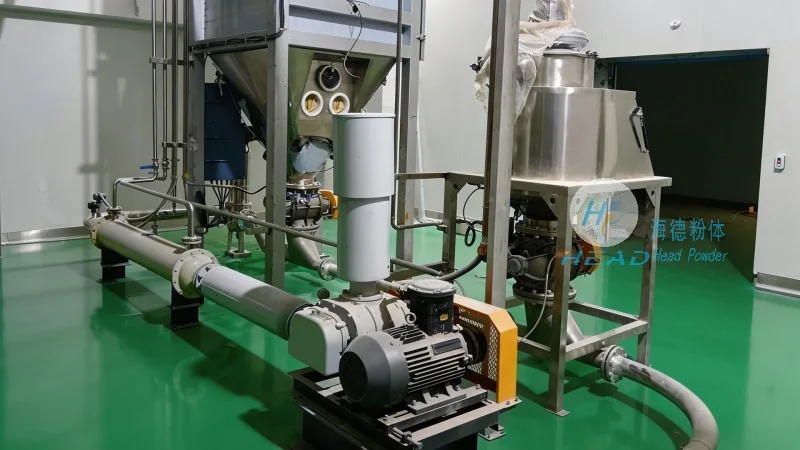
Understanding the Core Principle of Pneumatic Conveying for Rice Bran
The pneumatic conveying system for rice bran operates on the principle of transporting bulk materials like rice bran through a pipeline using a stream of air or gas. This method eliminates the need for mechanical components such as belts, buckets, or screws, which are common in traditional conveying systems. Instead, the system relies on the kinetic energy of the air flow to move the material from the source to the destination. The process typically involves a combination of positive and negative pressure zones, where air is either blown into the pipeline (positive pressure) or drawn out (negative pressure) to create the necessary flow for material transport.
For rice bran, which is a fine, light, and often dusty material, the choice of conveying method is critical. Pneumatic systems are particularly well-suited because they can handle the material's low bulk density and prevent dust accumulation in the conveying line. The system's design, including the type of air nozzle, pipeline diameter, and air velocity, is optimized to ensure efficient and low-loss transport. This not only minimizes material degradation but also reduces operational costs by minimizing energy consumption and maintenance requirements.
Key Working Scene Characteristics of Rice Bran Pneumatic Conveying Equipment
The working scene characteristics of rice bran pneumatic conveying equipment are tailored to the specific demands of rice bran processing facilities. These characteristics include high efficiency in material transfer, minimal product contamination, and adaptability to varying production volumes. In typical industrial settings, such as rice mills or oil extraction plants, the equipment is integrated into the production line to handle the continuous flow of rice bran from storage silos to processing units or storage tanks.
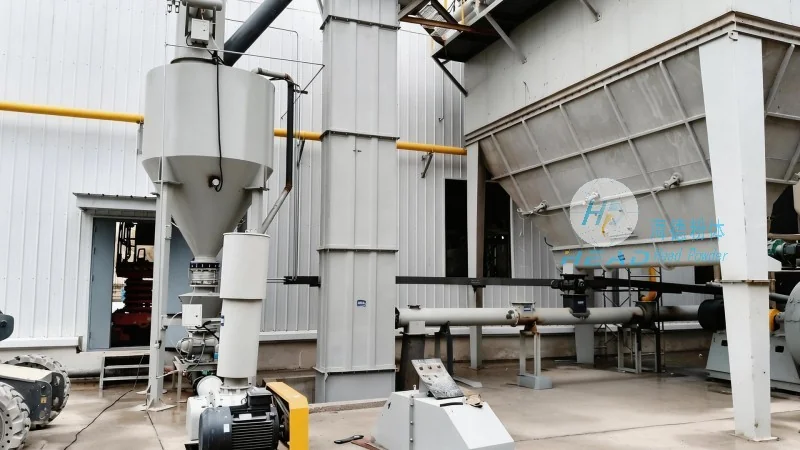
One of the primary advantages in working scenes is the ability to convey rice bran over long distances without the need for intermediate transfer points. This reduces the risk of material spillage and contamination, which is crucial for maintaining product quality and compliance with industry standards. The system's flexibility also allows for easy integration with other processing equipment, such as filters, separators, or drying units, creating a seamless workflow from raw material handling to final product output.
Another important characteristic is the system's ability to handle varying material conditions. Rice bran can be processed in different moisture levels and particle sizes, and the pneumatic conveying equipment is designed to accommodate these variations. The adjustable air pressure and velocity settings ensure that the material is conveyed at the optimal rate, preventing clogging or excessive pressure drops that could lead to system failure. This adaptability makes the equipment suitable for both small-scale and large-scale production environments.
Operational Benefits and Application Scenarios
In practical applications, rice bran pneumatic conveying equipment offers several operational benefits that enhance the overall efficiency of rice bran processing operations. These benefits include reduced labor costs due to automated material handling, lower maintenance requirements compared to mechanical systems, and improved safety by minimizing human exposure to dust and moving parts. The system's compact design also allows for installation in spaces with limited room, making it ideal for retrofitting into existing facilities.
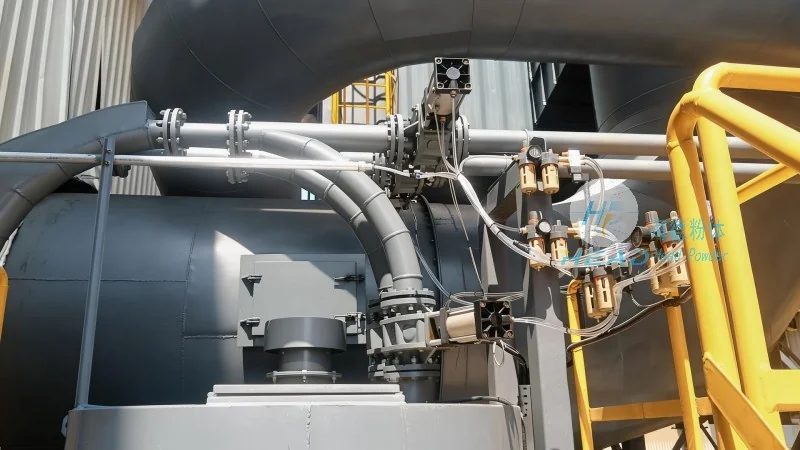
Common application scenarios include the transport of rice bran from storage silos to oil extraction machines, from the extraction unit to storage tanks, or from the processing line to packaging areas. In each of these scenarios, the equipment ensures a consistent and reliable flow of material, which is essential for maintaining production throughput and product quality. The ability to handle large volumes of rice bran quickly and efficiently helps in meeting the demands of modern food processing industries, where speed and consistency are paramount.
Furthermore, the system's low energy consumption and minimal environmental impact make it an attractive option for companies looking to reduce their operational costs and environmental footprint. By using compressed air as the primary energy source, the system avoids the need for heavy machinery and reduces the risk of mechanical failures that could lead to downtime and production losses.
Conclusion
HeadPowder's rice bran pneumatic conveying equipment exemplifies the integration of advanced engineering principles with practical application needs. By understanding the core principles of pneumatic conveying and leveraging key working scene characteristics, such systems provide efficient, reliable, and cost-effective solutions for rice bran processing. With a strong presence in Shandong, China, HeadPowder continues to innovate and provide tailored solutions that meet the evolving demands of the industry, ensuring that rice bran can be transported safely and efficiently from source to destination.