

Principles and Working Scene Characteristics of Synthetic Fiber Pneumatic Conveying Equipment
For industries dealing with synthetic fibers, efficient material handling is crucial for maintaining production efficiency and product quality. Synthetic fiber pneumatic conveying equipment offers a reliable solution that combines advanced technology with practical application in various industrial settings. This article explores the fundamental principles behind such equipment and highlights the key characteristics of its working scenes, providing insights into how these systems enhance operational performance.
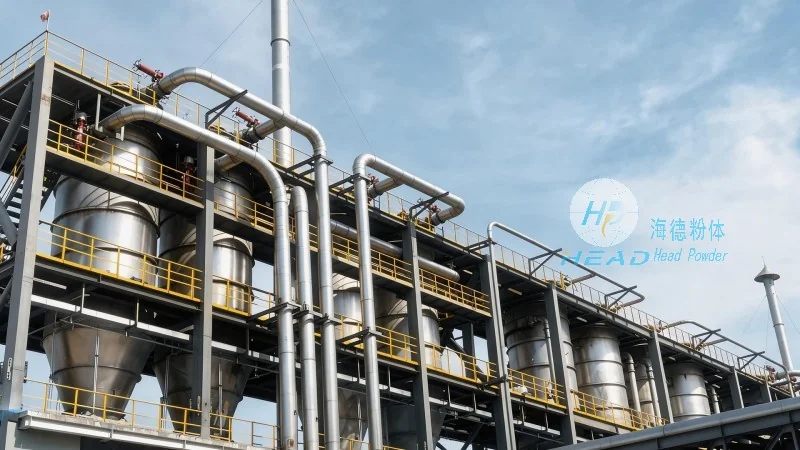
Overview of Synthetic Fiber Pneumatic Conveying Equipment
Synthetic fiber pneumatic conveying systems are designed to transport loose or bulk synthetic fibers through a pipeline using compressed air or other gas as the driving force. Unlike traditional mechanical conveying methods, pneumatic systems eliminate the need for moving parts in the conveying path, reducing maintenance requirements and minimizing product contamination. The core components typically include a hopper for material storage, a conveying line, a pressure vessel or receiver, and a control system that regulates air flow and pressure. These components work in synergy to ensure smooth and continuous material transport from the source to the destination.
The Working Principle of Pneumatic Conveying
The operation of synthetic fiber pneumatic conveying equipment is based on the principle of fluidization and air movement. When compressed air is introduced into the conveying line, it creates a low-pressure environment that draws the synthetic fibers from the hopper into the pipeline. The air velocity is carefully controlled to maintain a stable flow of material without causing excessive wear or degradation of the fibers. The system uses either positive pressure (where air is blown into the line) or negative pressure (where air is drawn out of the line) to move the material, depending on the specific application and layout of the conveying system. The control system monitors pressure, flow rate, and material level to ensure optimal performance and prevent blockages or overloading.
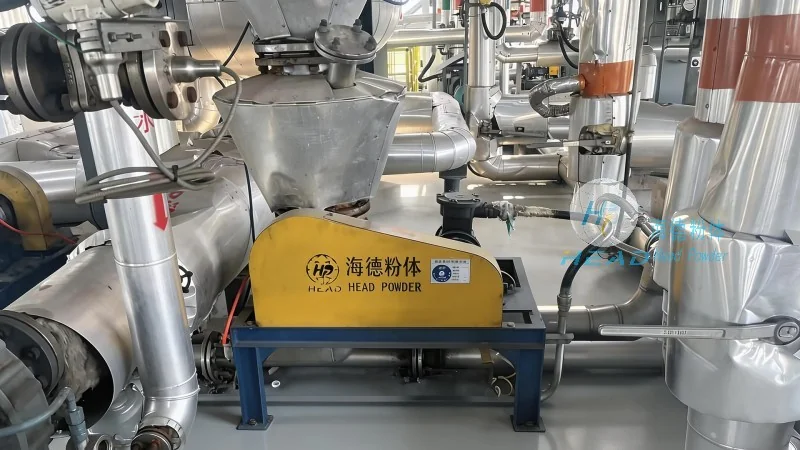
Key Characteristics of Working Scenes
The working scenes of synthetic fiber pneumatic conveying equipment vary based on the industry and the type of synthetic fibers being handled. For example, in textile manufacturing, these systems are commonly used to transport raw fibers from storage to processing machines, ensuring a consistent supply of material for spinning and weaving operations. In chemical processing plants, they may be employed to move synthetic fibers from mixing tanks to drying or packaging units, where precise control over moisture content is critical. The characteristics of these working scenes include:
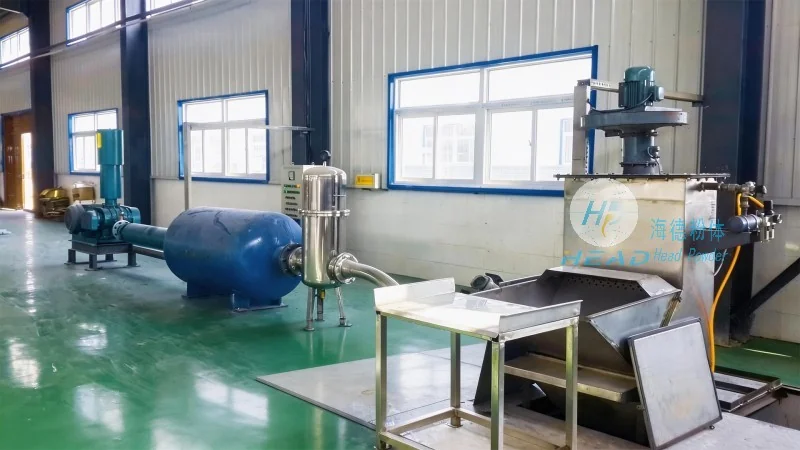
- Material Compatibility: The equipment is designed to handle a wide range of synthetic fibers, including polyester, nylon, and acrylic, without causing damage or degradation. The materials used in the construction of the conveying components, such as stainless steel or special plastics, are chosen to resist chemical reactions and wear from the fibers.
- Space Efficiency: Pneumatic conveying systems are particularly suitable for applications where space is limited or where a direct, straight-line transport path is required. The flexible pipeline design allows for easy installation in confined areas, reducing the need for extensive infrastructure modifications.
- Environmental Control: In industries where dust control is essential, such as in textile or pharmaceutical manufacturing, pneumatic conveying offers a closed system that minimizes airborne fiber release. This not only improves workplace safety but also helps maintain product quality by preventing contamination from external sources.
- Process Integration: The systems can be integrated with other production processes, such as mixing, drying, or packaging, to create a seamless workflow. This integration enhances overall efficiency by reducing material handling time and minimizing the risk of human error in transferring bulk materials.
Application Examples and Performance Benefits
Shandong HeadPowder Engineering Co., Ltd., a leading manufacturer of pneumatic conveying solutions, has successfully implemented synthetic fiber pneumatic conveying systems in various industrial applications. For instance, in a textile factory, their equipment was used to transport polyester fibers from a large storage silo to a spinning machine, achieving a conveying rate of 10 tons per hour with minimal downtime. The system's ability to maintain consistent air pressure and flow ensured that the fibers were delivered in a uniform manner, improving the quality of the final textile products. In another case, a chemical plant utilized the equipment to move nylon fibers from a mixing tank to a drying oven, where the closed system prevented moisture from escaping and maintained the desired humidity levels for optimal drying.
Conclusion
Synthetic fiber pneumatic conveying equipment, as exemplified by the solutions provided by Shandong HeadPowder Engineering Co., Ltd., offers a reliable and efficient method for handling synthetic fibers in diverse industrial applications. By understanding the fundamental principles of pneumatic conveying and the characteristics of working scenes, industries can select and implement the most suitable system to enhance their operational performance, improve product quality, and reduce maintenance costs. The integration of advanced control systems and durable materials ensures that these equipment solutions are both effective and long-lasting, making them a valuable investment for any company dealing with synthetic fibers.