

Principle and Working Scene Characteristics of Melamine Powder Material Handling
For industrial applications involving melamine powder, efficient material handling is crucial to ensure smooth production processes and maintain product quality. This article explores the fundamental principles of melamine powder material handling systems and highlights key characteristics of the working environments where such systems are typically deployed. By understanding these aspects, industries can optimize their operations and select appropriate equipment for safe and effective melamine powder transport.
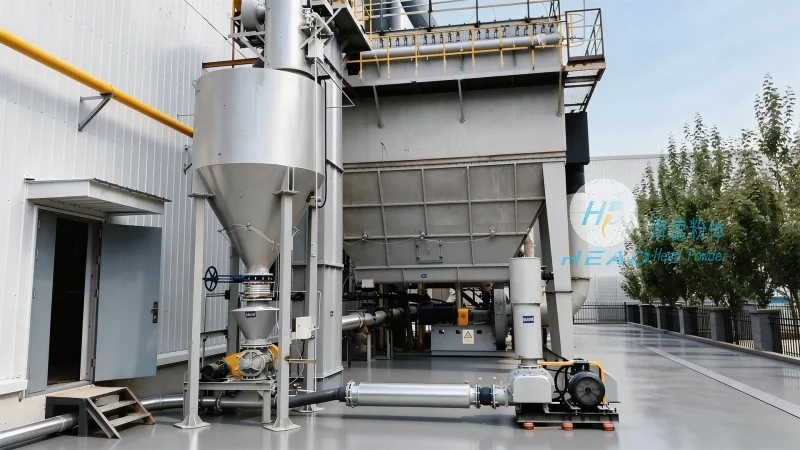
Introduction to Melamine Powder Material Handling
Melamine powder, a key raw material in various industries including plastics, resins, and coatings, requires specialized handling due to its fine particle size and potential for dust generation. Proper material handling systems are essential to prevent product contamination, ensure worker safety, and maintain consistent product quality. The design of melamine powder handling systems must consider factors such as dust control, material flow, and environmental compatibility. Companies like Shandong HeadPowder Engineering Co., Ltd., based in China, specialize in developing tailored solutions for melamine powder material handling, leveraging years of experience in the field.
Principle of Melamine Powder Material Handling Systems
The core principle of melamine powder material handling involves the controlled movement of fine particles from one location to another within an industrial setting. This process typically includes several key components: storage, feeding, conveying, and discharge. Storage systems, such as silos or hoppers, are designed to hold large quantities of melamine powder while minimizing dust exposure. Feeding mechanisms, like rotary valves or screw feeders, regulate the flow of powder into the conveying system. Conveying methods may include pneumatic systems (air-assisted transport) or mechanical systems (belt conveyors, bucket elevators), each chosen based on the specific requirements of the application. The discharge process ensures that the powder is delivered to the next stage of production or storage without loss or contamination.
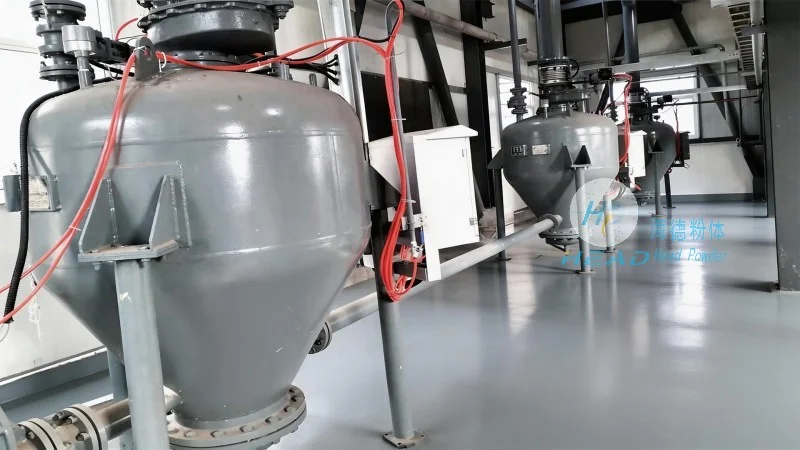
Working Scene Characteristics of Melamine Powder Handling
The working environments where melamine powder handling systems operate often present unique challenges that influence system design and performance. Key characteristics include:
- High Dust Levels: Melamine powder is prone to generating fine dust, which can pose health risks and affect equipment performance. Effective dust control measures, such as enclosed systems and filtration, are critical to maintaining a safe working environment.
- Static Electricity: Fine powders like melamine can accumulate static electricity, leading to electrostatic discharge (ESD) hazards. Anti-static materials and grounding systems are essential to prevent sparks and ensure safe operation.
- Temperature and Humidity: The handling of melamine powder may occur in environments with varying temperature and humidity levels. Proper system design, including temperature control and moisture management, helps maintain powder quality and prevent caking or agglomeration.
- Space Constraints: Industrial facilities often have limited space, requiring compact and efficient material handling solutions. Modular and flexible systems allow for adaptation to different production layouts and future expansion needs.
Application Scenarios and Industry Use Cases
Melamine powder handling systems are widely used across various industries, with applications ranging from manufacturing to chemical processing. For example, in the plastics industry, melamine is used as a filler or additive in resin formulations, requiring precise powder transport to mixing and extrusion equipment. In the coatings industry, melamine powder is incorporated into paint formulations, necessitating reliable handling to ensure consistent pigment distribution. Additionally, in the agricultural sector, melamine-based products may be used as animal feed additives, requiring safe and hygienic material handling to prevent contamination.
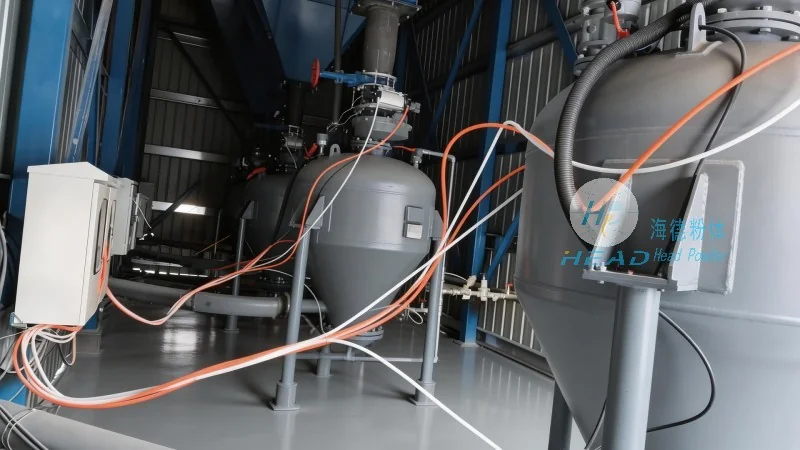
Key Considerations for Selecting a Melamine Powder Handling System
When selecting a melamine powder handling system, several factors must be considered to ensure optimal performance and safety. These include:
- Material Compatibility: The system components must be compatible with melamine powder to prevent corrosion or chemical reactions. Materials such as stainless steel or special coatings are commonly used to withstand the abrasive and corrosive nature of the powder.
- Flow Control: Precise control of powder flow is essential to avoid overloading or underloading of equipment. Variable speed drives and adjustable feed mechanisms help maintain consistent flow rates, reducing the risk of blockages or uneven distribution.
- Dust Management: Comprehensive dust control measures, including local exhaust ventilation (LEV) and filtration systems, are necessary to comply with environmental regulations and protect worker health. Enclosed systems and sealed connections minimize dust emissions and improve air quality.
- System Integration: Integration with existing production lines and automation systems is crucial for seamless operation. Compatibility with sensors, control panels, and data logging systems enables real-time monitoring and process optimization.
Conclusion
Efficient melamine powder material handling is a critical component of industrial operations, ensuring product quality, worker safety, and operational efficiency. By understanding the principles and working scene characteristics of such systems, industries can select appropriate solutions tailored to their specific needs. Companies like Shandong HeadPowder Engineering Co., Ltd., with their expertise in material handling systems, provide customized solutions that address the unique challenges of melamine powder transport. As industries continue to evolve, the importance of reliable and safe material handling systems for melamine powder will remain a priority in maintaining competitive advantage and operational excellence.