

Principle and Working Scene Characteristics of Positive Pressure Blown Material Handling Systems
Positive pressure blown material handling systems represent a sophisticated solution for the efficient and reliable transport of bulk materials across various industrial applications. This technology, often referred to as positive pressure conveying, is designed to move powders, granules, and other particulate materials from a source to a destination through a pressurized air system. The core principle involves generating a positive pressure within a sealed pipeline, which forces the material to move in the direction of the pressure gradient. This method offers several advantages over traditional vacuum or gravity-based systems, including higher material throughput, reduced energy consumption, and improved safety by eliminating the risk of dust inhalation during operation.
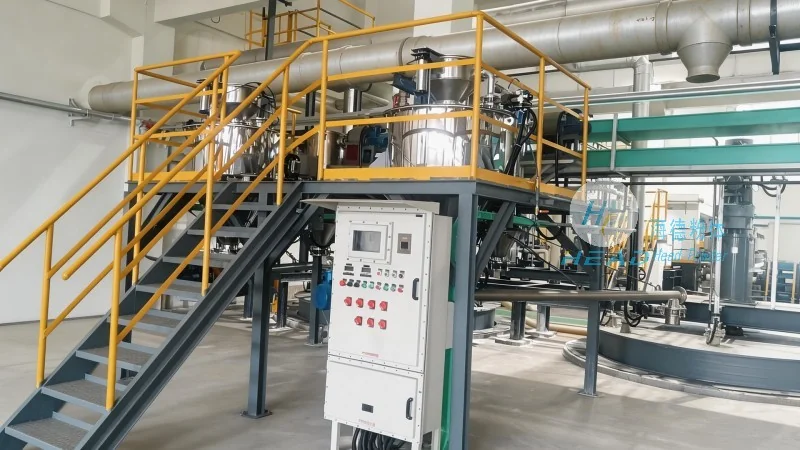
Principle of Positive Pressure Blown Material Handling Systems
The fundamental operation of a positive pressure system relies on an industrial blower or fan that supplies compressed air to a network of pipes. The air is introduced at the material inlet, creating a pressure differential that propels the material forward. Key components include the blower unit, material feed hopper, airlock valves, and the conveying pipeline. The airlock valves are critical as they prevent backflow of material and maintain the pressurized environment. The system is typically designed with a closed loop, ensuring that all material is contained within the pipeline, minimizing environmental contamination and health risks associated with airborne dust.
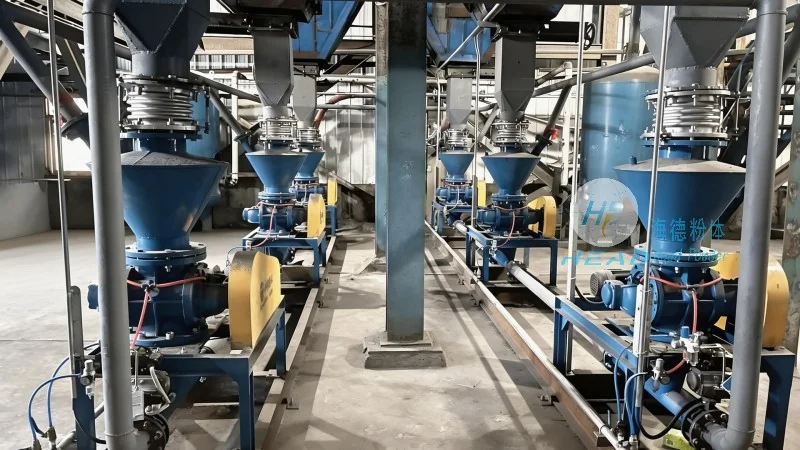
Key Working Scene Characteristics
Positive pressure systems are widely adopted in industries where material integrity and safety are paramount. In the pharmaceutical and food processing sectors, for instance, these systems are essential for transporting sensitive powders without compromising their quality or safety. The enclosed, pressurized environment prevents contamination from external sources and ensures that the material remains in a controlled state throughout the conveying process. In the chemical industry, such systems are used for handling abrasive or corrosive materials, as the sealed pipeline protects both the material and the equipment from damage. Additionally, the high material flow rates achieved with positive pressure conveyors make them suitable for large-scale production lines, where efficiency and throughput are critical.
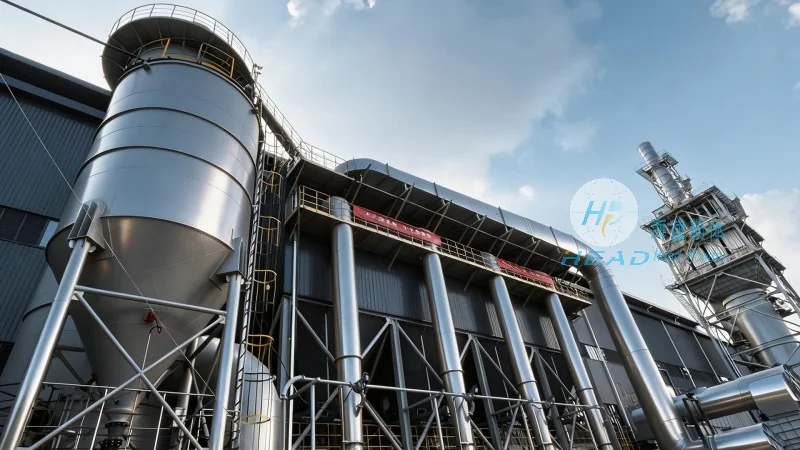
Application Examples and Operational Benefits
One of the most common applications of positive pressure systems is in the food and beverage industry, where they are used to transport ingredients like flour, sugar, and spices. The system's ability to maintain a sterile environment, combined with its gentle handling of delicate materials, makes it ideal for these applications. In the chemical manufacturing sector, these systems are employed to convey raw materials such as powders and granules to processing units. The high pressure and controlled flow ensure that the material is delivered consistently, reducing downtime and improving production efficiency. Another notable application is in the mining and minerals industry, where positive pressure conveyors are used to transport bulk materials from storage silos to processing plants. The robust design of these systems allows them to handle heavy and abrasive materials, making them a reliable choice for demanding environments.
Advantages Over Traditional Conveying Methods
Compared to vacuum systems, positive pressure conveyors offer several distinct advantages. Vacuum systems often require more energy to operate and can generate higher levels of dust, which poses health risks to workers. In contrast, positive pressure systems are more energy-efficient and provide a safer working environment by containing the material within the pipeline. Additionally, positive pressure systems can handle a wider range of materials, including those that are difficult to convey with vacuum, such as sticky or cohesive powders. The ability to maintain a positive pressure also reduces the risk of material clogging, as the air flow continuously moves the material through the system. This results in lower maintenance costs and increased system reliability.
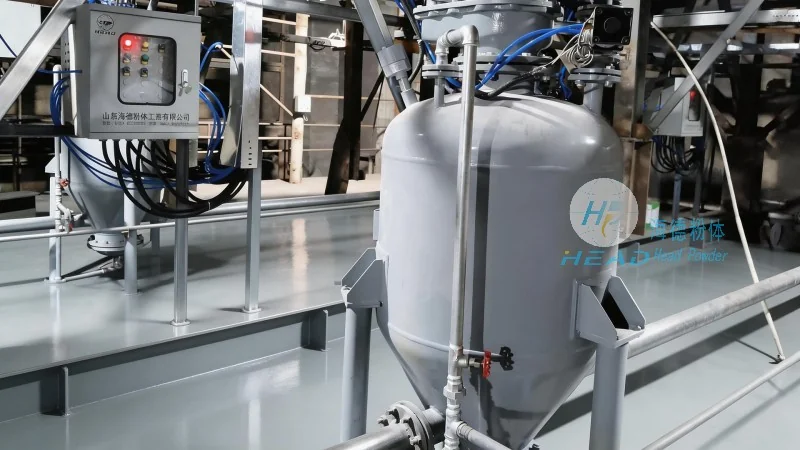
About Shandong HeadPowder Engineering Co., Ltd.
As a leading manufacturer of material handling solutions, Shandong HeadPowder Engineering Co., Ltd. specializes in designing and supplying positive pressure blown material handling systems tailored to the specific needs of various industries. With years of experience in the field, the company has developed a reputation for delivering high-quality, reliable equipment that meets international standards. The company's team of engineers and technicians work closely with clients to understand their operational requirements and provide customized solutions that enhance productivity and safety. HeadPowder's commitment to innovation and customer satisfaction has made it a trusted partner for businesses seeking efficient material transport solutions. Based in Shandong, China, the company leverages its local expertise and manufacturing capabilities to deliver products that are both cost-effective and technologically advanced.