

Principle and Working Scene Characteristics of Wheat Bran Material Handling Systems
Wheat bran, a byproduct of the milling process, is a valuable material used in various industries such as animal feed, biofuel production, and food processing. Efficient and reliable material handling systems are crucial for optimizing the processing workflow and ensuring consistent quality. This article explores the principle and working scene characteristics of wheat bran material handling systems, highlighting the technical solutions provided by Shandong HeadPowder Engineering Co., Ltd., a leading manufacturer based in Shandong, China.
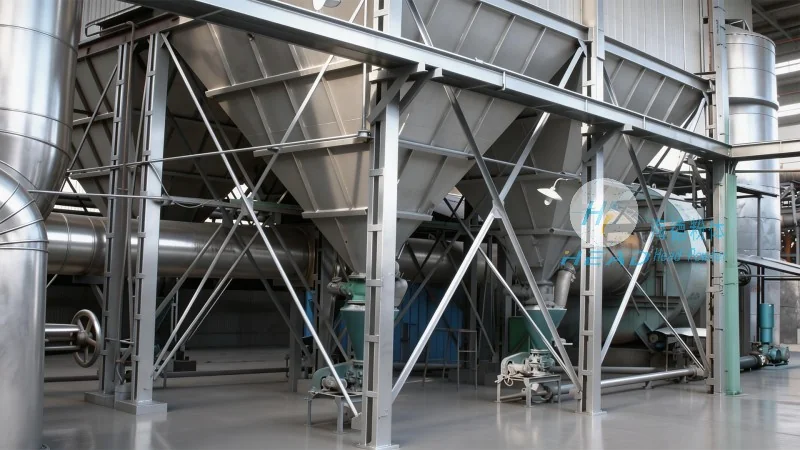
Company Overview: HeadPowder
Shandong HeadPowder Engineering Co., Ltd. specializes in the design, manufacturing, and installation of advanced material handling equipment tailored for the grain and food processing sectors. With years of experience and a commitment to innovation, HeadPowder has established itself as a trusted partner for businesses seeking efficient solutions for handling bulk materials like wheat bran. The company's headquarters is located in Shandong, China, where it leverages local expertise and resources to deliver high-quality products and services.
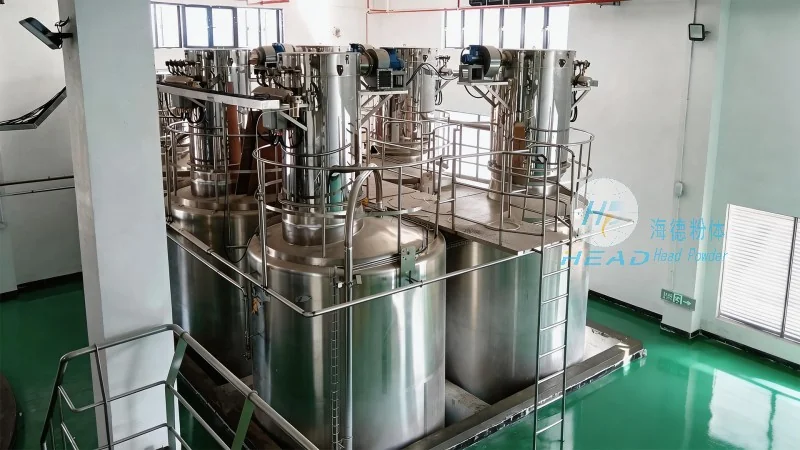
The Principle of Wheat Bran Material Handling Systems
Wheat bran material handling systems are engineered to transport, store, and process wheat bran with precision and efficiency. The core principle involves the use of specialized equipment such as conveyors, elevators, and storage silos, which work in tandem to manage the material flow. Key components include belt conveyors for horizontal transport, bucket elevators for vertical lifting, and pneumatic conveying systems for long-distance or dusty environments. These systems are designed to handle the unique properties of wheat bran, including its lightweight, fine texture, and potential for dust generation. The integration of sensors and control systems ensures smooth operation, preventing material blockages and maintaining consistent speed and pressure throughout the process.
Working Scene Characteristics
The application scenarios of wheat bran material handling systems vary widely based on the specific needs of the processing facility. In large-scale flour mills, for instance, the system may be integrated into the main production line to transport bran from the milling section to storage silos or downstream processing units. The design of the system must accommodate high throughput rates, often exceeding several tons per hour, to meet the demands of continuous production. In animal feed plants, the material handling system may focus on feeding bran to mixing equipment, where it is combined with other ingredients to create balanced feed formulations. The working scene characteristics also include considerations for space constraints, as many processing facilities operate in compact environments where equipment must be compact and adaptable. Additionally, the system must comply with safety regulations, particularly regarding dust control and explosion prevention, as wheat bran is a combustible material in certain conditions.
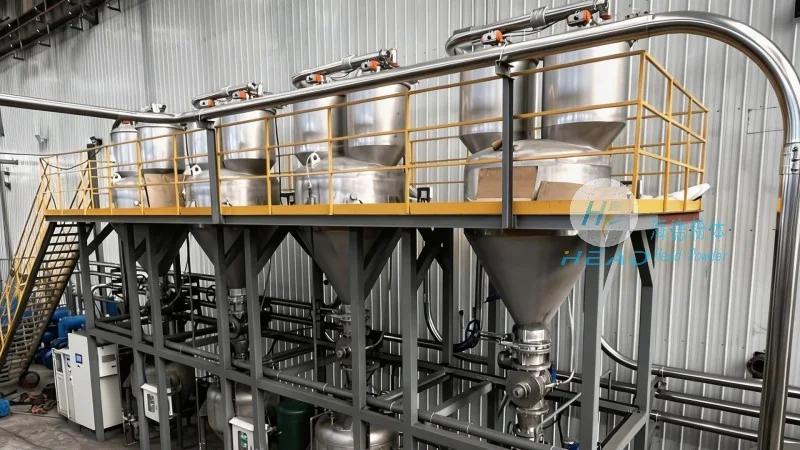
Technical Advantages and Features
HeadPowder's wheat bran material handling systems offer several technical advantages that enhance operational efficiency and reliability. The use of high-quality materials, such as stainless steel and corrosion-resistant components, ensures durability and resistance to the abrasive nature of wheat bran. Advanced control systems, including PLC (Programmable Logic Controller) technology, enable automated operation and real-time monitoring of the system's performance. This allows for quick adjustments to maintain optimal conditions and minimize downtime. The systems are also designed for easy maintenance, with accessible components and modular design that facilitate repairs and upgrades. Furthermore, HeadPowder provides customized solutions tailored to the specific requirements of each client, ensuring that the material handling system meets the unique challenges of their working environment.