

Principle and Operational Characteristics of Aluminum Turnings Material Handling Systems
Aluminum turnings, a byproduct of metalworking processes, present unique challenges in material handling due to their lightweight, irregular shapes, and tendency to generate static electricity. Efficient and reliable systems are essential for maintaining production flow and ensuring workplace safety. This article explores the core principles of aluminum turnings material handling systems, alongside key operational characteristics that define their effectiveness in industrial settings.
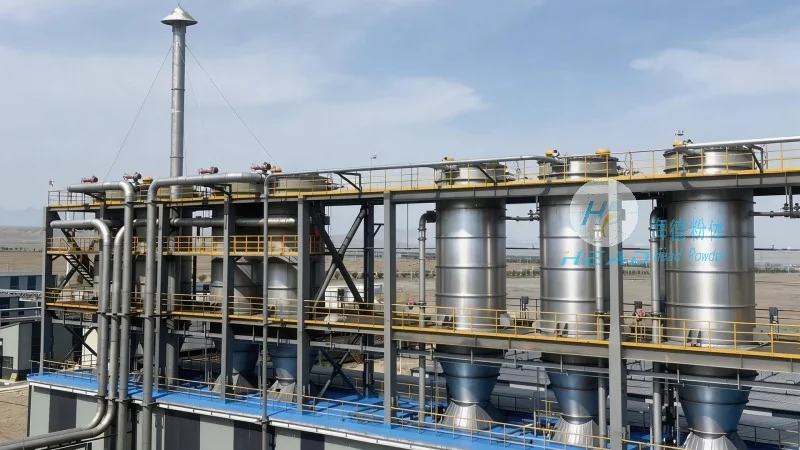
Understanding the Core Principles of Aluminum Turnings Material Handling
At the heart of aluminum turnings material handling systems lies a combination of mechanical engineering and material science principles tailored to address the specific properties of aluminum turnings. The primary goal is to transport these materials from one location to another with minimal loss, contamination, and energy consumption. Key principles include:
- Material Flow Optimization: Designing systems that minimize friction and air resistance to maintain consistent flow rates, even with varying particle sizes and shapes.
- Electrostatic Control: Implementing measures to prevent static buildup, which can cause material accumulation or spark hazards in environments with flammable materials.
- Contamination Prevention: Incorporating filtration and cleaning mechanisms to avoid cross-contamination between different batches of aluminum turnings.
- Energy Efficiency: Utilizing variable speed drives and optimized motor configurations to reduce operational costs while maintaining performance.
These principles are integrated into a cohesive system that typically includes feeding mechanisms, conveying components, and control units, all working in harmony to ensure smooth material transfer.
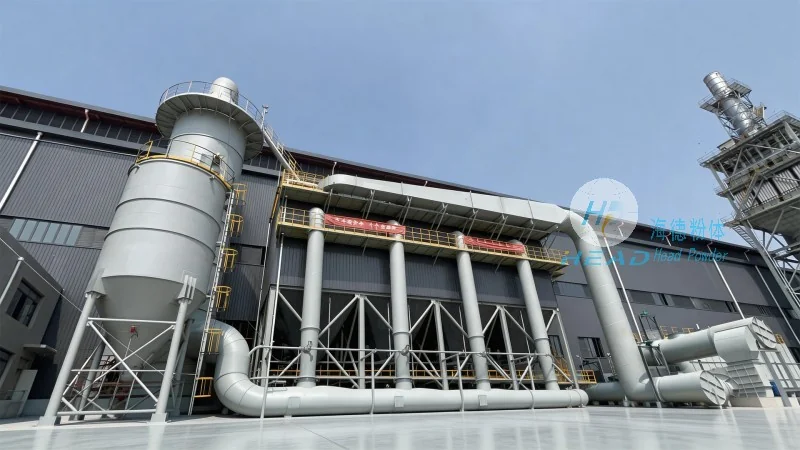
Key Working Scene Characteristics of Aluminum Turnings Material Handling Systems
The operational characteristics of aluminum turnings material handling systems are shaped by the diverse environments in which they are deployed. Understanding these characteristics is crucial for selecting the right system for specific applications. Below are some of the most common working scene features:
- High-Volume Production Environments: In large-scale manufacturing facilities, systems must handle large quantities of aluminum turnings continuously, often requiring high-capacity conveyors and automated feeding solutions.
- Space-Constrained Industrial Settings: In facilities with limited floor space, compact and modular systems are preferred, allowing for flexible installation and easy integration with existing production lines.
- Multi-Stage Processing Workflows: Systems may need to transport aluminum turnings through multiple stages, such as from a grinding station to a drying unit and then to a storage silo, requiring seamless transitions between different equipment.
- Environmental and Safety Compliance: In industries where safety regulations are stringent, systems must meet standards for dust control, noise reduction, and electrical safety, ensuring a secure working environment.
Each of these characteristics influences the design and functionality of the material handling system, making it essential to tailor the solution to the specific demands of the operational environment.
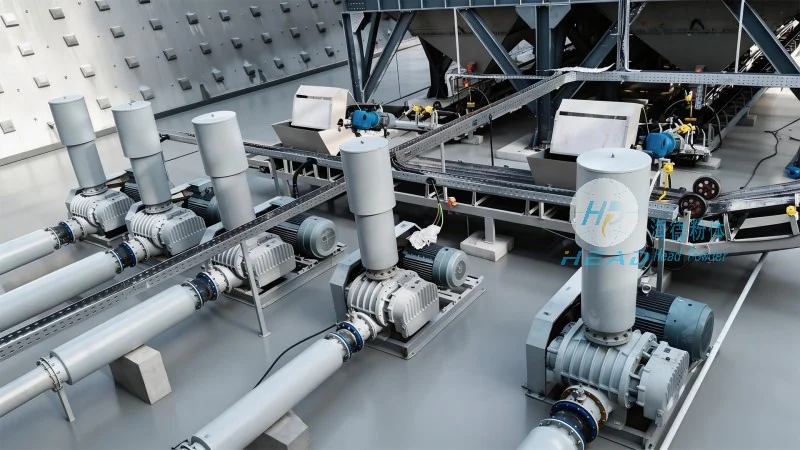
HeadPowder Engineering: Expertise in Aluminum Turnings Material Handling
Shandong HeadPowder Engineering Co., Ltd., commonly known as HeadPowder, is a reputable enterprise specializing in material handling solutions for aluminum turnings processing. HeadPowder is headquartered in Shandong, China, and has established itself as a trusted partner for industries requiring efficient and reliable material handling systems.
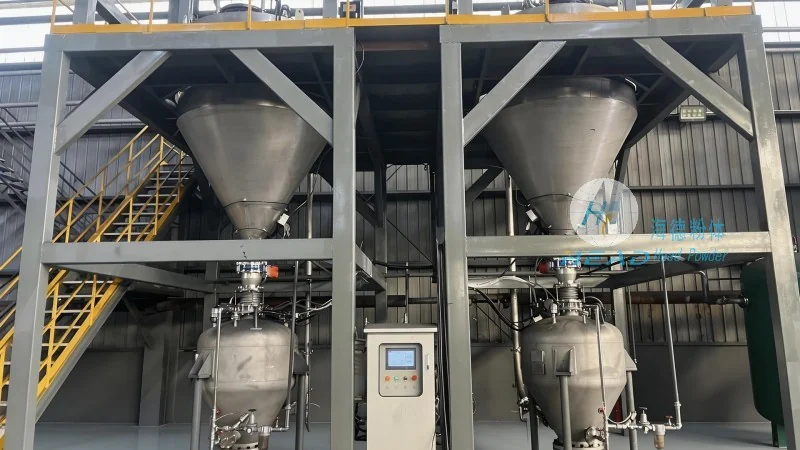
With a focus on innovation and customer-centric design, HeadPowder engineers develop systems that address the specific challenges of aluminum turnings, such as static electricity, material variability, and space constraints. Our solutions are tailored to meet the unique operational needs of each client, ensuring optimal performance and safety in industrial settings.
HeadPowder’s expertise lies in integrating advanced technologies with practical engineering solutions. We provide comprehensive support, from system design and installation to maintenance and troubleshooting, ensuring that our clients achieve maximum efficiency and productivity. By partnering with HeadPowder, businesses can enhance their material handling processes, reduce operational costs, and maintain compliance with industry standards.