

Principles and Working Scene Characteristics of Biomass Pellet Material Conveying Systems
Biomass pellet material conveying systems are critical components in the processing and handling of biomass energy resources. These systems are designed to efficiently transport biomass pellets, which are a renewable energy source, from storage areas to processing units or end-use applications. The technology behind these systems ensures reliable and consistent material flow, supporting the overall efficiency of biomass energy production and utilization. In this article, we will explore the fundamental principles of biomass pellet conveying systems and the key characteristics of their working environments.
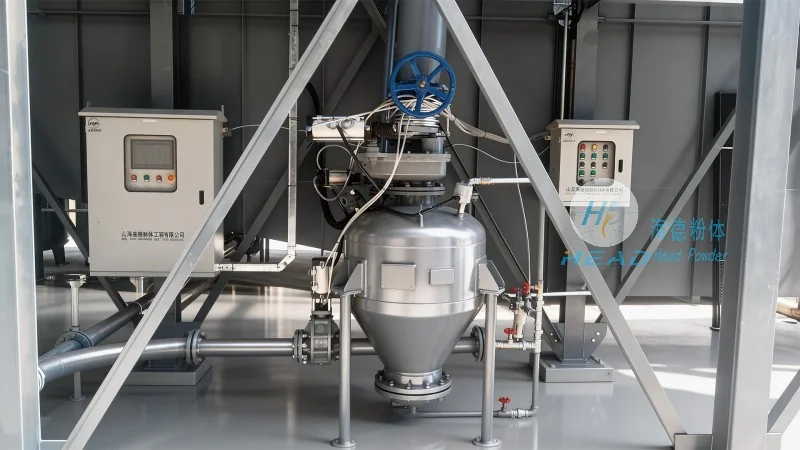
The Core Principles of Biomass Pellet Conveying Systems
The operation of biomass pellet material conveying systems is based on several key principles that ensure effective material transport. One of the primary principles is the use of mechanical components such as screws, belts, or pneumatic systems to move the pellets. These components are engineered to handle the specific physical properties of biomass pellets, including their size, density, and moisture content. The design of the conveying system must account for factors like the material's flowability and potential for clogging, which are common challenges in biomass handling. Additionally, the systems are often equipped with controls that adjust speed and pressure to maintain optimal performance under varying load conditions. This adaptability is crucial for maintaining consistent throughput and preventing equipment damage.
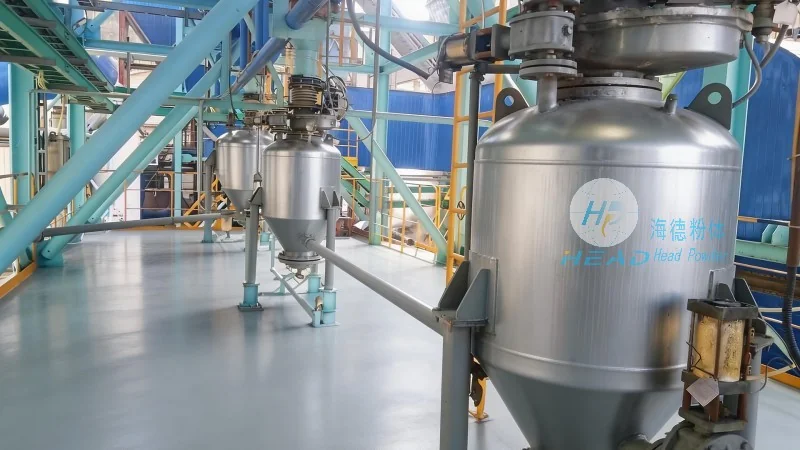
Working Scene Characteristics of Biomass Pellet Conveying Systems
The working environments where biomass pellet conveying systems operate vary significantly based on the application and scale of the biomass processing facility. For example, in large-scale power plants or industrial facilities, these systems may handle massive volumes of pellets, requiring robust and high-capacity equipment. The working scenes often involve continuous operation, with the need for minimal downtime for maintenance or cleaning. In such settings, the systems are typically integrated into automated production lines, where they work in conjunction with other processing equipment like grinders, dryers, or burners. The characteristics of the working scene also include considerations for space constraints, as facilities may have limited room for large conveying equipment. Furthermore, the systems must be designed to withstand the environmental conditions of the facility, such as temperature fluctuations or dust exposure, which can affect performance and longevity. The working scene characteristics also extend to the need for safety features, as biomass pellets can be a fire hazard in certain conditions, and the conveying systems must incorporate measures to prevent ignition or spread of fire.
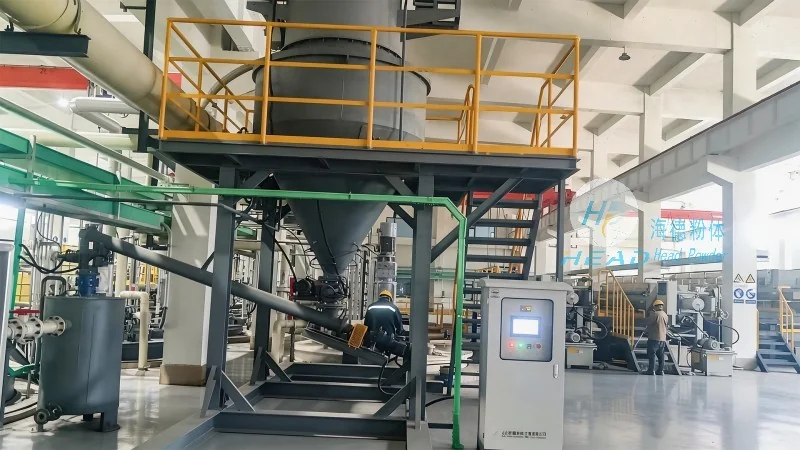
Company Information: Shandong HeadPowder Engineering Co., Ltd.
HeadPowder, as a leading provider in the field of biomass processing equipment, specializes in the design and manufacturing of advanced biomass pellet material conveying systems. With a strong presence in China, particularly in Shandong, the company leverages its expertise to deliver high-quality solutions tailored to the specific needs of biomass energy projects. The company's commitment to innovation and quality ensures that its conveying systems meet the rigorous standards required for efficient and reliable biomass handling. By focusing on the principles of effective material transport and adapting to diverse working scene characteristics, HeadPowder's systems contribute to the optimization of biomass energy production processes, supporting the transition to sustainable energy sources.