

Principle and Working Scene Characteristics of Sulfate Nickel Crystallization Material Conveying Sys
HeadPowder, a leading engineering company based in Shandong, China, specializes in the design and implementation of advanced material handling solutions for industrial applications. This article focuses on the principle and operational characteristics of sulfate nickel crystallization material conveying systems, which are critical components in the production and processing of nickel sulfate, a key raw material in the battery industry.
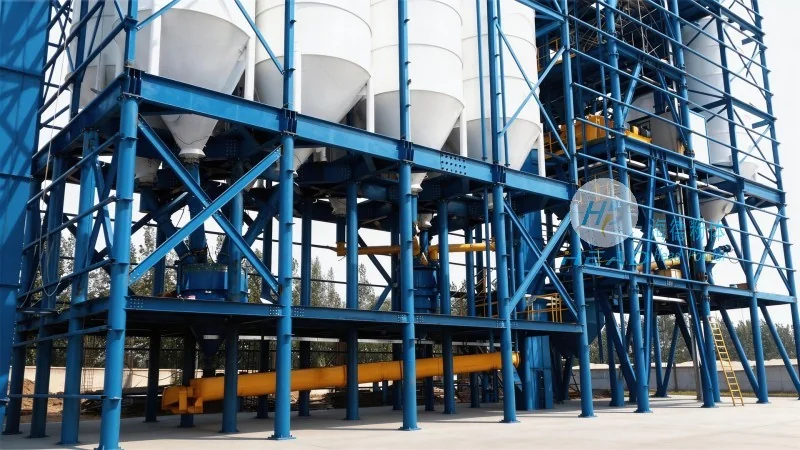
The Core Principle of Material Conveying in Sulfate Nickel Crystallization
The sulfate nickel crystallization material conveying system operates on the principle of efficient, continuous material transport from the crystallization reactor to subsequent processing stages. The system typically integrates several key components, including conveyor belts, screw conveyors, or pneumatic transport systems, each chosen based on the physical properties of the crystallized material—such as its moisture content, particle size, and flowability. For sulfate nickel, which often forms fine, hygroscopic crystals, the conveying method must ensure minimal material degradation and loss while maintaining a stable flow rate. The system’s design prioritizes durability and corrosion resistance, as nickel sulfate solutions and crystals can be chemically aggressive. HeadPowder’s engineering expertise ensures that the selected conveying equipment is optimized for the specific characteristics of the crystallization process, balancing efficiency with long-term reliability.
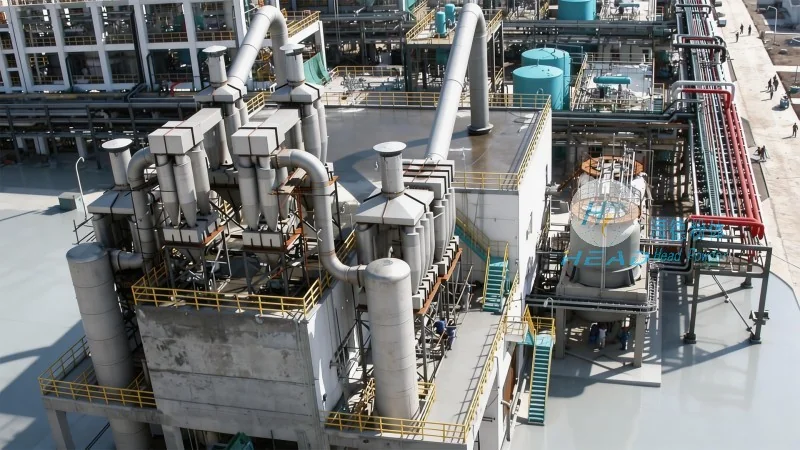
Working Scene Characteristics of the Conveying System
The operational environment of a sulfate nickel crystallization material conveying system is characterized by several key factors that influence system performance and maintenance. First, the system operates in a high-humidity, often warm environment due to the nature of the crystallization process, which can affect the material’s handling properties and equipment wear. Second, the system must handle potentially abrasive or corrosive materials, requiring specialized materials of construction for components like conveyor belts, hoppers, and chutes. Third, the system is typically integrated into a larger production line, where it must coordinate with other equipment such as crushers, classifiers, or drying units. This integration demands precise control mechanisms to maintain consistent material flow and prevent bottlenecks. HeadPowder’s systems are designed to address these challenges by incorporating features such as temperature-controlled conveying paths, corrosion-resistant materials (e.g., stainless steel or specialized polymers), and automated monitoring systems to ensure optimal performance under demanding conditions.
Key Design Considerations for Optimal Performance
When designing a sulfate nickel crystallization material conveying system, several critical factors must be considered to ensure the system meets operational requirements and maintains efficiency over time. One of the primary considerations is the material’s flowability, as fine crystals can be prone to bridging or caking in hoppers and chutes. To mitigate this, HeadPowder’s systems often incorporate vibration or agitator mechanisms to prevent material buildup and ensure smooth flow. Another key factor is the system’s ability to handle moisture, as sulfate nickel is hygroscopic and can absorb water from the air, affecting its physical properties and processing behavior. The conveying system may include drying or moisture control components to maintain consistent material characteristics. Additionally, the system must be designed for easy maintenance and cleaning, as the material can be sticky or corrosive, requiring regular upkeep to prevent equipment failure. HeadPowder’s engineering team employs advanced simulation and testing methods to optimize system design, ensuring that all components are compatible with the specific operational conditions of the nickel sulfate production facility.
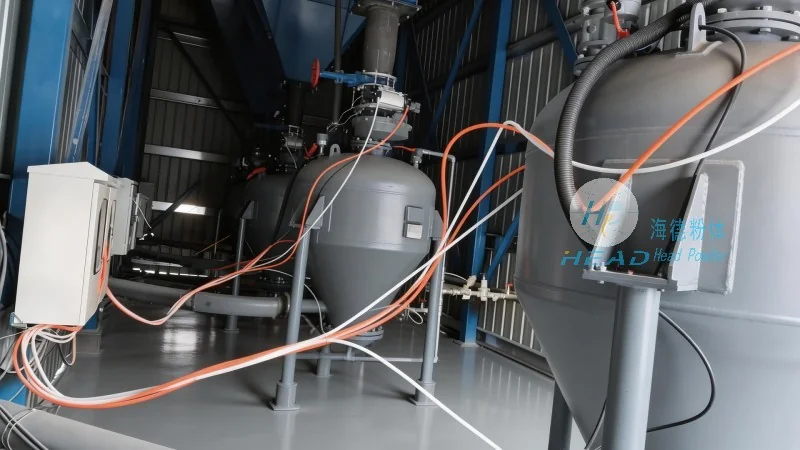
Conclusion: The Role of Advanced Conveying Systems in Sulfate Nickel Production
In conclusion, the sulfate nickel crystallization material conveying system is a vital component of modern nickel sulfate production facilities, enabling efficient and reliable transport of crystallized material from the reactor to downstream processing stages. HeadPowder’s expertise in designing and implementing these systems ensures that clients receive solutions tailored to their specific operational needs, balancing performance, durability, and cost-effectiveness. By addressing the unique challenges of handling hygroscopic and corrosive materials, HeadPowder’s conveying systems contribute to the overall efficiency and sustainability of nickel sulfate production, supporting the growing demand for battery materials in the global market.