

Principle and Working Scene Characteristics of Manganese Sulfate Material Handling Equipment
Understanding the operational principles and application scenarios of manganese sulfate material handling equipment is crucial for optimizing industrial processes in various sectors. This article delves into the core mechanisms behind such equipment and highlights key characteristics that define its effectiveness in real-world industrial settings.
Principle of Manganese Sulfate Material Handling Equipment
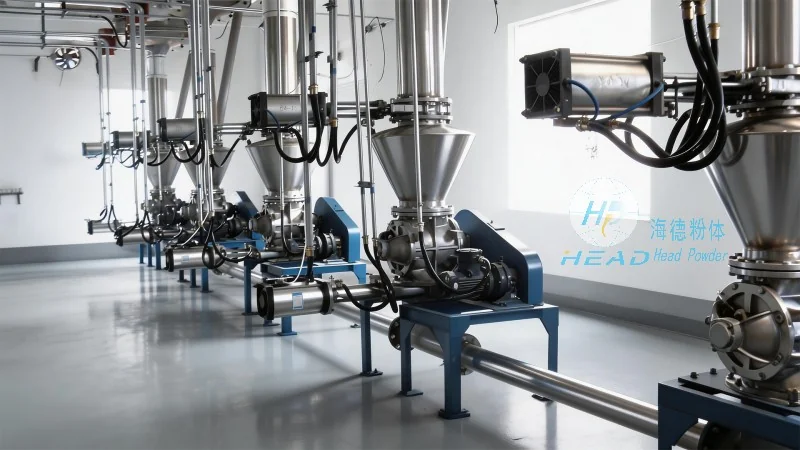
Manganese sulfate material handling equipment operates on fundamental principles of material transport, often integrating mechanical, hydraulic, or pneumatic systems to move bulk materials efficiently. The core components typically include feed mechanisms, conveying systems, and control units that work in tandem to ensure smooth material flow. For instance, belt conveyors, screw conveyors, and bucket elevators are commonly used in manganese sulfate handling, each leveraging different physical forces—such as gravity, friction, or mechanical drive—to transport the material from one location to another. The equipment is designed to handle the specific properties of manganese sulfate, including its granular or powdered form, ensuring minimal degradation or segregation during transport. Advanced models may incorporate features like variable speed drives, which allow for precise control over the conveying rate, adapting to varying production demands. Additionally, safety features such as overload protection and emergency stop buttons are integrated to prevent accidents and ensure operational reliability. The principle of energy efficiency is also a key consideration, with many modern systems employing energy-saving technologies to reduce operational costs while maintaining performance.
Working Scene Characteristics of Manganese Sulfate Material Handling Equipment
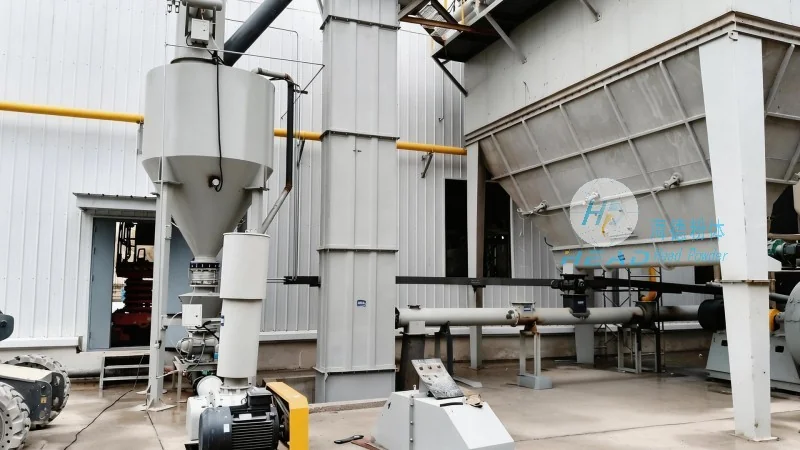
The application scenarios of manganese sulfate material handling equipment are diverse, spanning industries like battery manufacturing, fertilizer production, and chemical processing. In battery manufacturing, for example, manganese sulfate is a critical raw material for lithium-ion batteries, and the equipment must handle high-purity powders with precision to meet stringent quality standards. The working environment in such settings often involves strict contamination control, requiring equipment with sealed designs and easy-to-clean surfaces to prevent cross-contamination. In fertilizer production, the equipment may need to handle larger quantities of manganese sulfate, often in bulk form, and may be integrated into larger material handling systems that include storage silos and processing units. The working scene characteristics also include considerations of space constraints and environmental factors, as many industrial facilities operate in confined areas with limited access for maintenance. The equipment's durability and resistance to corrosion are essential in these environments, as manganese sulfate can be hygroscopic and may cause wear on metal components over time. Furthermore, the working scene may involve integration with other industrial machinery, such as mixers or reactors, requiring seamless coordination between systems to maintain production continuity. The characteristics of the working scene, including the scale of operation, material properties, and environmental conditions, directly influence the choice of equipment type and its design specifications. For instance, in small-scale laboratory settings, a compact screw conveyor may suffice, whereas in large-scale industrial plants, a heavy-duty belt conveyor system is more appropriate. The adaptability of the equipment to different working conditions is a key factor in its effectiveness, enabling it to perform reliably across various industrial applications.
Key Features and Advantages in Industrial Applications
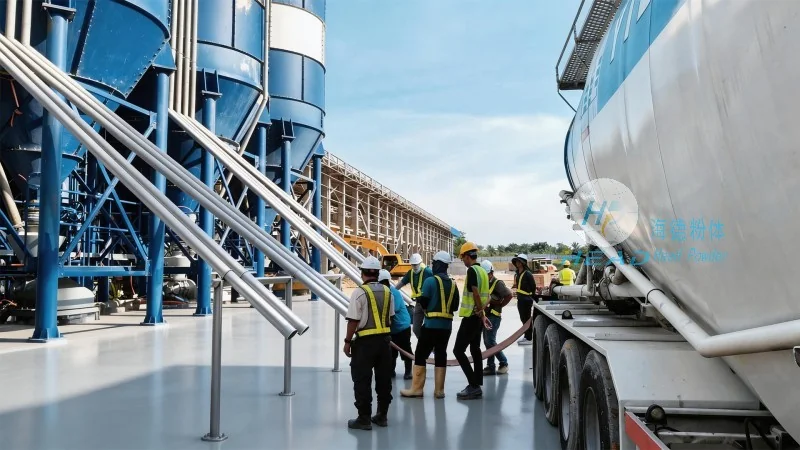
When evaluating manganese sulfate material handling equipment, several key features and advantages stand out, contributing to its widespread adoption in industrial settings. One of the primary advantages is its ability to handle bulk materials efficiently, reducing labor costs and improving production throughput. The equipment's design allows for continuous operation, minimizing downtime and enhancing overall productivity. Additionally, the integration of automation and control systems enables real-time monitoring and adjustment of the conveying process, ensuring optimal performance and reducing human error. The equipment's durability and low maintenance requirements are also significant benefits, as they reduce operational costs and extend the equipment's service life. In terms of safety, modern manganese sulfate material handling equipment incorporates multiple safety features, such as emergency stop buttons, overload protection, and enclosed designs, to prevent accidents and protect operators. The adaptability of the equipment to different material properties, including varying particle sizes and moisture content, is another key advantage, as it can be customized to meet specific production needs. Furthermore, the equipment's energy efficiency, achieved through features like variable speed drives and energy-saving motors, contributes to lower operational costs and reduced environmental impact. These features collectively make manganese sulfate material handling equipment a reliable and efficient solution for industrial material transport, supporting the smooth operation of various production processes.