

Principle and Working Scene Characteristics of Pneumatic Conveyors for Casting Gray Materials
HeadPowder, a leading engineering company based in Shandong, China, specializes in the design and manufacturing of advanced pneumatic conveying systems tailored for industrial applications. This article explores the fundamental principles behind pneumatic conveyors used for transporting casting gray materials, along with the key characteristics of their operational environments.
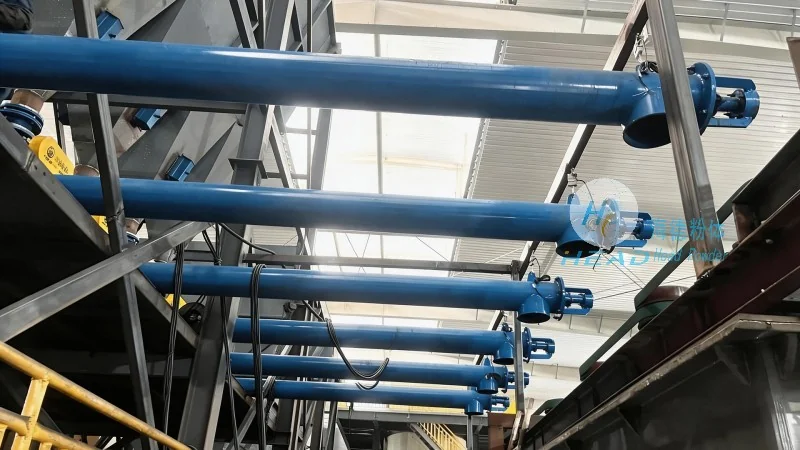
Introduction to Pneumatic Conveying Systems for Casting Gray Materials
Pneumatic conveying, also known as pneumatic transport, is a method of transporting bulk materials through a pipeline using a stream of pressurized or vacuum air. In the context of casting gray materials—such as fly ash, slag, or other fine particulate byproducts from foundries—this technology offers a highly efficient and flexible solution for material handling. The core principle involves creating a flow of air within a sealed pipeline, which propels the material particles forward, eliminating the need for mechanical components like belts or buckets that are common in traditional conveying systems.
Key Principles of Pneumatic Conveying for Casting Gray Materials
The operation of a pneumatic conveyor for casting gray materials relies on several critical principles. First, the system generates a pressure differential—either by using a positive pressure blower or a vacuum pump—to move the material. Positive pressure systems push air and material through the pipeline, while negative pressure systems draw material into the system using a vacuum. For casting gray materials, which are often fine and abrasive, the choice of system (e.g., dilute phase or dense phase) is crucial. Dilute phase systems use high air velocities to keep particles suspended, suitable for long-distance transport, whereas dense phase systems use lower velocities and higher material concentration to minimize particle degradation and system wear.
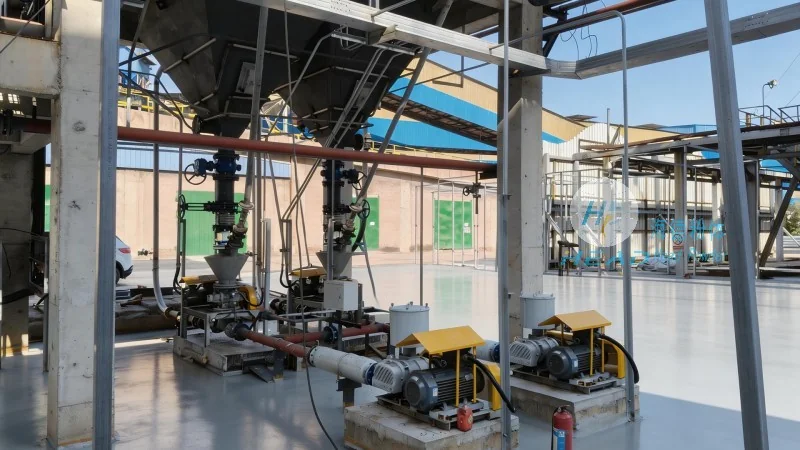
Another key principle is the design of the conveying line and components. The pipeline must be constructed from materials resistant to corrosion and abrasion, such as stainless steel or high-grade alloys, to withstand the abrasive nature of casting gray materials. The system also includes key components like feeders, separators, and filters to ensure efficient material transfer and prevent system blockages. For example, a rotary valve or screw feeder can control the material flow rate, while a cyclone separator can separate the material from the air stream, allowing for recycling of the air or disposal of the material.
Working Scene Characteristics of Pneumatic Conveyors for Casting Gray Materials
The operational environments where pneumatic conveyors for casting gray materials are applied vary widely, but they typically share common characteristics that influence system design and performance. One primary characteristic is the need to handle fine, powdery materials that are prone to dust generation and caking. In foundries, these materials are often produced as byproducts of metal casting processes and require efficient collection and transport to storage or disposal areas. The working scenes may include high-temperature environments, where the material has been heated during the casting process, or areas with high humidity, which can affect material flow properties.
Another important characteristic is the scale of operation. Pneumatic conveyors can be designed for both small-scale applications, such as transporting material from a single casting machine to a storage silo, or large-scale systems that handle multiple sources of casting gray materials across a production facility. The flexibility of pneumatic systems allows them to integrate with existing infrastructure, adapting to the layout of the foundry or industrial plant. For instance, in a large foundry with multiple casting lines, a network of interconnected pneumatic conveyors can collect material from each line and transport it to a central processing or storage area, optimizing material flow and reducing labor costs.
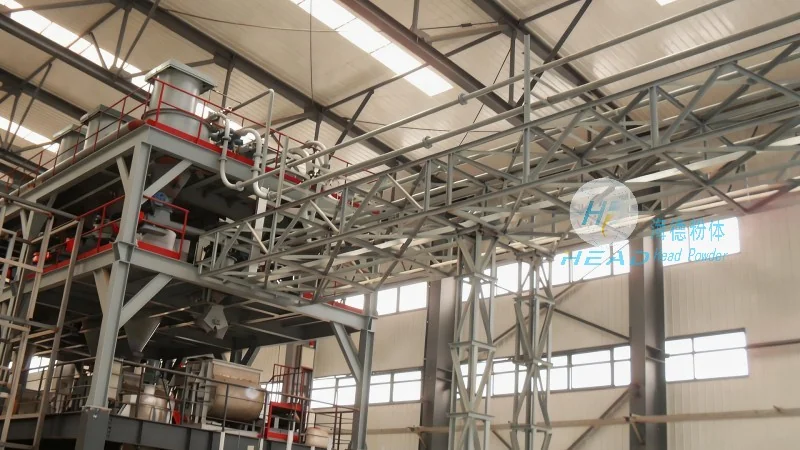
Environmental considerations also play a significant role in the working scene characteristics. Pneumatic conveyors are often preferred over traditional methods because they can minimize dust emissions and improve air quality in the workplace. By containing the material within a sealed pipeline, the system reduces the risk of dust exposure to workers and minimizes environmental impact. Additionally, the ability to recycle the air stream in some systems further enhances environmental performance, reducing energy consumption and waste.
Advantages and Applications in Casting Gray Material Handling
When applied to casting gray materials, pneumatic conveyors offer several advantages that make them an ideal choice for industrial operations. One of the most significant benefits is the ability to handle fine, abrasive materials without causing excessive wear on system components. Unlike mechanical conveyors, which may require frequent maintenance due to component wear, pneumatic systems can operate for longer periods with minimal downtime. This translates to lower maintenance costs and higher overall system reliability.
Efficiency is another key advantage. Pneumatic conveyors can transport materials over long distances with minimal energy consumption, especially when using dense phase systems. The system's ability to maintain a consistent flow rate and material concentration ensures reliable performance, even with varying material feed rates. This makes them suitable for continuous production processes in foundries, where consistent material supply is critical for maintaining production schedules.
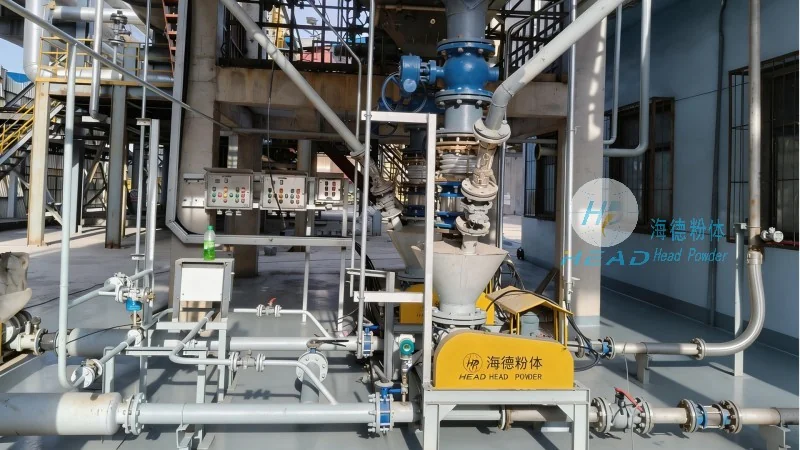
The flexibility of pneumatic systems also allows for easy integration with other industrial processes. For example, casting gray materials can be conveyed directly to a pelletizing or recycling system, where they are processed into reusable products. This integration reduces waste and enhances the sustainability of the foundry operation. Additionally, the ability to adjust system parameters, such as air pressure or flow rate, allows operators to optimize performance based on the specific characteristics of the material being handled.
Conclusion
In conclusion, pneumatic conveyors for casting gray materials are a highly effective and versatile solution for industrial material handling. By leveraging the principles of air flow and pressure differential, these systems efficiently transport fine, abrasive materials while minimizing wear and environmental impact. The working scene characteristics of foundries and industrial plants, including high-temperature environments, large-scale operations, and environmental regulations, make pneumatic conveyors an ideal choice for optimizing material flow and improving overall operational efficiency. As a leading provider of engineering solutions, HeadPowder continues to innovate in the design of pneumatic conveying systems, ensuring that foundries and industrial facilities can meet their material handling needs with reliable, efficient, and sustainable technology.