

Principle and Working Scene Characteristics of Pneumatic Conveying Equipment for Glass Waste Materia
HeadPowder, a leading engineering company based in Shandong, China, specializes in the design and manufacturing of advanced pneumatic conveying systems tailored for handling glass waste materials. This article delves into the fundamental principles of such equipment and highlights the key characteristics of its application scenarios.
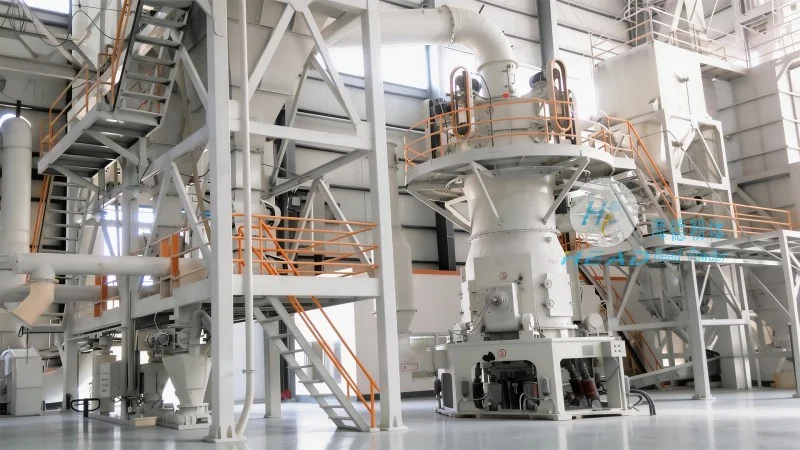
Overview of Pneumatic Conveying for Glass Waste
Pneumatic conveying systems are essential for efficiently transporting glass waste from collection points to processing facilities. These systems utilize air pressure or vacuum to move bulk materials through a pipeline network, offering a flexible and cost-effective solution compared to traditional mechanical conveyors. The primary goal is to ensure safe, reliable, and efficient material transport while minimizing environmental impact and operational downtime.
The Working Principle of Glass Waste Pneumatic Conveying Equipment
The core mechanism of glass waste pneumatic conveying involves the creation of a flow of air within a closed pipeline system. There are two main operational modes: suction (or vacuum) and pressure (or positive) systems. In suction systems, a vacuum is generated at the material inlet to draw glass waste into the pipeline. This method is ideal for applications where the material source is elevated or requires gentle handling. Conversely, pressure systems use compressed air to push the material through the pipeline, typically suitable for horizontal or slightly inclined transport over longer distances.
Within the pipeline, glass waste particles are suspended by the air flow, preventing blockages and ensuring smooth transport. The system typically includes components such as a material hopper, an air lock (for controlling material flow), a conveying pipeline, and a receiver or discharge point. The air velocity and pressure are carefully controlled to maintain optimal material suspension and prevent particle degradation or loss of material.
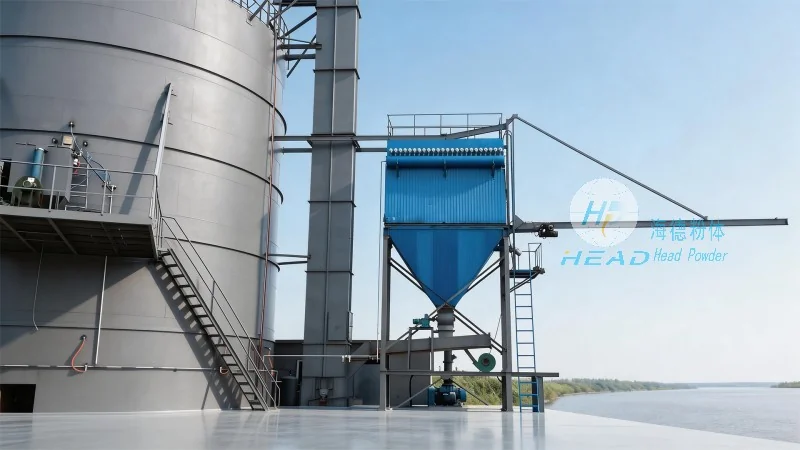
Key Characteristics of Working Scenarios for Glass Waste Pneumatic Conveying
The application of glass waste pneumatic conveying equipment varies significantly based on the specific industrial environment and operational requirements. Several key characteristics define these working scenarios:
1. Material Handling Capacity and Flow Rate: The system's design must accommodate the volume and flow rate of glass waste. For high-volume applications, such as in large-scale recycling plants, the equipment is engineered to handle substantial material throughput, often with adjustable flow control mechanisms to match production demands.
2. Environmental and Safety Considerations: Glass waste can be sharp and abrasive, posing risks to equipment and personnel. Pneumatic conveying systems are designed with robust materials and protective features to minimize wear and ensure safe operation. Additionally, the system's enclosed pipeline design helps contain dust and prevent environmental contamination, aligning with stringent industrial safety and environmental regulations.
3. Space and Layout Flexibility: Unlike traditional conveyors that require fixed routes, pneumatic conveying systems offer greater flexibility in terms of layout and space utilization. They can be installed in complex or constrained environments, such as within existing factory structures or in areas with limited vertical or horizontal space. This adaptability makes them suitable for retrofitting into existing facilities or for new plant designs.
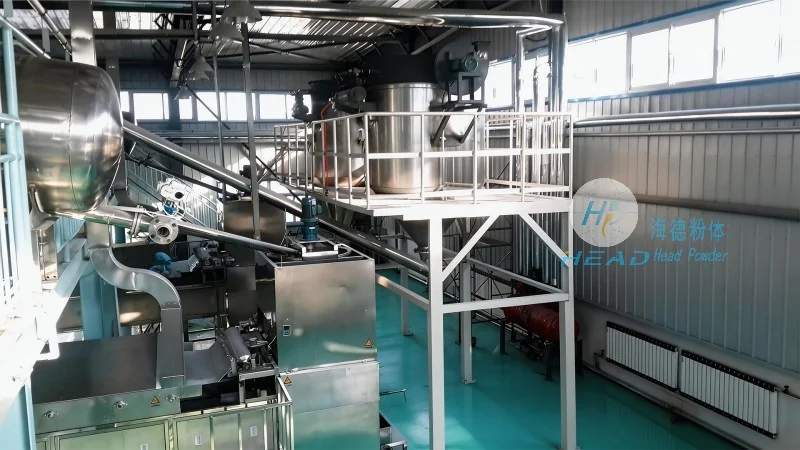
4. Integration with Processing Facilities: The equipment is often integrated with downstream processing steps, such as sorting, crushing, or recycling. The design of the conveying system ensures that glass waste is delivered to the processing equipment in a controlled manner, maintaining consistent material quality and flow. This integration enhances overall plant efficiency and reduces the need for manual handling, which is both labor-intensive and hazardous.
Application Examples and Industry Impact
HeadPowder's pneumatic conveying solutions for glass waste have been successfully implemented in various industrial settings. For instance, in a glass recycling plant, the system efficiently transports crushed glass from a storage hopper to a sorting machine, ensuring a steady supply of material for the recycling process. In another application, the equipment is used in a waste management facility to move glass waste from collection bins to a compactor or transfer station. These examples illustrate the versatility and effectiveness of pneumatic conveying in optimizing glass waste handling operations.
The adoption of such systems not only improves operational efficiency but also contributes to sustainable waste management practices. By enabling the efficient collection and processing of glass waste, these systems support the circular economy and reduce the environmental footprint of glass production and disposal.