

Principle and Working Scene Characteristics of Air-Driven Fine Coal Powder Material Conveying Equipm
For industrial applications requiring the efficient and reliable transport of fine coal powder, air-driven conveying systems offer a sophisticated solution. This article explores the fundamental principles behind such equipment, alongside the key working scene characteristics that define its operational effectiveness. By understanding these aspects, stakeholders in the mining, power generation, and material processing sectors can better evaluate how air-driven conveyors enhance productivity and operational safety.
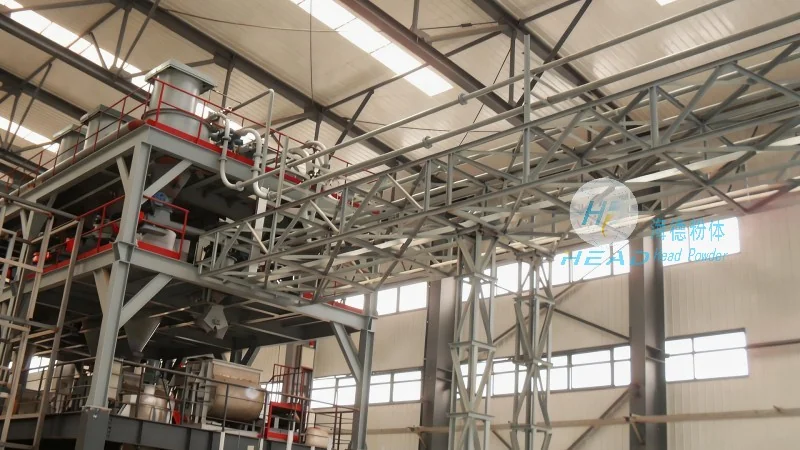
Company Introduction: HeadPowder Engineering
HeadPowder, formally known as Shandong HeadPowder Engineering Co., Ltd., is a leading provider of specialized material handling solutions. With headquarters in Shandong, China, the company focuses on delivering high-performance equipment tailored to the unique demands of coal and other fine powder applications. Their expertise in air-driven conveying technology ensures that clients receive systems designed for durability, efficiency, and minimal maintenance.
Principle of Air-Driven Fine Coal Powder Conveying
The core principle of air-driven fine coal powder conveying systems is the use of pressurized or vacuum air to move particulate materials through a pipeline. In pressurized systems, a blower or compressor generates positive pressure, forcing the coal powder into the pipeline. The powder is suspended in the air stream, allowing it to travel through the system with minimal friction and loss. Conversely, vacuum systems create a negative pressure that draws the material into the pipeline, often used for longer or more complex conveying routes. The design of the conveying line, including the diameter of the pipe, the angle of inclination, and the placement of bends, is critical to maintaining the material's suspension and preventing blockages.
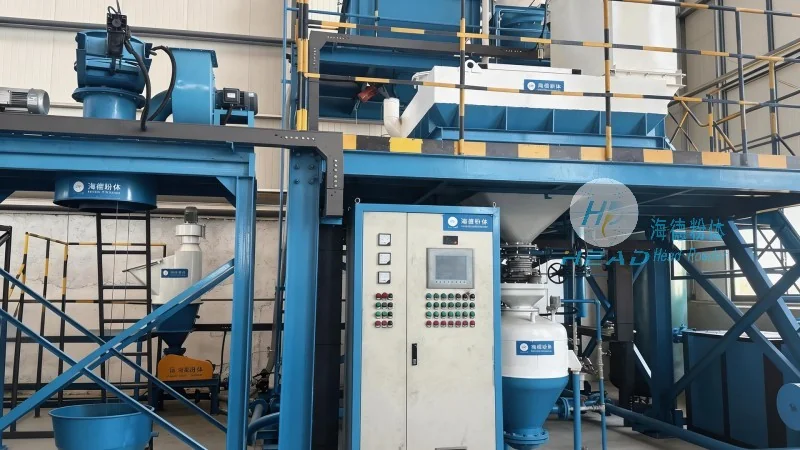
Working Scene Characteristics
Air-driven fine coal powder conveyors are particularly suited for applications where traditional mechanical conveyors may struggle with fine powders. Key working scene characteristics include:
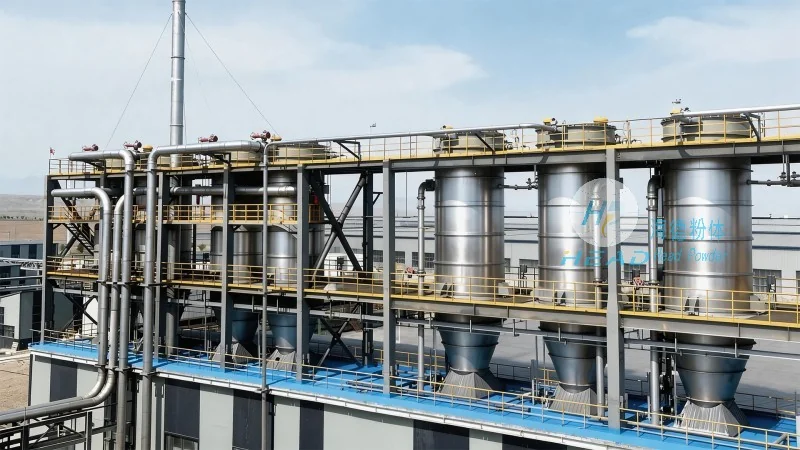
- High Efficiency and Low Maintenance: Unlike mechanical systems that rely on moving parts like belts or buckets, air-driven conveyors have fewer components, reducing wear and tear and lowering long-term operational costs.
- Flexibility in Layout: The ability to route the pipeline in various directions, including vertical and horizontal changes, makes it ideal for complex plant layouts. This flexibility allows for the integration of conveying systems into existing infrastructure without major structural modifications.
- Reduced Material Degradation: The gentle handling of fine coal powder through air suspension minimizes particle breakage and degradation, preserving the quality of the material for downstream processes such as combustion or further processing.
- Environmental Benefits: By containing dust within the pipeline, air-driven systems help mitigate the release of fine particles into the environment, contributing to better air quality and compliance with environmental regulations.
Applications and Operational Scenarios
These conveying systems are commonly employed in scenarios such as:
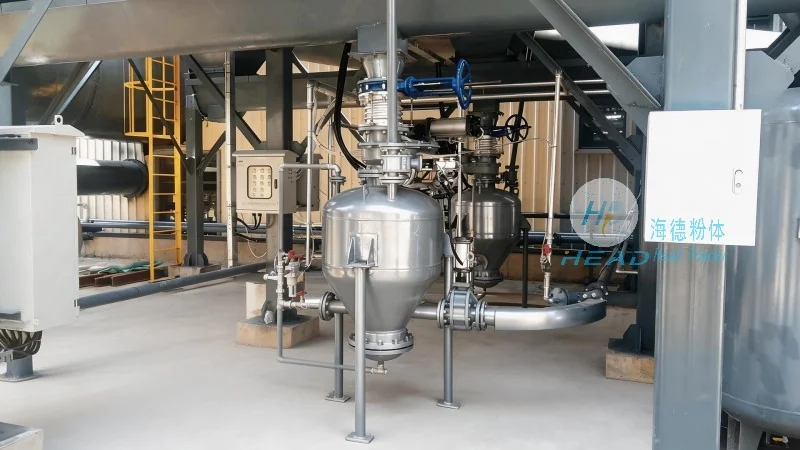
- Transporting coal from storage silos to processing plants or power generation units.
- Conveying fine coal powder between different stages of a coal preparation facility, including drying, screening, and blending.
- Supplying coal to boilers in thermal power plants, where consistent and reliable fuel delivery is critical for efficient energy production.
- Handling coal in industrial settings where dust control and material integrity are paramount.
Advantages Over Traditional Conveying Methods
Compared to mechanical conveyors, air-driven systems offer distinct advantages for fine coal powder applications. The absence of moving parts reduces the risk of mechanical failure and the need for frequent maintenance. Additionally, the ability to handle fine particles without clogging or degradation makes air-driven conveyors more suitable for sensitive materials. The system's compact design also allows for easier installation in confined spaces, a common challenge in modern industrial facilities.
Conclusion
Understanding the principle and working scene characteristics of air-driven fine coal powder material conveying equipment is essential for optimizing material handling in industrial settings. Companies like Shandong HeadPowder Engineering Co., Ltd. provide advanced solutions that leverage the efficiency and flexibility of air-driven technology to meet the demands of modern coal processing and power generation. By choosing the right air-driven conveying system, industries can enhance operational performance, reduce costs, and improve overall safety and environmental compliance.