

Operation Process and Working Principle of Gypsum Sand Pneumatic Conveying Machine
HeadPowder, a leading manufacturer based in Shandong, China, specializes in industrial equipment for material handling. Among their product line is the gypsum sand pneumatic conveying machine, a critical tool for efficiently transporting gypsum sand in various industrial applications. This article explores the operation process and working principle of this equipment, highlighting its design, functionality, and practical applications.
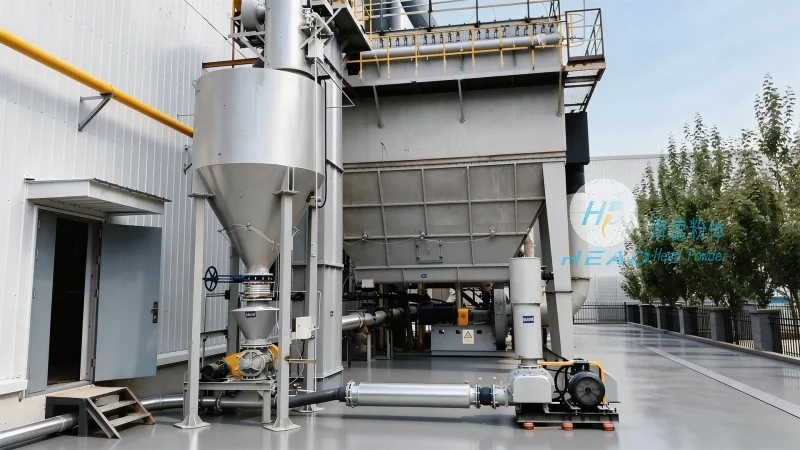
Introduction to Gypsum Sand Pneumatic Conveying Machine
The gypsum sand pneumatic conveying machine is a system designed to transport dry, free-flowing materials like gypsum sand through a pipeline using air or gas as the conveying medium. Unlike traditional mechanical conveyors, this equipment eliminates the need for moving parts in contact with the material, reducing wear and maintenance costs. HeadPowder's machines are engineered to handle the unique properties of gypsum sand, ensuring reliable and efficient material transport in construction, mining, and manufacturing industries.
Key Components of the Gypsum Sand Pneumatic Conveying System
At the core of the gypsum sand pneumatic conveying machine are several key components that work in tandem to achieve effective material transport. These include the hopper, which stores the gypsum sand; the feeder, responsible for controlling the flow rate of the material into the pipeline; the air compressor or blower, which generates the necessary air pressure; the pipeline network, which transports the material; and the receiver, where the material is deposited. Each component is carefully designed to handle the specific characteristics of gypsum sand, such as its particle size, moisture content, and density.
Working Principle of the Gypsum Sand Pneumatic Conveying Machine
The operation of the gypsum sand pneumatic conveying machine follows a systematic process that ensures consistent and efficient material transport. The process begins with the material being loaded into the hopper. The feeder then regulates the flow of gypsum sand into the pipeline, preventing overloading and maintaining a steady flow. Simultaneously, the air compressor generates high-pressure air, which is introduced into the pipeline. The air and material are mixed, creating a slurry-like mixture that moves through the pipeline due to the air pressure. As the mixture travels, it passes through any necessary fittings, such as bends or valves, without significant loss of velocity. The receiver at the end of the pipeline collects the gypsum sand, while the air is either vented to the atmosphere or recirculated, depending on the system design.
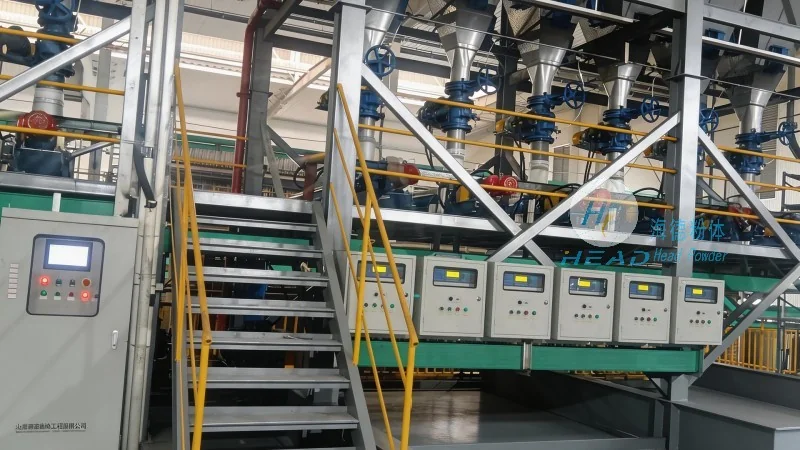
Operation Process: Step-by-Step Guide
The operation process of the gypsum sand pneumatic conveying machine can be broken down into several key steps, each crucial for the smooth functioning of the system. First, the system is prepared by ensuring all components are properly installed and connected. The hopper is filled with the required amount of gypsum sand, and the feeder is adjusted to the desired flow rate. Next, the air compressor is started, and the system is pressurized to the appropriate level. Once the system is pressurized, the feeder begins to release the gypsum sand into the pipeline, and the conveying process begins. The material is transported through the pipeline to the receiver, where it is collected. The system continues to operate until the hopper is empty or the desired amount of material has been transported. Finally, the system is shut down by first stopping the feeder and then the air compressor, allowing the pressure to be released and the pipeline to be cleared.
Advantages of Using Gypsum Sand Pneumatic Conveying Machine
HeadPowder's gypsum sand pneumatic conveying machines offer several advantages over traditional material handling methods. One of the primary benefits is the elimination of mechanical contact with the material, which reduces wear and tear on the equipment and extends its lifespan. Additionally, the system is highly flexible, allowing for easy reconfiguration of the pipeline network to accommodate changes in production requirements. The equipment also provides a dust-free environment, improving workplace safety and reducing the risk of respiratory issues associated with handling gypsum sand. Furthermore, the pneumatic conveying system is energy-efficient, as it uses less power compared to mechanical conveyors while achieving higher material throughput. These advantages make the gypsum sand pneumatic conveying machine an ideal choice for industries seeking reliable, efficient, and cost-effective material transport solutions.
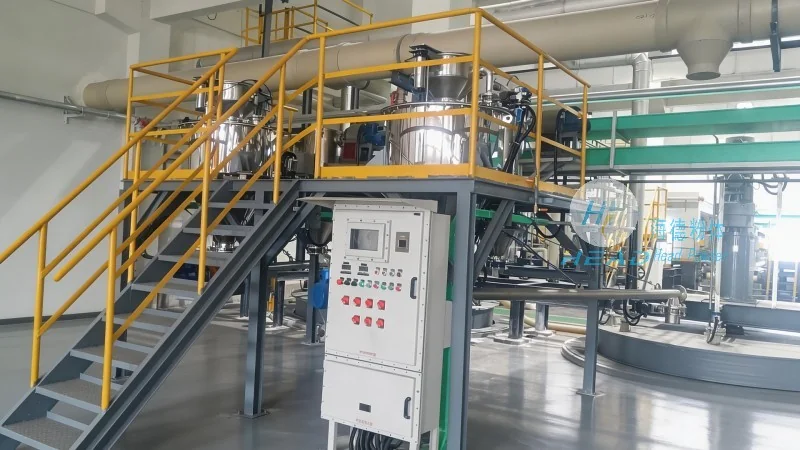
Applications and Industries
The gypsum sand pneumatic conveying machine is widely used in various industries where the efficient transport of gypsum sand is essential. In the construction industry, it is used to transport gypsum sand for wallboard production, ensuring a consistent supply of raw material to manufacturing plants. In the mining industry, the equipment is employed to transport gypsum sand from storage facilities to processing plants, facilitating smooth operations. Additionally, in the manufacturing industry, the machine is used to convey gypsum sand for use in plaster and other building materials, supporting production lines. The versatility of the system makes it suitable for a range of applications, from small-scale operations to large industrial facilities.
Maintenance and Troubleshooting
To ensure the long-term performance and reliability of the gypsum sand pneumatic conveying machine, regular maintenance is essential. HeadPowder recommends routine checks of the air compressor and blower to ensure they are operating at optimal efficiency. The hopper and feeder should be inspected for any blockages or wear, and the pipeline should be checked for any leaks or damage. If the system experiences any issues, such as reduced material flow or increased air pressure, it is important to troubleshoot the problem promptly. Common issues may include clogged pipelines, which can be cleared by using a compressed air blast or a cleaning tool. Another issue could be a malfunctioning feeder, which may require adjustment or replacement of parts. By addressing these issues promptly, the system can be kept in good working condition, minimizing downtime and maximizing productivity.
Conclusion
HeadPowder's gypsum sand pneumatic conveying machine is a highly effective and reliable solution for the efficient transport of gypsum sand in various industrial applications. By understanding the working principle and operation process of this equipment, users can maximize its performance and extend its lifespan. The machine's design, which eliminates mechanical contact with the material, reduces maintenance costs and improves safety. Its flexibility and energy efficiency make it an ideal choice for industries seeking to optimize their material handling processes. With proper maintenance and operation, the gypsum sand pneumatic conveying machine can provide consistent and reliable performance, supporting the smooth operation of industrial facilities.