

Operation Process and Working Principle of Water-in-Powder Pneumatic Conveying Machine
Water-in-powder pneumatic conveying machines represent a sophisticated solution in material handling, particularly for the efficient transport of dry powders. This technology integrates the principles of pneumatic conveying with a water-based system to enhance the performance and reliability of powder transportation processes. The operation and working principles of such equipment are critical for understanding its application in various industrial settings.
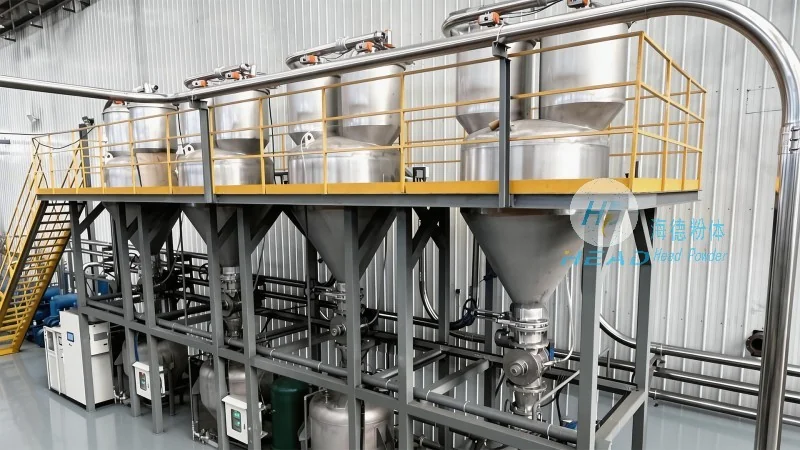
Overview of Water-in-Powder Pneumatic Conveying Systems
At the core of water-in-powder conveying is the ability to create a stable, low-pressure air stream that carries dry powder particles through a pipeline. The system typically comprises a water tank, a pump, a mixing chamber, and a conveying line. The water, often mixed with a small amount of surfactant or other additives to improve flow characteristics, is introduced into the powder stream. This water acts as a carrier, reducing friction between particles and the pipeline walls, thereby minimizing blockages and enhancing the overall conveying efficiency. The process is designed to handle a wide range of powders, from fine to coarse, while maintaining consistent flow rates and preventing material degradation.
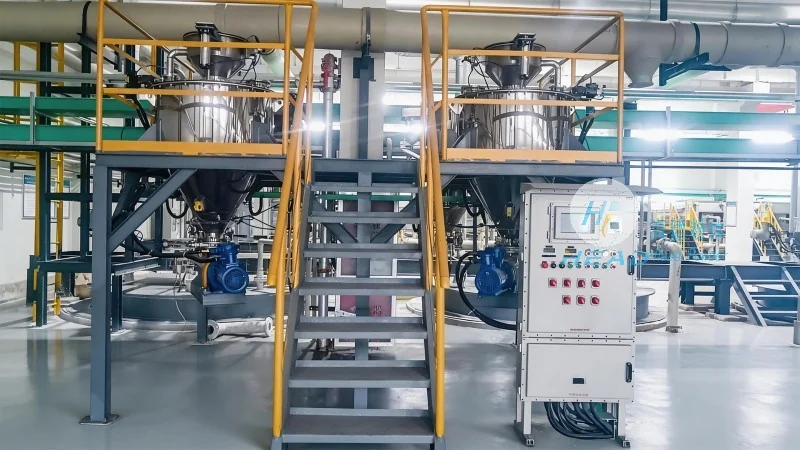
The Operation Process of a Water-in-Powder Pneumatic Conveying Machine
The operation of a water-in-powder pneumatic conveying machine involves several sequential steps that ensure smooth and continuous material transport. Initially, the dry powder is fed into the mixing chamber from a hopper or silo. Simultaneously, water is pumped into the chamber, where it mixes with the powder to form a slurry-like mixture. This mixture is then introduced into the conveying line under low-pressure air. The air, generated by a blower or fan, creates a vacuum or pressure differential that propels the mixture through the pipeline. As the mixture travels, the water helps to keep the powder particles suspended, preventing agglomeration and ensuring uniform distribution. The receiving end of the system typically includes a separator, where the powder is separated from the water and air, and the water is recycled back to the tank for reuse. This closed-loop system minimizes water waste and reduces operational costs.
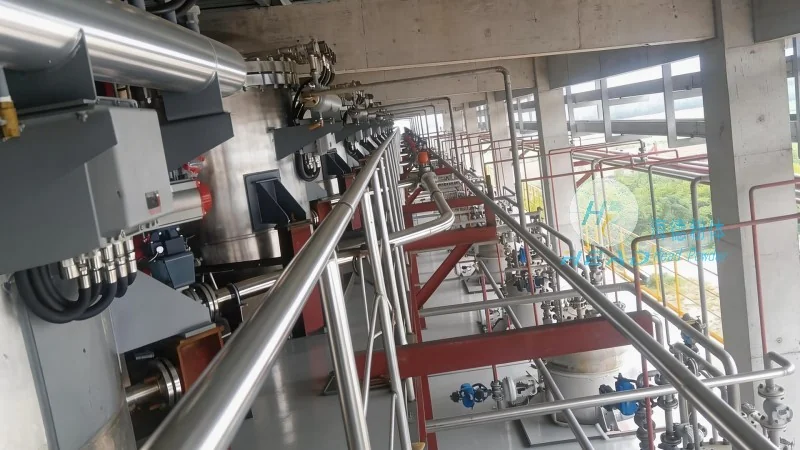
Working Principle: Key Components and Their Functions
The working principle of a water-in-powder pneumatic conveying machine relies on the interaction between water, powder, and air. The primary components include the water tank, pump, mixing chamber, conveying line, blower, and separator. The water tank stores the water supply, which is pumped into the mixing chamber at a controlled rate. The mixing chamber ensures thorough combination of water and powder, optimizing the slurry's flow properties. The conveying line, usually made of stainless steel or other corrosion-resistant materials, is designed to withstand the pressure and temperature variations during operation. The blower provides the necessary air pressure to create the conveying force, while the separator at the end of the line uses centrifugal or filtration methods to separate the powder from the water and air. The separated water is then returned to the tank, completing the recycling loop. This design not only improves efficiency but also enhances the environmental sustainability of the system by reducing water consumption and minimizing waste.
Advantages and Applications in Industrial Settings
Water-in-powder pneumatic conveying machines offer several advantages over traditional dry pneumatic conveying systems. The use of water as a carrier significantly reduces the risk of dust explosions, making it suitable for handling flammable or explosive powders. It also improves the conveying efficiency for materials that are difficult to transport due to their fine particle size or tendency to clog pipelines. Additionally, the system can handle a wider variety of materials, including those with high moisture content or those that are prone to degradation under dry conditions. These benefits make water-in-powder conveying ideal for industries such as pharmaceuticals, food processing, chemical manufacturing, and mining, where precise and safe material handling is essential.
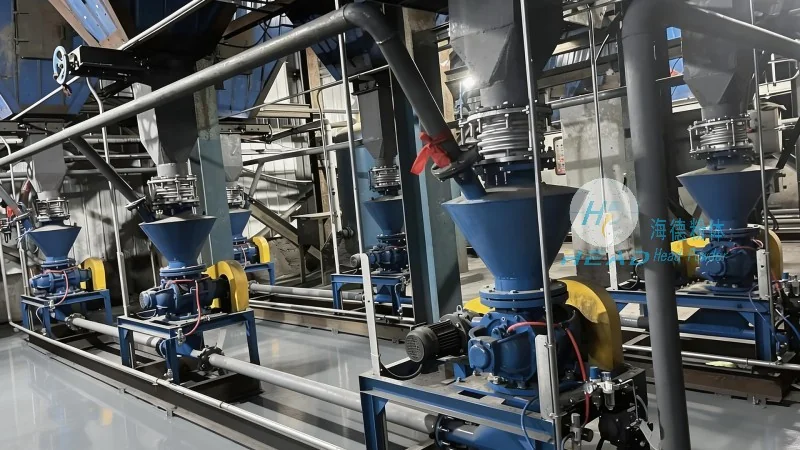
Company Information: Shandong HeadPowder Engineering Co., Ltd.
HeadPowder, a leading manufacturer of material handling equipment, specializes in the design, development, and production of water-in-powder pneumatic conveying machines. With a strong commitment to innovation and quality, the company has established itself as a trusted partner in the industry. HeadPowder's products are engineered to meet the specific needs of various applications, ensuring high performance, reliability, and durability. The company's headquarters is located in Shandong, China, where it leverages advanced manufacturing technologies and a skilled workforce to deliver superior equipment to global markets. By focusing on customer requirements and technological advancements, HeadPowder continues to set new standards in the field of pneumatic conveying systems.