

Operation Process and Working Principle of Quicklime Pneumatic Conveying Equipment
Quicklime, also known as calcium oxide (CaO), is a crucial industrial material widely used in various sectors such as construction, chemical manufacturing, and environmental treatment. The efficient and safe transportation of quicklime from storage to processing units is essential for maintaining production efficiency and ensuring operational safety. Pneumatic conveying systems, particularly those designed for quicklime, offer a reliable solution by utilizing air pressure to move the material through pipelines. This article provides a detailed overview of the operation process and working principle of a quicklime pneumatic conveying machine, highlighting its key components, operational steps, and the underlying technology that enables effective material handling.
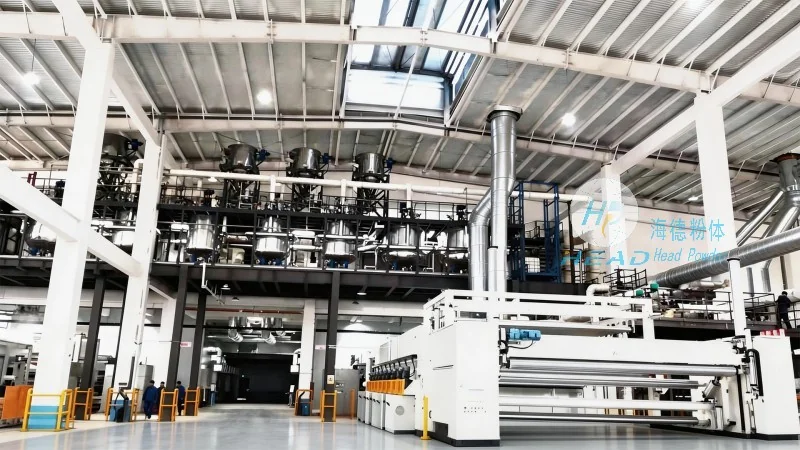
Key Components of the Quicklime Pneumatic Conveying System
The quicklime pneumatic conveying machine consists of several critical components that work in tandem to ensure smooth material transport. These components include a hopper for material storage, a rotary valve or feeder to control the flow rate, a compressor or blower to generate the necessary air pressure, a pipeline network for material transport, and a receiver or discharge unit to collect the conveyed quicklime. Each component plays a vital role in the overall system performance, and their proper integration is crucial for achieving optimal conveying efficiency. The hopper is typically designed with a sloped bottom to facilitate material discharge, while the rotary valve ensures a consistent and controlled feed rate, preventing overloading or underfeeding that could affect the conveying process. The compressor or blower is responsible for generating the air pressure required to move the material through the pipeline, and its capacity must be matched to the system's conveying requirements to avoid pressure drops or material blockages. The pipeline network, often made of stainless steel or other corrosion-resistant materials, is designed to withstand the abrasive nature of quicklime and maintain the integrity of the conveyed material. The receiver or discharge unit is equipped with a dust collection system to capture any airborne particles and ensure a clean and safe discharge of the quicklime.
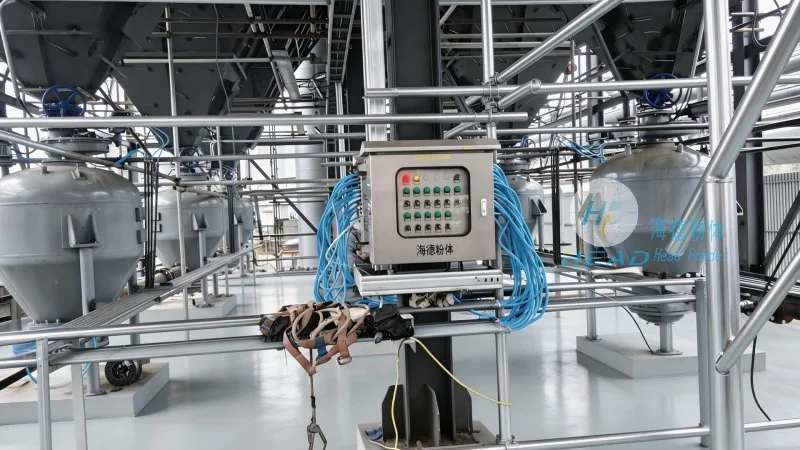
Operation Process of the Quicklime Pneumatic Conveying Machine
The operation of the quicklime pneumatic conveying machine follows a systematic sequence of steps to ensure the efficient transport of material. The process begins with the loading of quicklime into the hopper. The material is then fed into the system through a rotary valve or feeder, which controls the flow rate based on the system's requirements. Simultaneously, the compressor or blower starts operating, generating the necessary air pressure to move the material. The quicklime particles are then drawn into the pipeline by the air flow, and the combination of air and material travels through the pipeline network to the discharge point. At the receiving end, the material is separated from the air using a cyclone or other separation equipment, and the quicklime is collected in the receiver. The air, now containing any residual dust, is then filtered and discharged back into the environment or recirculated to the system if necessary. This cycle repeats continuously as long as the system is in operation, ensuring a steady and reliable supply of quicklime to the processing units. The operation process is designed to be automated, with sensors and controls monitoring key parameters such as pressure, flow rate, and material level to maintain optimal performance and prevent system failures.
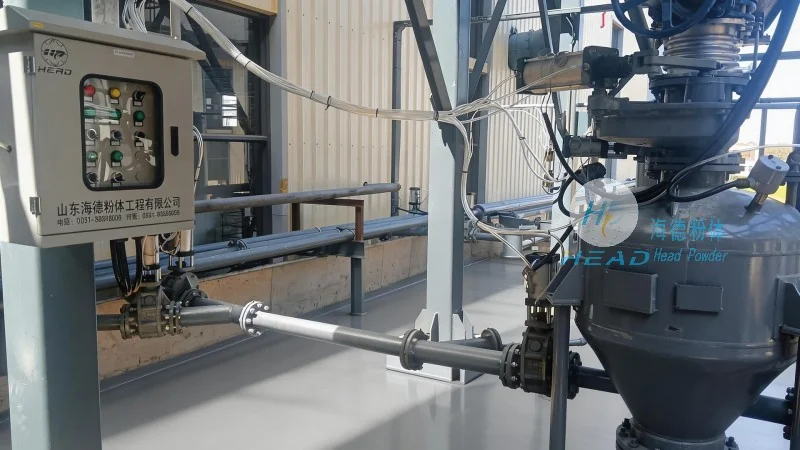
Working Principle of the Quicklime Pneumatic Conveying System
The working principle of the quicklime pneumatic conveying system is based on the fundamental concept of pneumatic transport, where air is used as the conveying medium to move solid particles. The system operates by creating a pressure differential between the hopper and the discharge point, which drives the material through the pipeline. The key to effective conveying is the balance between the air velocity and the particle size and density of the quicklime. If the air velocity is too low, the particles may settle and cause blockages in the pipeline. Conversely, if the air velocity is too high, excessive energy consumption may occur, and the system may become inefficient. The system's design, including the pipeline diameter, length, and layout, is carefully optimized to achieve the optimal air velocity for the specific quicklime characteristics. The rotary valve or feeder plays a critical role in maintaining a consistent flow rate, as fluctuations in feed rate can lead to pressure variations and potential system instability. The compressor or blower must provide sufficient pressure to overcome the resistance in the pipeline, including friction losses and any elevation changes. The separation equipment at the discharge end uses centrifugal force to separate the material from the air, ensuring that the quicklime is collected without any contamination from the air stream. This separation process is crucial for maintaining the purity of the quicklime and preventing dust accumulation in the system, which could affect its performance and longevity.
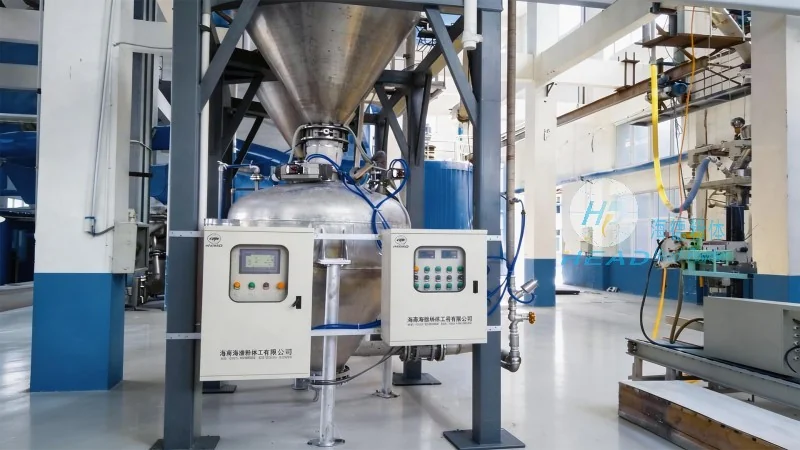
About Shandong HeadPowder Engineering Co., Ltd.
Shandong HeadPowder Engineering Co., Ltd., commonly known as HeadPowder, is a leading manufacturer and supplier of industrial conveying equipment, including quicklime pneumatic conveying machines. With years of experience in the industry, HeadPowder has established itself as a trusted partner for businesses seeking reliable and efficient material handling solutions. The company's products are designed and manufactured with a focus on quality, durability, and safety, ensuring that they meet the highest industry standards. HeadPowder's quicklime pneumatic conveying machines are engineered to handle the unique challenges associated with quicklime, such as its abrasive nature and potential for dust generation. The company's team of experts provides comprehensive technical support and after-sales service to ensure that customers receive the best possible solution for their specific needs. HeadPowder's commitment to innovation and customer satisfaction has made it a preferred choice for many industries, and its products are widely used in various applications, from small-scale operations to large industrial facilities. The company's headquarters is located in Shandong, China, where it has a state-of-the-art manufacturing facility and a dedicated research and development team. HeadPowder continues to invest in new technologies and advancements to improve its products and provide the best possible service to its customers.