

Operation Process and Working Principle of Potato Pneumatic Conveyors
HeadPowder, a leading manufacturer based in Shandong, China, specializes in the design and production of advanced potato pneumatic conveyors. These systems are engineered to efficiently handle the transportation of potatoes from storage or processing areas to various stages of the production line. The following content provides a detailed overview of the operation process and working principles of these essential agricultural machinery components.
Basic Working Principle of Potato Pneumatic Conveyors
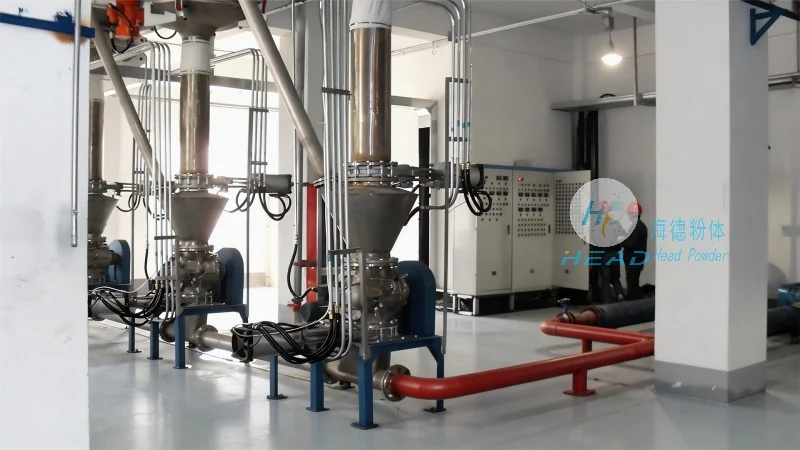
Potato pneumatic conveyors operate on the principle of air flow to move bulk materials like potatoes. The system typically consists of a hopper for material storage, a blower or fan to generate airflow, a pipeline network to transport the material, and a discharge outlet for the final delivery. As potatoes are fed into the hopper, the blower creates a negative pressure or positive pressure within the pipeline, depending on the system design. This airflow then lifts and propels the potatoes through the pipeline to the desired destination. The design of the conveyor, including the type of blower, pipeline diameter, and material handling components, is crucial for ensuring efficient and low-damage transport of potatoes.
Step-by-Step Operation Process
The operation of a potato pneumatic conveyor involves several key steps that ensure smooth and continuous material transport. First, the potatoes are loaded into the hopper, where they are stored before being fed into the system. The hopper is equipped with a feeding mechanism, such as a rotary valve or screw feeder, which controls the flow rate of the potatoes into the pipeline. Next, the blower is activated, generating the necessary airflow to create the pressure differential required for conveying. As the potatoes enter the pipeline, they are carried by the air stream, moving through the system with minimal impact or abrasion. The pipeline may include bends and turns, which are designed with appropriate angles and diameters to maintain the flow without causing blockages or excessive pressure loss. Finally, the potatoes are discharged from the pipeline into a receiving container or processing unit. The entire process is automated and can be controlled via a central system, allowing for precise regulation of the flow rate and pressure to optimize performance.
Key Components and Their Functions
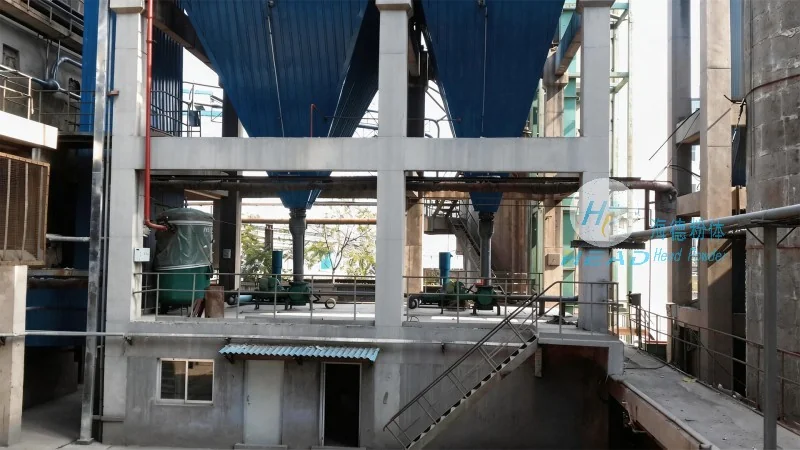
Several critical components work together to ensure the efficient operation of potato pneumatic conveyors. The hopper serves as the initial storage and feeding unit, providing a consistent supply of potatoes to the system. The blower or fan is the power source, generating the airflow that drives the material transport. The pipeline network, made of durable materials like stainless steel or plastic, carries the potatoes from the hopper to the discharge point. The feeding mechanism, such as a rotary valve or screw feeder, regulates the flow of potatoes into the pipeline, preventing overloading and ensuring smooth operation. Additionally, the system may include filters or cyclones to separate any dust or debris from the air, maintaining air quality and preventing clogging. Each component is designed to withstand the demands of handling potatoes, which can vary in size, shape, and moisture content, ensuring reliable performance over time.
Advantages of Using Potato Pneumatic Conveyors
HeadPowder's potato pneumatic conveyors offer several advantages over traditional mechanical conveyors. One of the primary benefits is the ability to transport potatoes without physical contact, reducing the risk of damage to the tubers. This is particularly important for maintaining the quality of potatoes intended for processing or export. Additionally, pneumatic conveyors can handle a wide range of potato sizes and types, making them versatile for different agricultural applications. The system is also relatively compact and can be installed in various layouts, allowing for flexible integration into existing production facilities. Furthermore, the automated operation of these conveyors reduces labor costs and increases production efficiency, making them a cost-effective solution for potato processing operations.
Maintenance and Operational Considerations
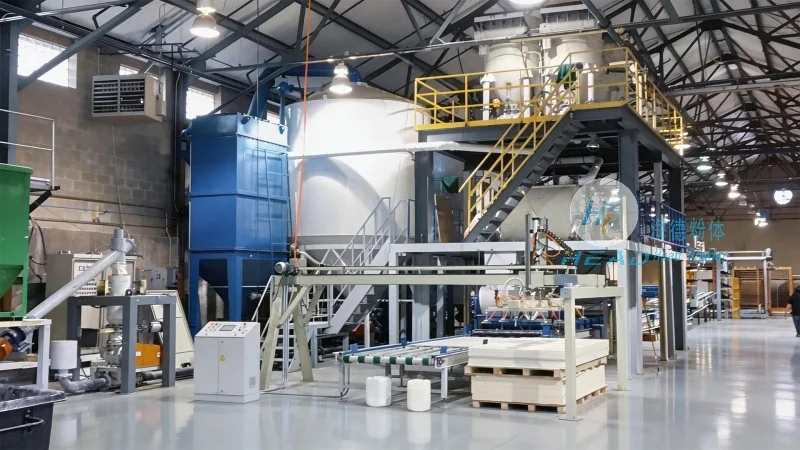
To ensure the long-term reliability and efficiency of potato pneumatic conveyors, proper maintenance is essential. Regular inspection of the blower and fan components is necessary to check for wear and tear, ensuring consistent airflow. The pipeline should be inspected for any blockages or damage, particularly in areas with bends or turns, as these can cause pressure drops or material buildup. Cleaning the system, including the hopper and feeding mechanisms, is important to prevent the accumulation of debris or dust, which can affect air quality and system performance. Additionally, monitoring the flow rate and pressure during operation helps identify any issues early, allowing for timely adjustments or repairs. By following proper maintenance procedures, users can maximize the lifespan of their conveyor systems and maintain optimal performance.
Conclusion
HeadPowder's potato pneumatic conveyors represent a sophisticated solution for the efficient and damage-free transport of potatoes. By understanding the working principles and operation process, users can leverage these systems to enhance their production efficiency and maintain the quality of their agricultural products. With proper maintenance and operation, these conveyors provide reliable performance, making them an essential component of modern potato processing facilities. HeadPowder, based in Shandong, China, continues to innovate in the design and manufacturing of such equipment, catering to the needs of the global agricultural industry.