

Introduction to Pneumatic Conveying Systems for Shredded Paper and Structural Principles
HeadPowder, a leading manufacturer based in Shandong, China, specializes in the design and production of advanced pneumatic conveying systems tailored for handling shredded paper. This article provides an overview of the technology, structural components, and operational principles behind these systems, which are essential for efficient material transport in various industrial applications.
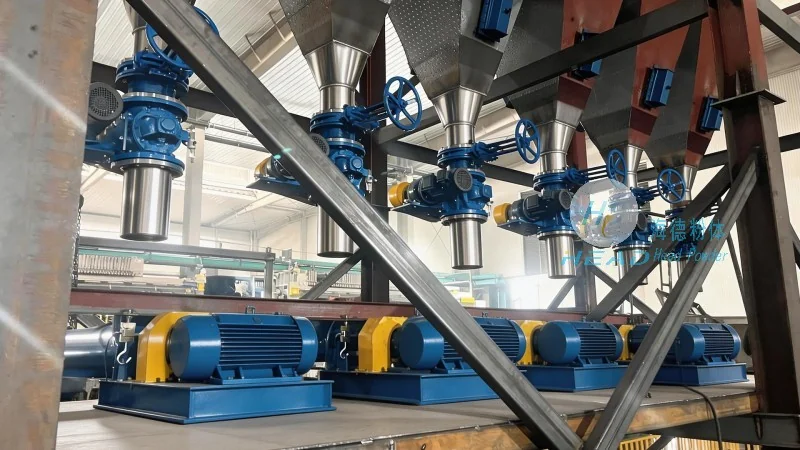
At the core of any pneumatic conveying system is the ability to move bulk materials like shredded paper through a pipeline using air or other gas streams. The system's design must consider factors such as material properties, particle size, moisture content, and the required transport distance to ensure optimal performance and minimal operational issues. HeadPowder's systems are engineered to address these challenges effectively, leveraging years of industry experience and technical expertise.
Key components of a typical pneumatic conveying system for shredded paper include the hopper, which serves as the material storage and feeding unit; the conveyor line, which consists of a series of pipes and ducts that guide the material; the air mover, such as a rotary lobe blower or a positive displacement blower, which generates the necessary airflow; and the control system, which regulates the flow of material and air to maintain consistent operation. Each component plays a critical role in the overall functionality of the system, and their integration is crucial for achieving reliable and efficient material transport.
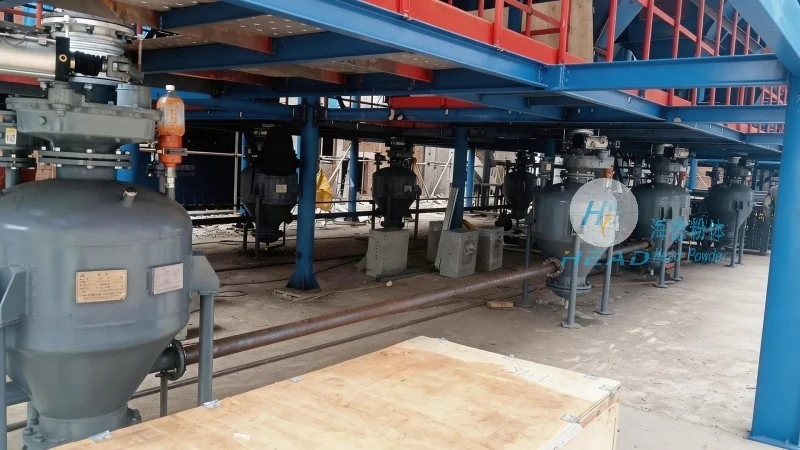
The hopper is designed to hold a sufficient quantity of shredded paper, ensuring a steady supply to the conveyor line. It often features a feeding mechanism, such as a screw feeder or a rotary valve, that controls the rate at which material is introduced into the system. The material is then drawn into the conveyor line by the air mover, which creates a low-pressure zone that pulls the material along with the air stream. The air mover's capacity and pressure are critical parameters that determine the system's throughput and the distance over which material can be transported.
The conveyor line itself is constructed from materials that are resistant to the abrasive nature of shredded paper and the corrosive effects of any moisture present. Common materials include stainless steel, aluminum, or specialized plastic composites. The pipe diameter and length are carefully selected based on the material's flow characteristics and the required transport distance. For longer distances or higher material loads, additional components like expansion joints or bends may be incorporated to maintain system efficiency and prevent material buildup or blockages.
The air mover is the heart of the pneumatic conveying system, responsible for generating the airflow that propels the material. Rotary lobe blowers are commonly used for this application due to their ability to handle large volumes of air and their relatively low maintenance requirements. These blowers operate by trapping air in lobed chambers and rotating them to create a continuous flow of air, which is then directed into the conveyor line. The pressure and flow rate of the air mover are adjustable, allowing operators to fine-tune the system's performance to match changing operational conditions.
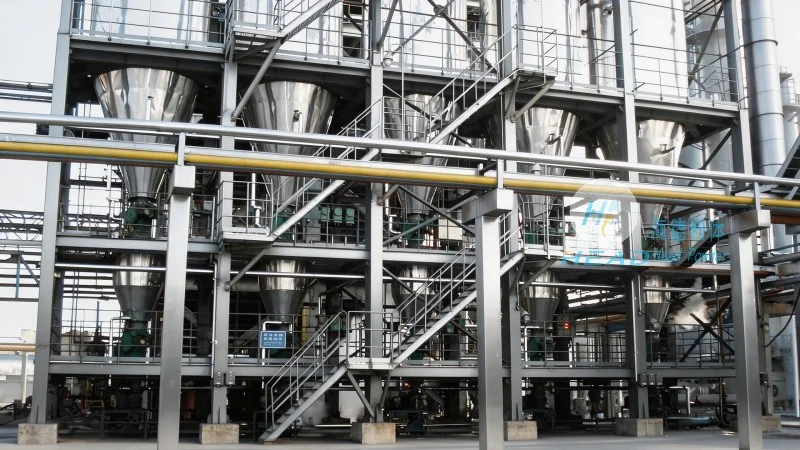
The control system is another vital component that ensures the smooth operation of the pneumatic conveying system. It typically includes sensors to monitor material levels in the hopper, air pressure in the system, and flow rates. These sensors provide real-time data to the control unit, which adjusts the feeding rate and air flow as needed to maintain consistent material transport. Additionally, the control system may include safety features, such as pressure relief valves, to prevent over-pressurization and protect the system from damage.
Operational principles of pneumatic conveying systems for shredded paper revolve around the balance between air flow and material feed. The system must maintain a sufficient air velocity to keep the material suspended and moving through the pipeline. If the air velocity is too low, the material may settle and cause blockages or uneven flow. Conversely, if the air velocity is too high, it can lead to excessive energy consumption and potential damage to the system components. HeadPowder's systems are designed with precise control mechanisms to maintain the optimal air velocity for the specific material being handled.
Another important aspect of these systems is the handling of moisture content in shredded paper. Shredded paper often contains varying levels of moisture, which can affect its flow characteristics and the overall efficiency of the conveying process. High moisture content can lead to clumping or caking, making it difficult to transport the material. To address this, HeadPowder's systems may incorporate drying or conditioning steps before the material enters the conveyor line. This ensures that the material remains in a consistent, free-flowing state, reducing the risk of blockages and improving system performance.
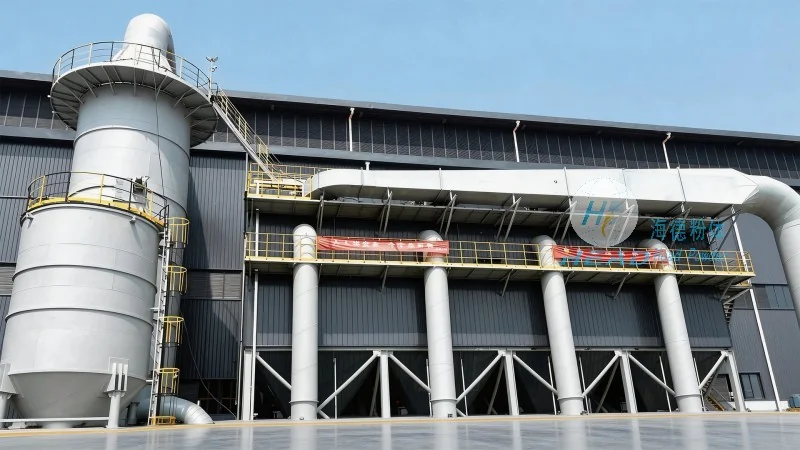
The structural design of pneumatic conveying systems for shredded paper also considers the need for easy maintenance and cleaning. The components are often designed with access panels and removable sections, allowing for quick inspection and cleaning of the system. This is particularly important in applications where the material may contain contaminants or where hygiene is a concern. HeadPowder's systems are built with durability and ease of maintenance in mind, ensuring long-term reliability and minimal downtime.
In conclusion, pneumatic conveying systems for shredded paper are sophisticated pieces of equipment that require careful design and engineering to achieve optimal performance. HeadPowder, with its expertise in the field, provides high-quality systems that incorporate all the necessary components and operational principles to ensure efficient and reliable material transport. By understanding the structural components and operational principles of these systems, users can make informed decisions about their application and maintenance, leading to improved productivity and reduced operational costs.