

Introduction to PVC Pneumatic Conveying Equipment: Structure and Working Principle
PVC pneumatic conveying equipment is a critical component in modern material handling systems, designed to efficiently transport bulk materials through an air-driven system. This technology is widely used across various industries, including chemical processing, food and beverage, and pharmaceutical manufacturing, where precise and hygienic material transfer is essential. The equipment's design leverages the principles of pneumatic transport, utilizing air pressure to move materials from one location to another without the need for mechanical components like belts or screws.
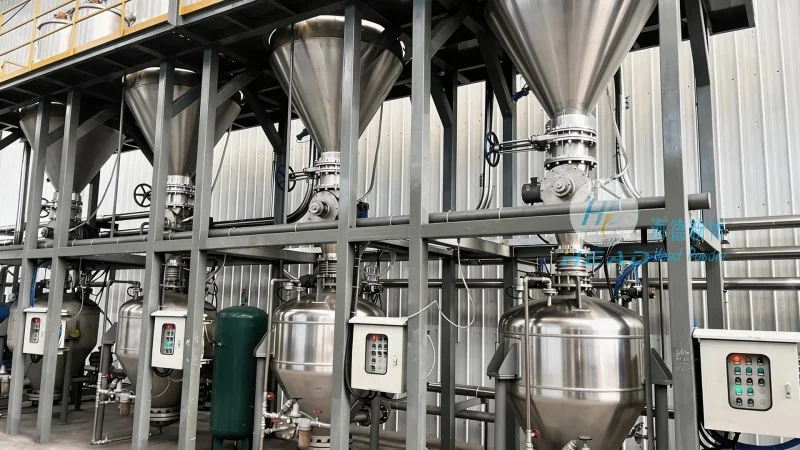
HeadPowder, a leading manufacturer in the field, specializes in developing and supplying high-quality PVC pneumatic conveying solutions. With a strong presence in Shandong, China, the company has built a reputation for its innovative designs and robust engineering. The company's commitment to quality and customer satisfaction is reflected in its comprehensive product line, which includes a range of PVC pneumatic conveyors tailored to meet diverse industrial needs.
Key Structural Components of PVC Pneumatic Conveying Equipment
The PVC pneumatic conveying system typically consists of several key components that work in tandem to ensure efficient material transport. The primary elements include the hopper, which serves as the material inlet, feeding the bulk material into the system. The hopper is designed with a smooth interior to minimize material buildup and ensure consistent flow. Connected to the hopper is the conveying line, usually made from durable PVC material, which is resistant to corrosion and chemical exposure. The line is equipped with appropriate fittings and valves to control the flow of both material and air.
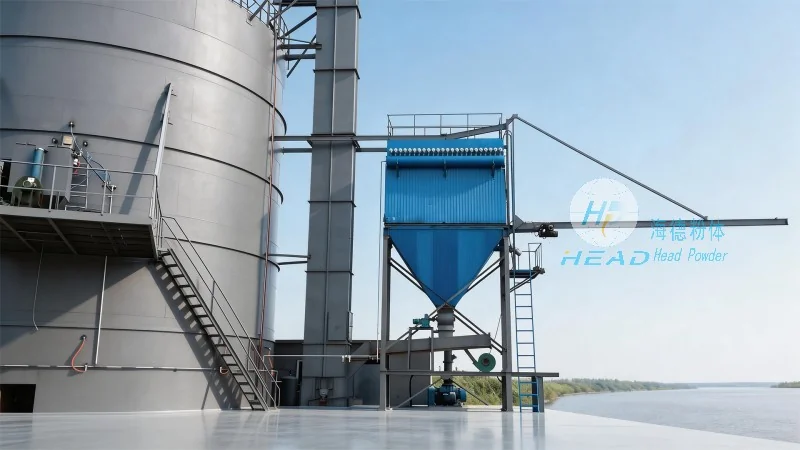
At the heart of the system is the air compressor, which generates the necessary pressure to move the material through the conveying line. The compressor is typically sized based on the material's characteristics, such as density and particle size, to ensure optimal performance. A filter and separator are also integral components, as they remove any debris or moisture from the air, preventing damage to the equipment and maintaining the purity of the conveyed material. The system may also include a receiver or discharge hopper at the end of the line, where the material is collected and discharged.
Working Principle of PVC Pneumatic Conveying Equipment
The operation of a PVC pneumatic conveying system is based on the principle of air pressure and fluid dynamics. When the air compressor is activated, it forces air into the conveying line, creating a flow that propels the material particles. The material is introduced into the system at the hopper, where it is mixed with the air stream. As the air and material move through the line, the particles are suspended and transported to the discharge point. The velocity of the air and the size of the particles determine the efficiency of the transport, with optimal conditions ensuring minimal pressure drop and maximum material throughput.
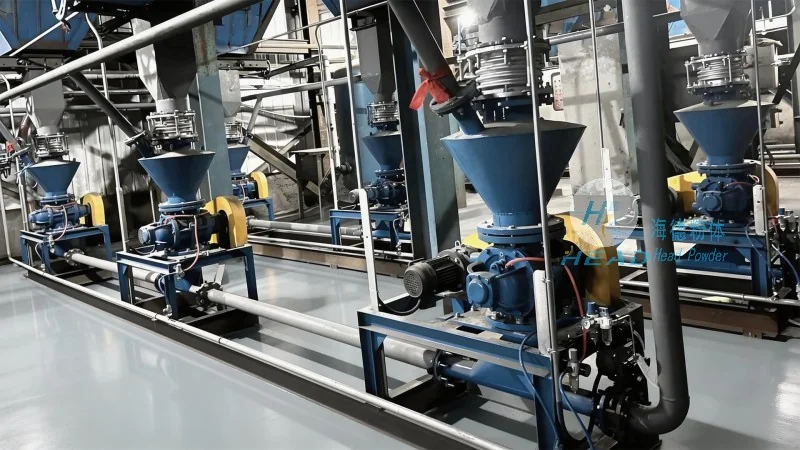
One of the key advantages of PVC pneumatic conveying is its ability to handle a wide range of materials, from fine powders to granules, without the need for additional processing steps. The system's flexibility allows for both positive and negative pressure operation, depending on the application requirements. Positive pressure systems are commonly used for long-distance transport, while negative pressure systems are suitable for applications where dust control is a priority. The design of the equipment, including the use of smooth PVC liners and appropriate fittings, minimizes friction and wear, extending the lifespan of the components and reducing maintenance costs.
Applications and Benefits of PVC Pneumatic Conveying Equipment
PVC pneumatic conveying equipment is widely utilized in various industrial applications due to its versatility and efficiency. In the chemical industry, it is used to transport powders and granules, ensuring safe and controlled handling of potentially hazardous materials. The food and beverage sector benefits from the hygienic design of the equipment, which prevents contamination and maintains product quality. Pharmaceutical manufacturers also rely on this technology for the precise transfer of active ingredients and other sensitive materials.
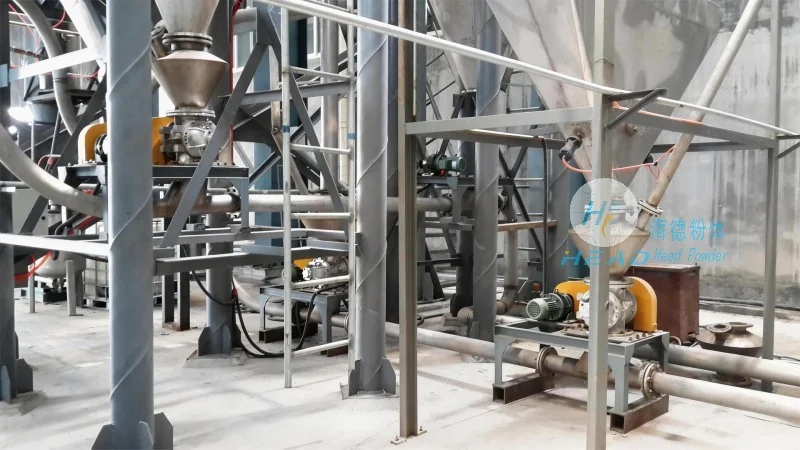
The benefits of using PVC pneumatic conveying systems extend beyond material handling efficiency. The equipment offers significant advantages in terms of space savings, as it can transport materials over long distances without the need for extensive infrastructure. Additionally, the system reduces labor costs by automating the material transfer process, minimizing the risk of human error and improving overall productivity. The use of PVC material in the construction of the conveying line provides excellent resistance to corrosion and chemical exposure, ensuring long-term durability and reliability.
Conclusion and Company Overview
HeadPowder Engineering Co., Ltd., based in Shandong, China, is a trusted provider of PVC pneumatic conveying equipment, offering comprehensive solutions tailored to meet the specific needs of various industries. The company's commitment to quality, innovation, and customer satisfaction has established it as a leader in the field. By leveraging advanced engineering and robust materials, HeadPowder ensures that its products deliver optimal performance and longevity, helping clients enhance their operational efficiency and reduce costs. For businesses seeking reliable and efficient material handling solutions, HeadPowder's PVC pneumatic conveying equipment is an excellent choice.