

Introduction to Equipment and Structural Principles of Calcium Oxide Pneumatic Conveying Systems
This article provides a comprehensive overview of the equipment used in calcium oxide pneumatic conveying systems, along with an explanation of their structural principles. The systems are designed to efficiently transport calcium oxide, a key industrial material, through pneumatic means, ensuring safe and effective material handling in various industrial applications.
Key Components of the Pneumatic Conveying System
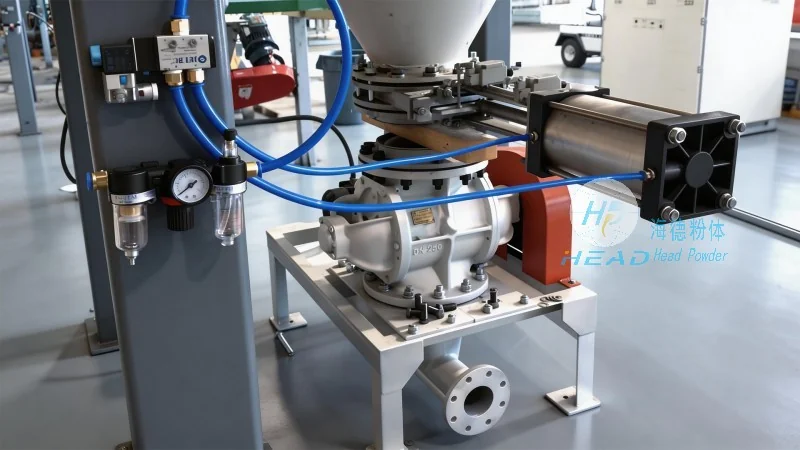
The calcium oxide pneumatic conveying system typically consists of several critical components that work in tandem to facilitate material transport. These components include the material feeder, which is responsible for accurately metering and feeding the calcium oxide into the system. The feeder is often equipped with adjustable settings to control the flow rate, ensuring consistent and controlled material delivery. The conveying line, which can be either positive or negative pressure, is the core of the system, responsible for transporting the material from the feeder to the discharge point. The line is usually made of durable materials such as stainless steel or high-density polyethylene to withstand the abrasive nature of calcium oxide and prevent material buildup or corrosion. Additionally, the system includes a filter or separator unit that removes any fine particles or dust from the air stream, ensuring that the material is delivered in a clean and controlled manner. The discharge valve or hopper is another essential component, responsible for controlling the release of the calcium oxide at the destination point, allowing for precise and controlled material discharge.
Structural Principles and Operational Mechanisms
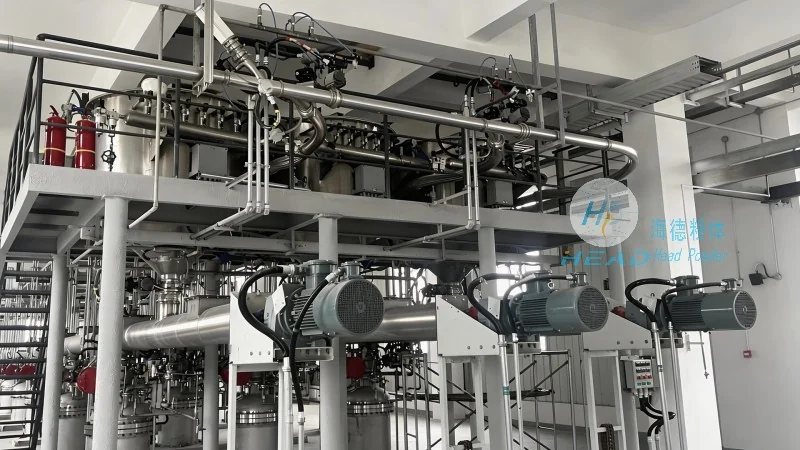
The structural principles of the calcium oxide pneumatic conveying system are based on the principles of fluid dynamics and material handling. The system operates by creating a pressure differential between the inlet and outlet of the conveying line. In positive pressure systems, the feeder is located at the end of the line, and the material is pushed through the line by a blower or compressor that maintains a higher pressure than the ambient environment. The material is then carried by the air stream, which is typically at a velocity of 20-30 meters per second, ensuring efficient transport. In negative pressure systems, the discharge point is located at the end of the line, and the material is drawn into the line by a vacuum pump or fan that maintains a lower pressure than the ambient environment. The air stream in this case is directed towards the discharge point, carrying the material along with it. The structural design of the system is critical to its efficiency and effectiveness. The conveying line is typically arranged in a straight or slightly curved path to minimize pressure losses and ensure smooth material flow. The components are also designed to be easily accessible for maintenance and cleaning, which is essential for maintaining the system's performance and preventing material buildup or blockages.
Advantages of Using Pneumatic Conveying for Calcium Oxide
There are several advantages to using pneumatic conveying systems for calcium oxide transport. One of the primary advantages is the ability to transport the material over long distances without the need for intermediate storage or handling. This reduces the risk of material contamination and ensures that the material remains in a consistent condition throughout the transport process. Another advantage is the ability to control the flow rate and pressure of the system, which allows for precise and controlled material delivery. This is particularly important for applications where the material needs to be delivered to a specific location or at a specific rate. The system also reduces the risk of dust exposure and material handling injuries, as the material is transported in a closed system, minimizing direct contact with the material. Additionally, the system is relatively compact and can be installed in a variety of locations, making it suitable for both new and existing industrial facilities.
Company Profile: Shandong HeadPowder Engineering Co., Ltd.
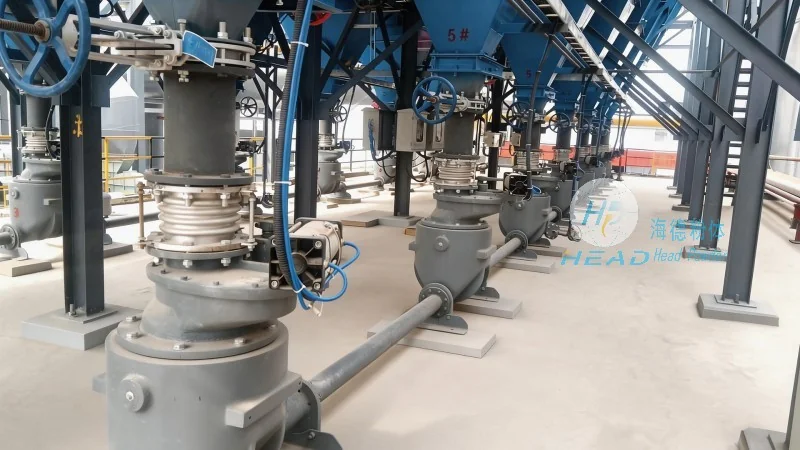
Shandong HeadPowder Engineering Co., Ltd., commonly known as headpowder, is a leading manufacturer and supplier of pneumatic conveying systems and related equipment. The company is headquartered in Shandong, China, and has a strong reputation for providing high-quality, reliable, and efficient equipment for the industrial sector. HeadPowder specializes in the design, manufacturing, and installation of pneumatic conveying systems for a wide range of materials, including calcium oxide, cement, and other bulk materials. The company's products are known for their durability, efficiency, and ease of maintenance, making them a popular choice among industrial customers. HeadPowder also provides technical support and after-sales service to ensure that its customers receive the best possible service and support for their equipment. The company is committed to providing innovative and sustainable solutions for material handling, and its products are designed to meet the highest standards of quality and performance.