

Introduction to Equipment and Structural Principles of Ammonium Sulfate Pneumatic Conveying Systems
Ammonium sulfate, a critical chemical fertilizer, demands efficient material handling solutions to support modern industrial production. The pneumatic conveying system stands out as a sophisticated method for transporting fine powders like ammonium sulfate, offering advantages such as reduced labor, enhanced safety, and improved process control. This article provides a comprehensive introduction to the equipment used in ammonium sulfate pneumatic conveying systems, alongside a detailed explanation of their structural principles and operational mechanisms.
Core Components of Ammonium Sulfate Pneumatic Conveying Systems
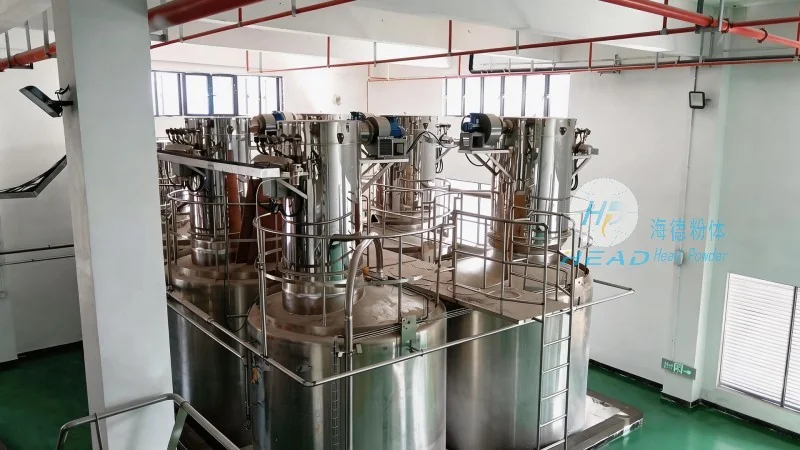
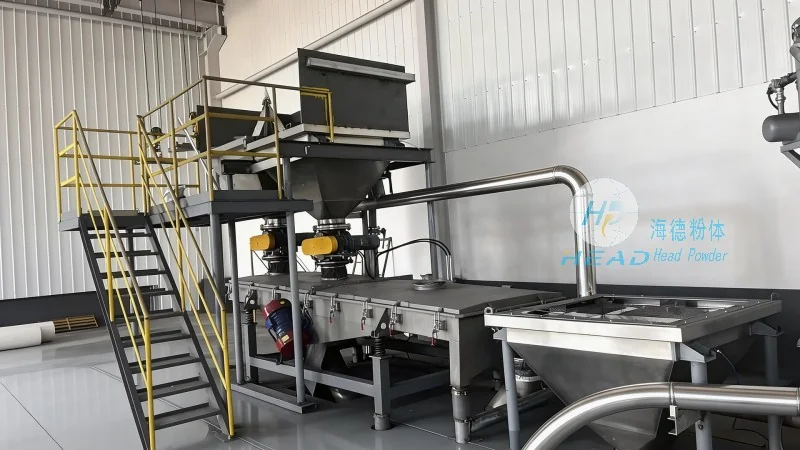
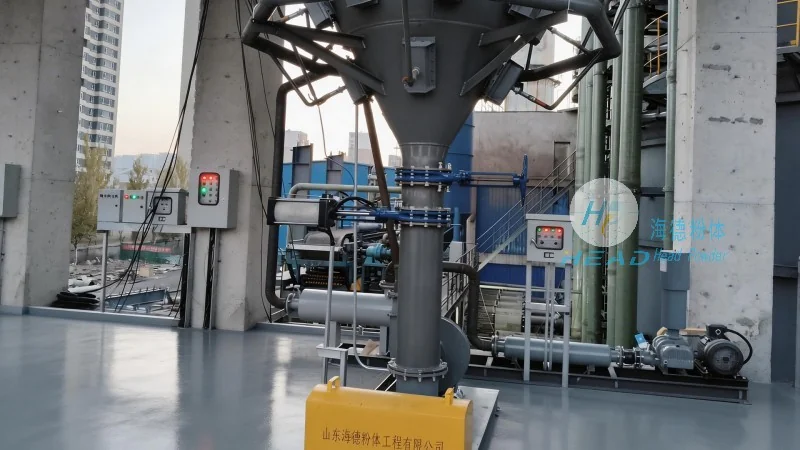
The pneumatic conveying system for ammonium sulfate consists of several key components, each playing a vital role in the overall functionality. The primary components include the material hopper, feeding mechanism, conveying pipeline, air compressor, and dust collection unit. The hopper serves as the storage vessel, ensuring a steady supply of ammonium sulfate to the system. The feeder, typically a rotary valve or screw feeder, regulates the material flow into the pipeline, maintaining consistent pressure and flow rates. The conveying pipeline, constructed from corrosion-resistant materials like stainless steel, transports the material-air mixture. The air compressor generates the necessary pressure to move the material through the pipeline, while the dust collector removes airborne particles to comply with environmental regulations and ensure operational safety.
Structural Principles and Operational Mechanics
The structural principle of a pneumatic conveying system is based on the interaction between solid particles and gas flow. For ammonium sulfate, which is a fine powder, the system operates under either positive pressure or negative pressure conditions. Positive pressure systems utilize an air compressor to force air and material through the pipeline, while negative pressure systems employ a vacuum to draw material from the hopper. The design of the pipeline, including its diameter, length, and number of bends, is critical for maintaining optimal flow rates and preventing material blockages. The air-to-material ratio is another key parameter, as it directly impacts the system's efficiency and energy consumption. Properly engineered systems ensure that ammonium sulfate is conveyed without degradation, preserving its quality and usability throughout the process.
Efficiency and Maintenance Considerations
Optimizing the performance of an ammonium sulfate pneumatic conveying system requires careful attention to operational parameters and regular maintenance. The air compressor must be selected based on the required flow rate and pressure, matching the specific characteristics of ammonium sulfate to avoid inefficiencies. Routine maintenance, such as cleaning the hopper, inspecting the feeder, and checking the pipeline for obstructions, is essential to prevent downtime and ensure long-term reliability. The dust collector must be regularly cleaned to maintain its efficiency and prevent clogging, which could compromise air quality and system performance. Monitoring system performance, including flow rate and pressure, helps identify issues early and allows for timely corrective actions. By adhering to these practices, the system can operate at peak efficiency, reducing energy costs and minimizing maintenance expenses.
Applications and Advantages
Ammonium sulfate pneumatic conveying systems find widespread application in industries including chemical manufacturing, fertilizer production, and food processing. The benefits of adopting such systems are substantial: they enhance workplace safety by eliminating direct human contact with the material, reduce labor costs associated with manual handling, and boost overall production efficiency. The system also helps maintain the integrity of ammonium sulfate by preventing contamination and degradation during transportation. Additionally, the flexibility of the system allows for seamless integration with other production processes, making it a versatile solution for diverse material handling needs. The use of durable, corrosion-resistant materials in the construction of the system ensures longevity and reliability, even in harsh industrial environments.
About Shandong HeadPowder Engineering Co., Ltd.
Shandong HeadPowder Engineering Co., Ltd. is a leading manufacturer specializing in material handling equipment, with a strong focus on pneumatic conveying systems for industrial applications. With extensive experience and a commitment to innovation, the company designs and produces high-quality solutions tailored to the unique requirements of its clients. HeadPowder Engineering's products are recognized for their reliability, efficiency, and durability, making them a trusted choice in the industry. The company's headquarters is located in Shandong, China, where it continues to advance its technology and improve its products to meet evolving market demands. HeadPowder Engineering is dedicated to delivering comprehensive solutions that enhance productivity and safety in industrial operations.