

Introduction to Small Stone Powder Conveying: Structure and Working Principle Explanation
For industries dealing with small stone powders, efficient and reliable conveying systems are crucial for maintaining production efficiency and product quality. The small stone powder conveying system developed by Shandong HeadPowder Engineering Co., Ltd. offers a comprehensive solution that integrates advanced technology with robust engineering design. This article provides an overview of the system's structure and working principles, highlighting its key components and operational mechanisms.
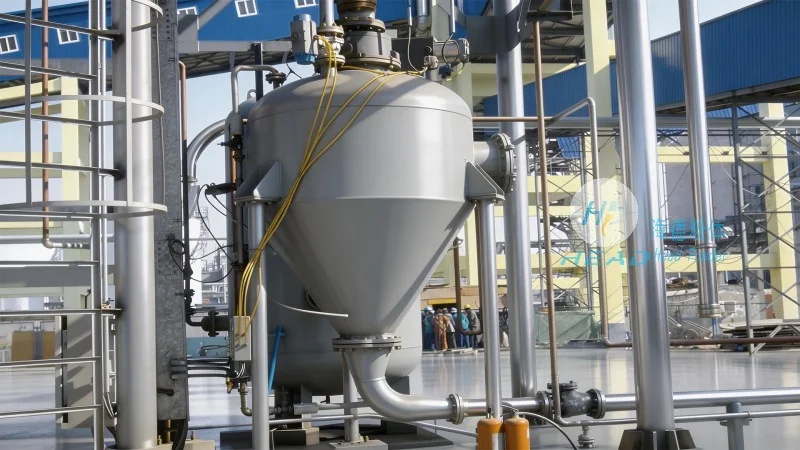
Company Overview and System Introduction
Shandong HeadPowder Engineering Co., Ltd., commonly known as HeadPowder, is a leading manufacturer specializing in powder handling equipment. The company's small stone powder conveying system is engineered to handle various types of small stone powders, including but not limited to crushed stone, sand, and other granular materials. The system is designed to meet the demands of different industrial applications, such as mining, construction, and chemical processing, by ensuring stable and continuous material transport.
Core Components of the Conveying System
The small stone powder conveying system consists of several key components that work in tandem to achieve efficient material transport. The primary components include the hopper, conveyor belt, drive system, and control unit. The hopper is responsible for collecting and storing the small stone powders, ensuring a consistent feed to the conveyor system. The conveyor belt, typically made of durable materials like rubber or polyurethane, is designed to handle the abrasive nature of small stone powders, minimizing wear and tear over time. The drive system, which may include electric motors and gearboxes, provides the necessary power to move the conveyor belt at a controlled speed. The control unit, equipped with sensors and monitoring devices, allows operators to adjust the system's parameters and monitor its performance in real-time.
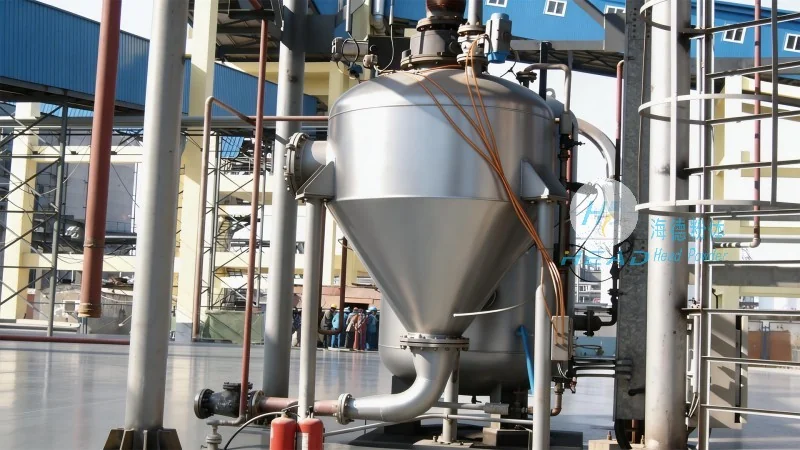
Working Principle of the Conveying System
The operation of the small stone powder conveying system follows a straightforward yet effective mechanism. Initially, the small stone powders are fed into the hopper from a storage silo or other feeding equipment. The material then flows into the conveyor belt through a feeding mechanism, such as a feeder or a screw conveyor. The conveyor belt, driven by the motor, moves the material forward along the designated path. As the belt moves, the small stone powders are transported from the inlet to the outlet, where they are discharged into a collection container or directly into the next processing stage. The control unit plays a critical role in regulating the feeding rate and conveyor speed, ensuring that the system operates at optimal efficiency and preventing overloading or underloading conditions.
Advantages and Applications
The small stone powder conveying system offers several advantages that make it suitable for a wide range of industrial applications. One of the key advantages is its ability to handle abrasive materials without significant wear on the components. The durable conveyor belt and robust drive system ensure long-term reliability and low maintenance costs. Additionally, the system's modular design allows for easy installation and integration into existing production lines. The system is widely used in mining operations for transporting crushed stone from the crushing plant to storage facilities or processing units. In the construction industry, it is used to convey sand and gravel to mixing plants or construction sites. The chemical processing industry also benefits from this system by transporting raw materials like limestone or silica powders to reactors and other processing equipment.
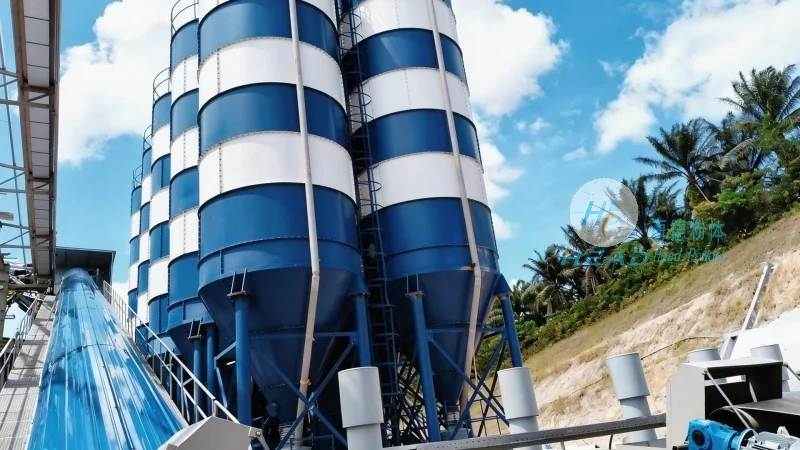
Installation and Maintenance Considerations
Proper installation and regular maintenance are essential for maximizing the lifespan and performance of the small stone powder conveying system. During installation, it is important to ensure that the system is level and securely mounted to prevent vibrations and instability. The hopper and conveyor belt should be properly aligned to avoid material spillage and ensure smooth flow. Regular maintenance tasks include checking the conveyor belt for wear and tear, lubricating the drive system components, and cleaning the hopper and feeding mechanisms to prevent clogging. The control unit should be inspected regularly to ensure that all sensors and monitoring devices are functioning correctly. By following these maintenance guidelines, the system can operate efficiently for extended periods, reducing downtime and maintenance costs.
Conclusion
Shandong HeadPowder Engineering Co., Ltd.'s small stone powder conveying system provides an efficient and reliable solution for transporting small stone powders in various industrial applications. The system's robust design, advanced components, and effective working principles make it a preferred choice for industries that require consistent and high-quality material transport. With proper installation and maintenance, the system can deliver long-term performance and contribute to improved productivity and operational efficiency. HeadPowder continues to innovate and improve its conveying systems to meet the evolving needs of the industry, ensuring that its products remain at the forefront of powder handling technology.