

Sodium Bicarbonate Powder Handling: An Overview of Structural Principles
For industries that utilize sodium bicarbonate as a critical raw material, the efficient handling and conveying of this powder are paramount. This overview delves into the key aspects involved in sodium bicarbonate powder conveying, including structural principles and operational considerations. The focus is on the technical aspects that ensure safe and effective material transport, which is essential for maintaining product quality and operational efficiency. The following sections explore the key components, design considerations, and practical applications of sodium bicarbonate powder handling systems.
Company Profile: Shandong HeadPowder Engineering Co., Ltd.
HeadPowder, the professional manufacturer behind this expertise, is a leading company in the field of powder handling technology. Based in Shandong, China, HeadPowder specializes in designing, manufacturing, and supplying advanced solutions for various powder processing needs. With a strong commitment to innovation and customer satisfaction, the company has established itself as a trusted partner for industries requiring high-performance powder handling equipment. The company’s expertise in sodium bicarbonate handling is built on years of research, development, and practical application, ensuring that their solutions meet the specific demands of diverse industrial sectors.
Key Structural Components of Sodium Bicarbonate Powder Conveying Systems
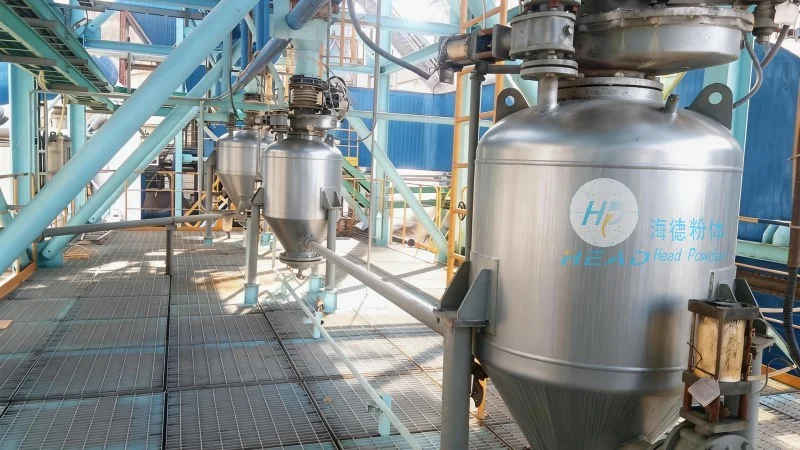
The core of any effective sodium bicarbonate powder conveying system lies in its structural design. These systems typically consist of several interconnected components that work in harmony to ensure smooth material transport. The primary components include hoppers for material storage, feeders to control the flow rate, conveying lines (such as pneumatic or mechanical systems), and discharge mechanisms. Each component plays a vital role in maintaining the integrity of the powder and preventing issues like caking, segregation, or blockages. The design of these components is tailored to the physical properties of sodium bicarbonate, such as its particle size, density, and flow characteristics, ensuring optimal performance.
Operational Principles and Flow Control
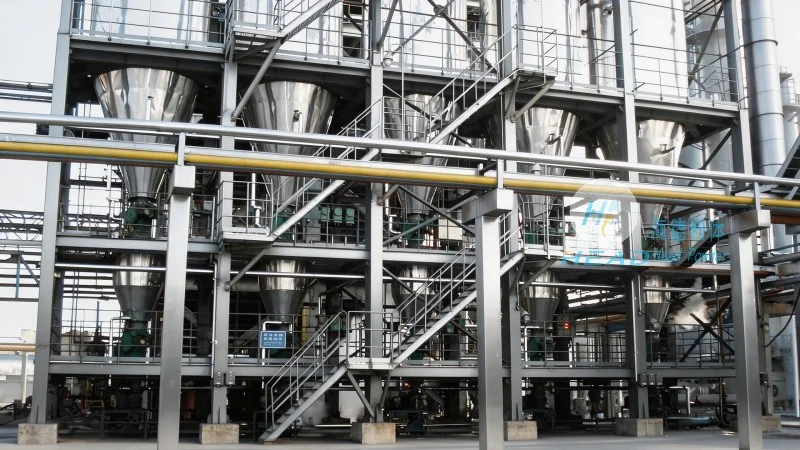
Effective flow control is essential for maintaining the efficiency and safety of sodium bicarbonate powder handling operations. The systems employ various mechanisms to regulate the flow of powder, including rotary valves, screw feeders, and pneumatic conveying lines. These components are designed to handle the specific challenges posed by sodium bicarbonate, such as its tendency to form lumps or clumps under certain conditions. By implementing precise flow control, businesses can avoid overloading the conveying system, reduce energy consumption, and minimize the risk of equipment damage. The operational principles also emphasize the importance of maintaining consistent air pressure and flow rates in pneumatic systems, which directly impacts the speed and reliability of powder transport.
Design Considerations for Reliable Powder Handling
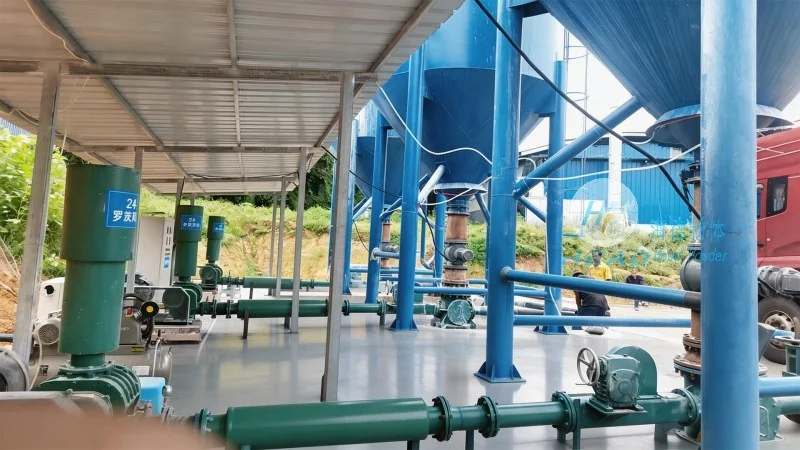
When designing sodium bicarbonate powder conveying systems, several factors must be considered to ensure long-term reliability and performance. Material selection is a critical aspect, as the equipment must be resistant to corrosion and wear caused by the chemical properties of sodium bicarbonate. Stainless steel and other corrosion-resistant materials are commonly used for components that come into direct contact with the powder. Additionally, the system design must account for the potential for dust generation and the need for proper ventilation and dust collection systems to maintain a safe working environment. The layout of the conveying system is also important, as it should minimize the number of bends and changes in direction to reduce the risk of particle segregation and blockages. Proper maintenance and regular inspections are also essential to ensure that the system operates at peak efficiency and to identify any potential issues before they become major problems.
Applications and Industry Impact
Sodium bicarbonate powder handling systems are widely used across various industries, including food processing, pharmaceuticals, and chemical manufacturing. In the food industry, these systems are crucial for processing baking soda, which is used in baking and as a leavening agent. In the pharmaceutical sector, sodium bicarbonate is used as an excipient and in the production of various medications, requiring precise and clean handling to maintain product purity. The chemical industry also relies on efficient powder handling for the production of sodium bicarbonate-based products, such as sodium carbonate and other derivatives. The reliability of these systems directly impacts the quality and consistency of the final products, making them an integral part of industrial operations. By investing in advanced powder handling solutions, businesses can enhance their productivity, reduce costs, and improve overall operational efficiency.