

Introduction to Powder Material Handling for Glass Raw Materials and Structural Principles
HeadPowder, a leading provider of engineering solutions, specializes in the design and implementation of efficient powder handling systems tailored for the glass manufacturing industry. With a strong presence in Shandong, China, the company leverages its expertise to deliver reliable and high-performance equipment for transporting glass raw materials. This article provides an overview of the structural principles and operational aspects of such systems, highlighting the critical role they play in modern glass production.
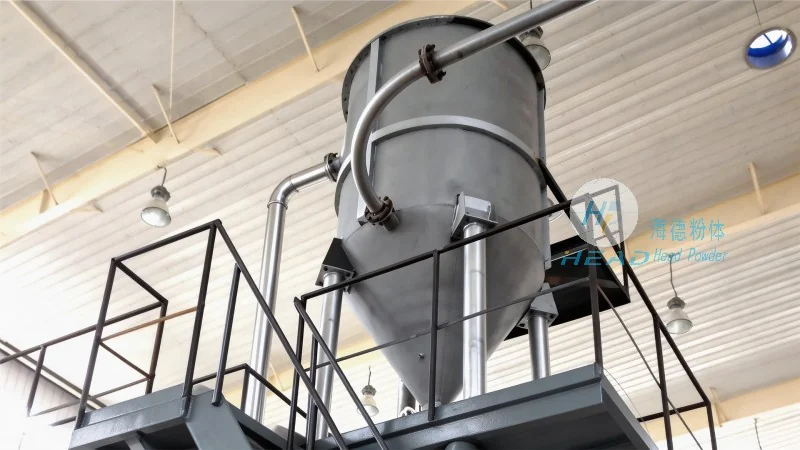
Company Overview and Location
HeadPowder Engineering Co., Ltd. is a reputable enterprise dedicated to advancing powder handling technologies for industrial applications. The company operates from Shandong, China, where it has established a robust infrastructure to support its engineering, manufacturing, and service capabilities. By focusing on precision and efficiency, HeadPowder ensures that its solutions meet the stringent requirements of the glass industry, enabling seamless material flow from raw material storage to processing units.
Importance of Powder Handling in Glass Manufacturing
Powder handling systems are integral to the glass production process, as they facilitate the efficient transportation of raw materials such as silica sand, soda ash, limestone, and other additives. These materials are typically stored in bulk and require specialized equipment to move them through various stages of production without degradation or contamination. The reliability of powder handling systems directly impacts production efficiency, product quality, and overall operational costs in glass manufacturing. Therefore, understanding the structural principles behind these systems is essential for optimizing performance and ensuring consistent output.
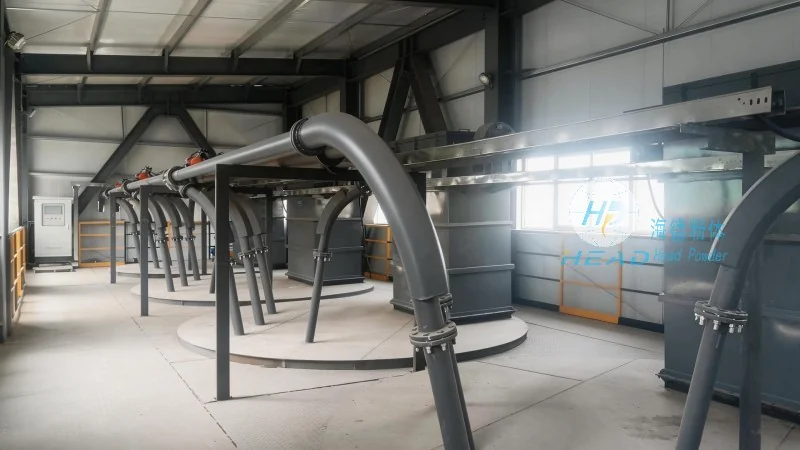
Structural Principles of Powder Handling Systems
The core components of a powder handling system for glass raw materials include storage silos, conveyors, feeders, and control mechanisms. Each component is designed to work in harmony to ensure smooth material flow. Storage silos are typically constructed from durable materials like steel or concrete, providing ample capacity to store bulk raw materials. These silos are equipped with aeration systems to prevent material bridging and compaction, which can impede flow. Conveyors, such as belt conveyors or screw conveyors, are used to transport materials from the silos to processing units. The choice of conveyor type depends on the material characteristics, including particle size, moisture content, and flowability. Feeders, including rotary valves or vibratory feeders, regulate the flow rate of materials into the next stage of the process, ensuring consistent feeding rates.
Key Operational Features and Design Considerations
Designing an effective powder handling system involves careful consideration of several factors, including material properties, system capacity, and environmental conditions. For glass raw materials, which often have varying particle sizes and flow characteristics, the system must be adaptable to handle different compositions. Aeration and vibration are commonly used to improve material flowability, reducing the risk of blockages and ensuring uniform material distribution. Additionally, the system must be equipped with dust control measures to maintain a safe and clean working environment. The structural integrity of each component is critical, as it must withstand the mechanical stresses associated with handling bulk materials over extended periods. HeadPowder’s engineering team employs advanced design methodologies and material selection processes to ensure that their systems are robust, reliable, and tailored to the specific needs of each glass manufacturing facility.
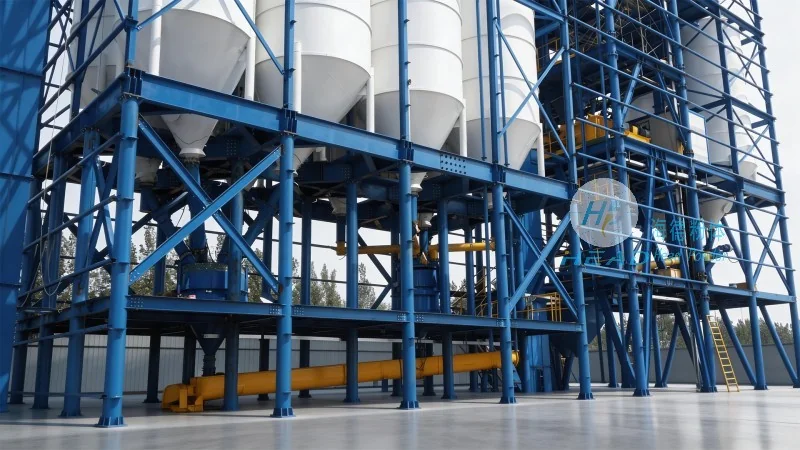
Application Examples and Performance Metrics
HeadPowder’s powder handling systems have been successfully implemented in numerous glass production facilities worldwide. These systems demonstrate consistent performance in terms of material throughput, with capacities ranging from several tons per hour to over 100 tons per hour, depending on the scale of the operation. The systems are designed to minimize downtime and maintenance requirements, with features such as easy access for cleaning and maintenance, and integrated monitoring systems that provide real-time data on system performance. By optimizing material flow and reducing operational disruptions, HeadPowder’s solutions contribute to improved productivity and cost savings for glass manufacturers. The company’s commitment to quality and customer satisfaction is reflected in the long-term partnerships it has established with leading glass producers, who rely on its expertise to enhance their production processes.
Conclusion and Future Directions
In conclusion, the structural principles and operational efficiency of powder handling systems are crucial to the success of glass manufacturing operations. HeadPowder Engineering Co., Ltd., based in Shandong, China, offers comprehensive solutions that address the unique challenges of handling glass raw materials. By combining advanced engineering, robust design, and a customer-centric approach, HeadPowder ensures that its systems deliver reliable performance and contribute to the overall efficiency of glass production facilities. As the glass industry continues to evolve, the demand for sophisticated powder handling solutions will remain high, and HeadPowder is positioned to meet these needs with innovative and effective technologies.