

Aluminum Sulfate Pneumatic Conveying: How to Efficiently Transport Powdered Materials with Air Flow?
Efficient material handling is a critical challenge in many industrial processes, especially when dealing with bulk materials like aluminum sulfate. Traditional methods such as belt conveyors or bucket elevators may face limitations in terms of dust control, material degradation, or operational complexity. Pneumatic conveying offers a solution by using air to transport powders and granules, providing a clean, flexible, and efficient method for material transport. This article explores the principles and applications of aluminum sulfate pneumatic conveying, focusing on how to achieve high-efficiency transport of this specific material.
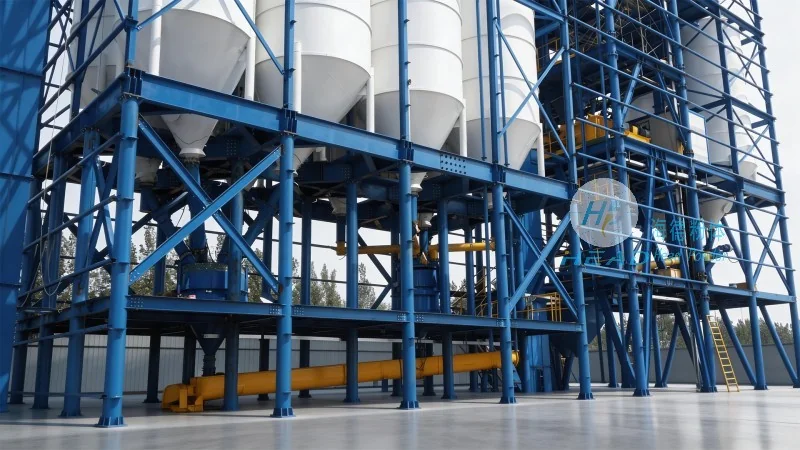
Understanding Aluminum Sulfate and Its Handling Challenges
Aluminum sulfate, also known as alum, is a widely used chemical in water treatment, paper manufacturing, and other industrial applications. It is typically supplied in powdered or granular form, which makes it susceptible to dust generation and caking during handling. Traditional bulk material handling methods often struggle with these challenges, leading to operational inefficiencies and safety concerns. Pneumatic conveying systems address these issues by utilizing air to move the material through a pipeline, minimizing direct contact and reducing dust exposure.
Pneumatic Conveying Basics: How It Works
Pneumatic conveying systems operate by creating a pressure differential between the material source and the discharge point. The system can be categorized into two main types: pressure and vacuum. In pressure systems, compressed air is used to push the material through the pipeline, while vacuum systems use a vacuum to draw the material into the system. For aluminum sulfate, a pressure system is often preferred due to its ability to handle abrasive materials and maintain consistent flow rates. The key components of a pneumatic conveying system include the hopper, feeder, pipeline, and receiver. The hopper stores the material, the feeder controls the flow rate, the pipeline transports the material, and the receiver collects the material at the destination.
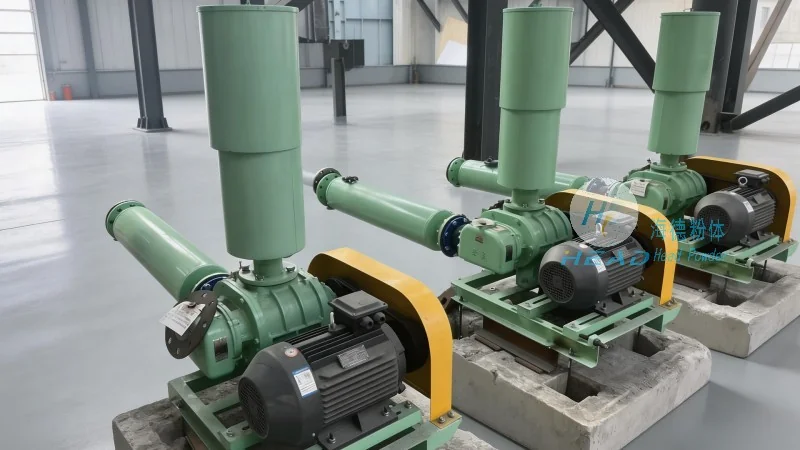
HeadPowder's Solutions for Aluminum Sulfate Pneumatic Conveying
Shandong HeadPowder Engineering Co., Ltd., a leading provider of material handling solutions, specializes in designing and manufacturing customized pneumatic conveying systems for aluminum sulfate and other bulk materials. The company's expertise lies in understanding the unique properties of aluminum sulfate, such as its hygroscopic nature and potential for caking, and tailoring the conveying system to meet specific operational requirements. HeadPowder's solutions include high-capacity pressure conveyors, flexible hose systems, and advanced control systems that ensure smooth and efficient material transport. The company's engineers work closely with clients to assess their material handling needs, providing tailored recommendations that optimize performance and reduce operational costs.
Key Benefits of Aluminum Sulfate Pneumatic Conveying
Implementing a pneumatic conveying system for aluminum sulfate offers several significant benefits. First, it provides a dust-free environment, which enhances workplace safety and compliance with environmental regulations. Second, it reduces material degradation by minimizing direct contact and abrasion during transport. Third, it offers flexibility in terms of layout and integration with existing facilities. Fourth, it improves operational efficiency by reducing downtime and maintenance costs. These benefits make pneumatic conveying an attractive option for industries that handle aluminum sulfate on a large scale.
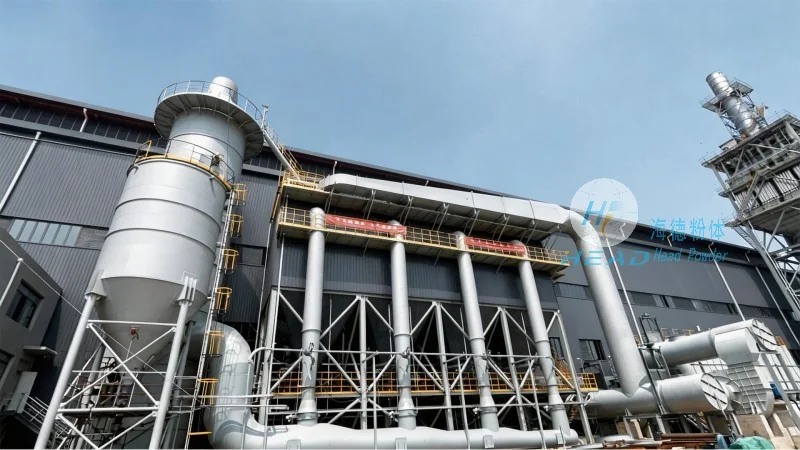
Applications and Case Studies
Aluminum sulfate pneumatic conveying is widely used in various industries, including water treatment, paper manufacturing, and chemical processing. In water treatment plants, the system is used to transport aluminum sulfate from storage to dosing points, ensuring consistent dosing and efficient water treatment. In paper mills, it is used to convey the chemical to the papermaking process, improving the quality and consistency of the final product. HeadPowder has successfully implemented pneumatic conveying systems for several clients, including a major water treatment facility in Shandong, China, which reported a 30% reduction in material handling time and a 20% decrease in dust emissions after upgrading to the system.
Conclusion: Optimizing Aluminum Sulfate Transport with Pneumatic Conveying
Efficient transport of aluminum sulfate is crucial for maintaining operational efficiency and compliance in various industrial applications. Pneumatic conveying offers a reliable and effective solution by utilizing air to move the material through a pipeline, minimizing dust and degradation. Shandong HeadPowder Engineering Co., Ltd. provides specialized solutions tailored to the unique needs of aluminum sulfate handling, ensuring high-efficiency and cost-effective material transport. By investing in a properly designed pneumatic conveying system, industries can improve their operational performance, enhance safety, and reduce environmental impact.