

Pneumatic Conveying of Fibrous Materials: How to Efficiently Transport Bulk Powders with Air Flow
Pneumatic conveying technology offers a highly efficient method for transporting fibrous and granular materials. This approach leverages air flow to move materials through a pipeline system, eliminating the need for mechanical components like belts or buckets. For industries dealing with delicate or abrasive powders, such as those containing fibers, this method provides a gentle yet effective solution. The core principle involves creating a pressure differential that propels the material forward, ensuring minimal product degradation and consistent flow rates.
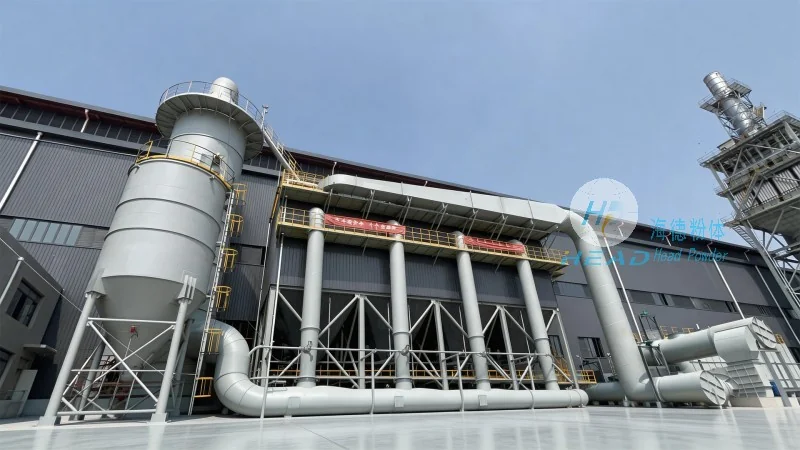
Understanding Pneumatic Conveying Systems
At its essence, a pneumatic conveying system consists of a source of air (often compressed air), a material feed mechanism, and a pipeline network. The system can operate under either positive pressure or negative pressure (suction). Positive pressure systems push material through the line using compressed air, while negative pressure systems draw material in using a vacuum. The choice between these modes depends on factors like material properties, distance, and system complexity. For fibrous materials, positive pressure is often preferred as it provides better control over flow and reduces the risk of blockages.
Key Considerations for Fibrous Material Handling
Handling fibrous materials requires special attention due to their unique characteristics. These materials may have varying particle sizes, moisture content, and abrasive properties, which can affect the conveying process. Fibers can also tend to agglomerate or form clumps, leading to blockages if not properly managed. To address these challenges, specialized equipment such as rotary valves, airlocks, and cyclone separators are used. These components help ensure consistent material feed and prevent clogging in the pipeline. Additionally, the selection of pipeline materials—such as stainless steel or plastic—must consider the chemical and mechanical compatibility of the fibrous material to avoid corrosion or wear.
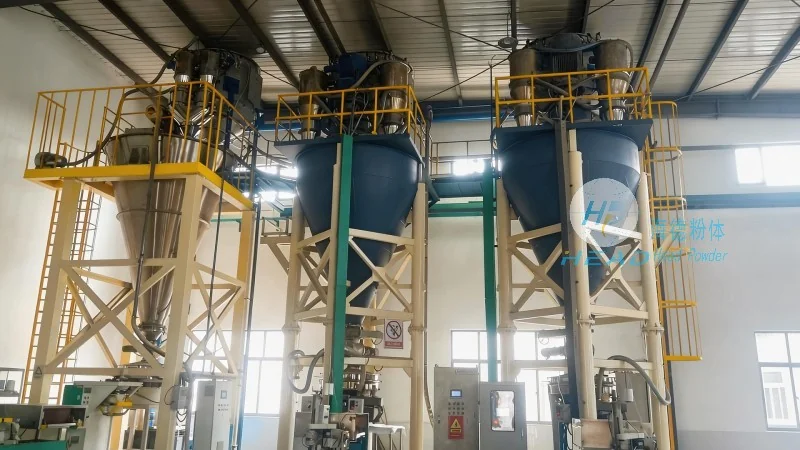
HeadPowder's Expertise in Pneumatic Conveying Solutions
Shandong HeadPowder Engineering Co., Ltd. (HeadPowder) specializes in designing and manufacturing customized pneumatic conveying systems tailored to the specific needs of fibrous material applications. With years of experience in the industry, HeadPowder has developed a deep understanding of the challenges associated with handling delicate powders. The company’s team of engineers works closely with clients to assess material properties, process requirements, and operational constraints, ensuring that the final system is optimized for efficiency and reliability. HeadPowder’s solutions often include advanced control systems that monitor flow rates, pressure differentials, and material levels in real-time, providing operators with immediate feedback and enabling proactive maintenance.
Benefits of Using Pneumatic Conveying for Fibrous Materials
Implementing a pneumatic conveying system for fibrous materials offers several advantages. First, it provides a clean and hygienic method of material transport, as the system is enclosed and prevents contamination from external sources. This is particularly important for food-grade or pharmaceutical applications where product purity is critical. Second, the process is highly flexible, allowing for changes in material type or flow rate without major system modifications. Third, the system reduces labor costs by automating material handling, as it eliminates the need for manual loading or unloading. Finally, pneumatic conveying minimizes product degradation, as the gentle air flow prevents abrasion or breakage of fibers, preserving the material’s quality and consistency.
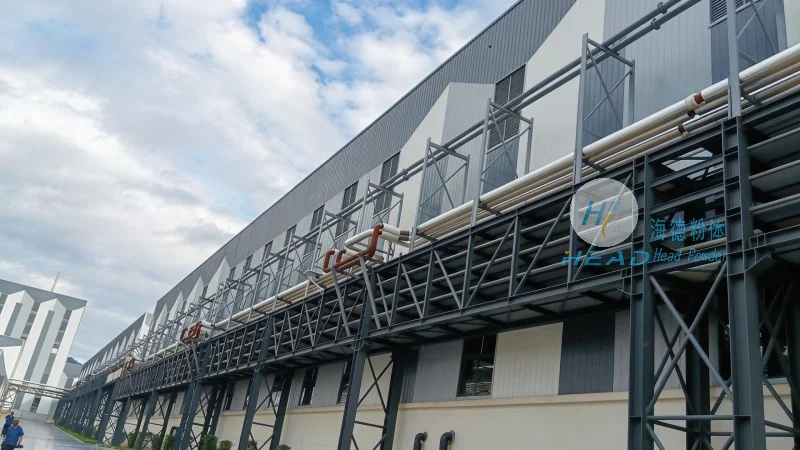
Customization and Scalability
HeadPowder recognizes that no two applications are identical, which is why they offer fully customizable pneumatic conveying solutions. Whether the requirement is for short-distance transport within a facility or long-distance transfer between locations, HeadPowder can design a system that meets the specific needs. The company’s solutions are scalable, allowing for easy expansion as production needs grow. This flexibility ensures that clients can invest in a system that aligns with their current requirements while providing room for future growth. HeadPowder’s engineers also consider factors such as energy efficiency and environmental impact when designing systems, incorporating features like energy recovery and dust control to minimize operational costs and environmental footprint.
Conclusion
Pneumatic conveying represents a highly effective and efficient method for transporting fibrous and granular materials. By leveraging air flow, this technology offers a gentle yet powerful solution that minimizes product degradation and maximizes operational efficiency. For industries dealing with delicate powders, partnering with a specialized provider like HeadPowder is essential to ensure that the system is optimized for performance and reliability. With their expertise in designing customized pneumatic conveying systems, HeadPowder helps clients achieve seamless material handling, reducing downtime and improving overall productivity.