

Application and Optimization of Pneumatic Conveying Technology in Polyethylene Conveying Design
Pneumatic conveying technology has become a critical solution for efficient and reliable transportation of polyethylene materials in various industrial applications. As a leading provider in the field, Shandong HeadPowder Engineering Co., Ltd. specializes in designing and implementing advanced pneumatic conveying systems tailored to the unique challenges of polyethylene handling. This article explores the application and optimization strategies of pneumatic conveying technology in polyethylene conveying design, highlighting key aspects that enhance system performance, safety, and operational efficiency.
Understanding Pneumatic Conveying for Polyethylene Handling
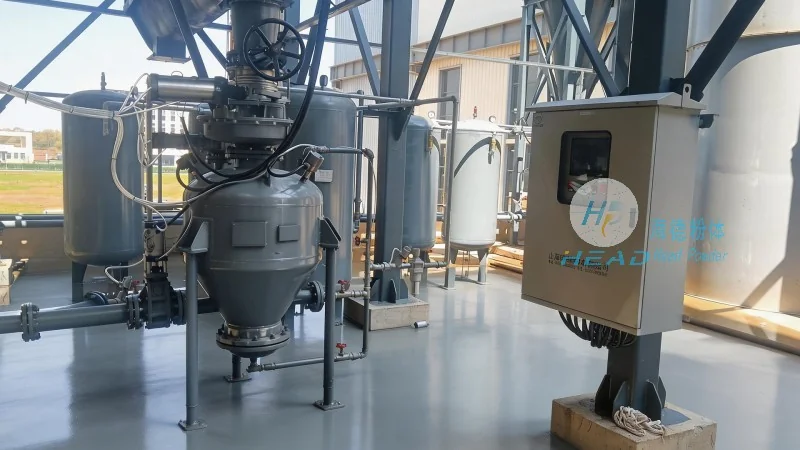
Polyethylene, a widely used thermoplastic polymer, presents specific challenges during material transport due to its low bulk density and tendency to agglomerate. Traditional conveying methods like belt conveyors or screw conveyors may struggle with maintaining consistent flow rates and preventing material degradation. Pneumatic conveying, which uses air or gas to transport bulk materials through a pipeline, offers a more flexible and efficient alternative. By generating a controlled airflow, these systems can effectively move polyethylene from storage silos, processing units, or packaging areas without the need for mechanical contact with the material. This approach minimizes product contamination, reduces wear on equipment, and improves overall process reliability.
HeadPowder Engineering's Expertise in Pneumatic Conveying Solutions
Shandong HeadPowder Engineering Co., Ltd., commonly known as HeadPowder, has established itself as a trusted partner in the development of customized pneumatic conveying solutions. With a strong foundation in engineering and material science, the company leverages decades of experience to address the specific requirements of polyethylene processing industries. HeadPowder's team of experts conducts thorough assessments of client operations, including material characteristics, flow rates, and facility layout, to design systems that meet both current and future needs. The company's approach emphasizes integration with existing infrastructure, ensuring seamless transitions and minimal disruption to production schedules.
Key Design Considerations for Optimizing Polyethylene Conveying
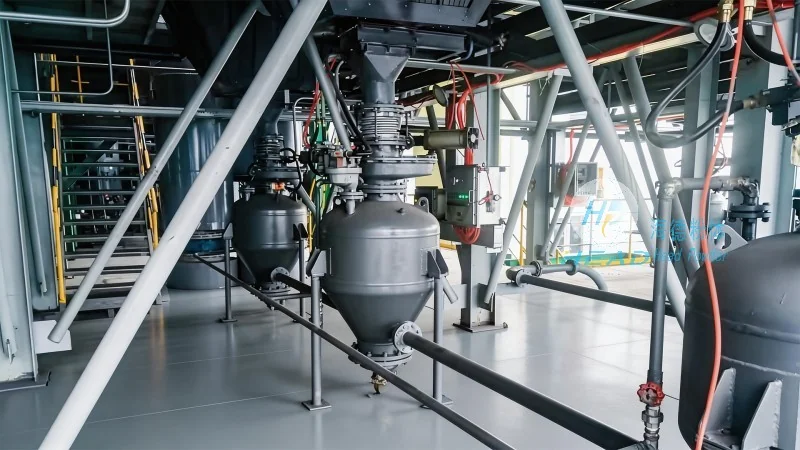
Optimizing a pneumatic conveying system for polyethylene involves several critical design elements. First, the selection of the appropriate conveying method—such as dilute-phase or dense-phase—depends on the material's properties and the distance to be covered. Dilute-phase systems, which use high-velocity air to suspend particles, are ideal for short to medium distances and low to medium flow rates. Dense-phase systems, on the other hand, use lower air velocities to create a plug flow, reducing particle impact and improving material integrity, making them suitable for longer distances or sensitive polyethylene grades. HeadPowder engineers carefully evaluate these factors to recommend the most efficient configuration.
Second, the design of the pipeline network is crucial for maintaining consistent airflow and preventing pressure drops. Properly sized pipes with smooth interiors and minimal bends or fittings are essential to avoid air resistance and ensure uniform material transport. The company also considers the use of specialized components, such as rotary valves, airlocks, and filter systems, to control material flow and maintain system cleanliness. These components are engineered to handle polyethylene's tendency to stick or agglomerate, ensuring reliable operation and easy maintenance.
Enhancing System Performance and Safety
A well-optimized pneumatic conveying system not only improves efficiency but also enhances safety in polyethylene handling. By eliminating the need for manual handling of bulk materials, the risk of dust exposure and physical injury is significantly reduced. Additionally, the enclosed pipeline design prevents environmental contamination and product loss, aligning with regulatory requirements for material handling in industrial settings. HeadPowder's systems incorporate advanced monitoring and control features, such as pressure sensors and flow meters, to provide real-time data on system performance. This allows operators to detect and address issues promptly, minimizing downtime and maximizing productivity.
Case Studies and Real-World Applications
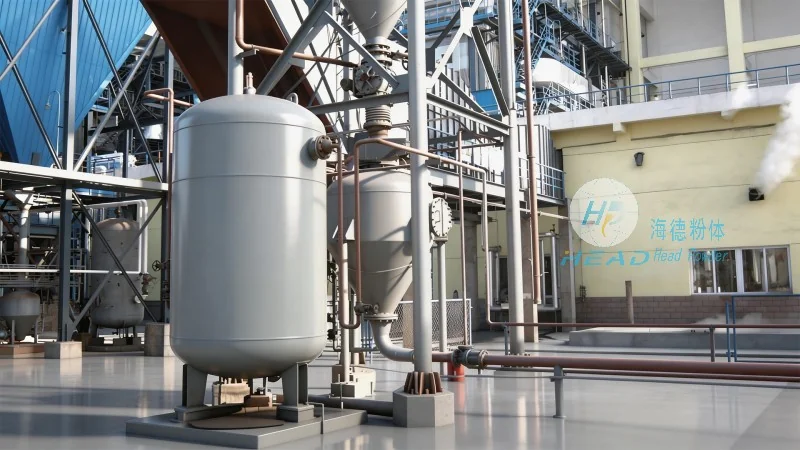
HeadPowder has successfully implemented pneumatic conveying solutions for numerous polyethylene processing facilities across China. For example, a client in the packaging industry required a system to transport high-density polyethylene from storage silos to extrusion lines. The HeadPowder team designed a dense-phase system with a custom pipeline layout that minimized pressure losses over a 200-meter distance. The system's performance exceeded expectations, achieving a 15% increase in throughput compared to the previous mechanical conveyor system. Another case involved a petrochemical plant that needed to handle low-density polyethylene with high moisture content. The company's solution included a pre-drying step and a specialized filter system to prevent material blockages, resulting in a 20% reduction in maintenance costs and improved product quality. These success stories demonstrate the effectiveness of HeadPowder's approach in optimizing polyethylene conveying processes.
Future Trends and Continuous Improvement
As the polyethylene industry evolves, the demand for more efficient and sustainable material handling solutions continues to grow. HeadPowder remains committed to staying at the forefront of technological advancements, investing in research and development to enhance its pneumatic conveying systems. The company is exploring the integration of automation and artificial intelligence to further optimize system performance, reduce energy consumption, and improve predictive maintenance capabilities. By focusing on innovation and client collaboration, HeadPowder ensures that its solutions remain relevant and effective in meeting the evolving needs of the polyethylene processing sector.