

What is a Carbon Fiber Pneumatic Conveying System Equipment? What Are Its Design Principles?
Carbon fiber pneumatic conveying systems represent a sophisticated solution in material handling, combining advanced materials with efficient pneumatic transport technology. These systems are engineered to move bulk materials through a pipeline using air or gas as the conveying medium, offering advantages such as reduced maintenance, improved safety, and enhanced material protection. Understanding the equipment and its underlying design principles is crucial for industries seeking reliable and efficient material transport solutions.
Key Components of Carbon Fiber Pneumatic Conveying Systems
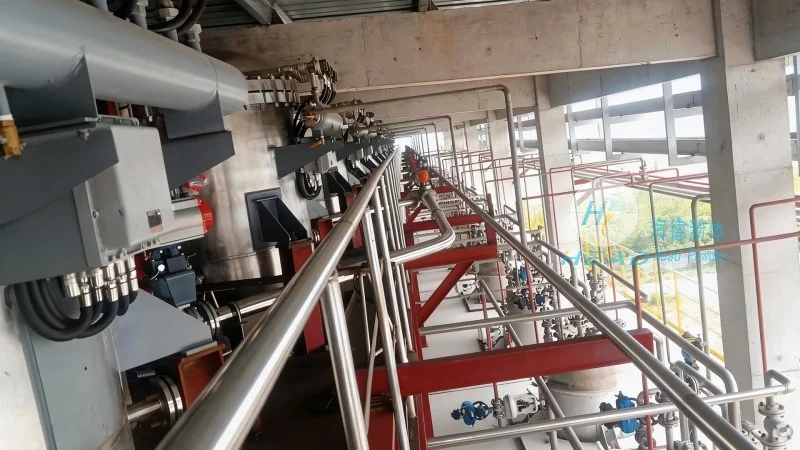
The core components of a carbon fiber pneumatic conveying system include the material feed hopper, the conveying pipeline, the air or gas source (usually a blower or compressor), and the discharge outlet. The carbon fiber construction of these components provides exceptional strength-to-weight ratios, corrosion resistance, and durability, making them ideal for handling a wide range of materials, from fine powders to granules. The feed hopper ensures a consistent material flow into the system, while the pipeline efficiently transports the material to the discharge point. The air source generates the necessary pressure or vacuum to move the material through the system, and the discharge outlet controls the release of the material at the destination.
Design Principles for Efficient Material Transport
The design of a carbon fiber pneumatic conveying system is guided by several key principles to ensure optimal performance. First, the system must be designed to handle the specific characteristics of the material being conveyed, including particle size, density, and flowability. This involves selecting the appropriate conveying method—either pressure or vacuum—based on the material's properties and the system's layout. Second, the pipeline design must minimize pressure drop and ensure smooth material flow, which is critical for maintaining system efficiency and preventing blockages. Carbon fiber's low friction and high strength properties contribute to reduced pressure losses compared to traditional materials like metal or plastic. Third, the system must incorporate features to prevent material degradation, such as abrasion or contamination, which is essential for maintaining product quality. The use of carbon fiber in the pipeline and components helps to minimize wear and tear, extending the system's lifespan and reducing maintenance costs.
Advantages of Carbon Fiber in Pneumatic Conveying Systems
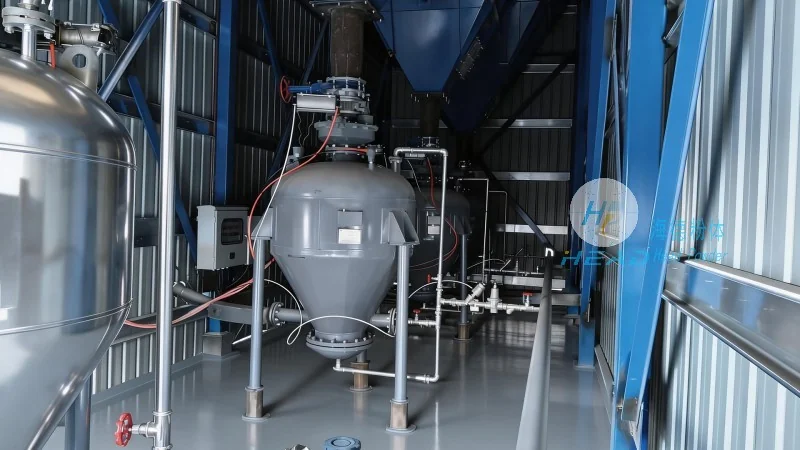
Carbon fiber offers several advantages over traditional materials in pneumatic conveying systems. Its high strength-to-weight ratio allows for lighter components and reduced energy consumption, as less force is required to move the material through the system. The material's corrosion resistance makes it suitable for handling aggressive or moisture-sensitive materials, which can cause damage to metal or plastic components over time. Additionally, carbon fiber's thermal stability helps to maintain consistent material temperatures during transport, which is important for temperature-sensitive products. These benefits translate into lower operational costs and higher system reliability, making carbon fiber pneumatic conveying systems a preferred choice for many industries.
Application Examples and Industries Served
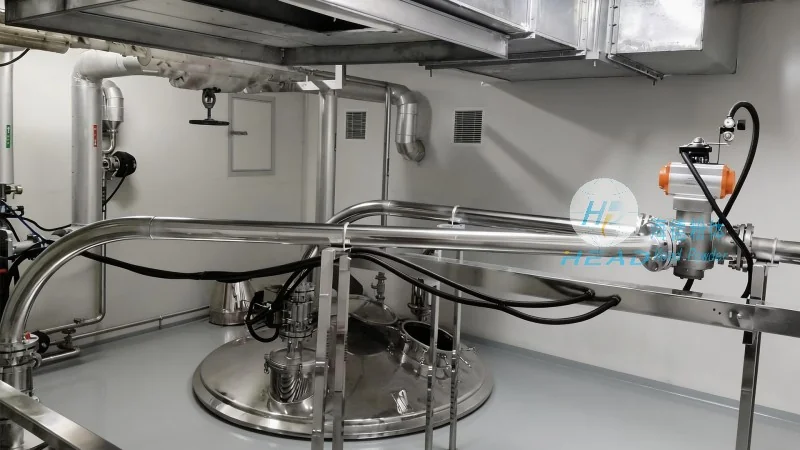
Carbon fiber pneumatic conveying systems are widely used in various industries, including pharmaceuticals, food processing, chemicals, and mining. In the pharmaceutical industry, these systems are used to transport fine powders and granules, ensuring contamination-free and hygienic handling. In food processing, they are employed to move ingredients like flour, sugar, and spices, maintaining product quality and safety. The chemical industry utilizes carbon fiber systems for handling corrosive or abrasive materials, such as powders and granules, while the mining industry uses them to transport bulk materials like ores and minerals. The versatility of carbon fiber pneumatic conveying systems makes them suitable for a wide range of applications, from small-scale laboratory use to large-scale industrial operations.
About Shandong HeadPowder Engineering Co., Ltd.
Shandong HeadPowder Engineering Co., Ltd., commonly known as HeadPowder, is a leading manufacturer of carbon fiber pneumatic conveying systems and related equipment. With a focus on innovation and quality, HeadPowder has established itself as a trusted partner for industries seeking reliable material handling solutions. The company's expertise lies in designing and manufacturing custom carbon fiber systems tailored to the specific needs of each client, ensuring optimal performance and efficiency. HeadPowder's commitment to using high-quality carbon fiber materials and advanced engineering principles results in durable, efficient, and cost-effective systems that meet the highest industry standards. Based in Shandong, China, HeadPowder serves clients globally, providing comprehensive support from design and manufacturing to installation and maintenance. The company's dedication to customer satisfaction and product excellence has earned it a reputation as a leading provider in the field of pneumatic conveying technology.