

What is a Biological Enzyme Pneumatic Conveying System Equipment? What Are Its Design Principles?
Biological enzyme pneumatic conveying systems represent a sophisticated technological solution designed to handle the transportation of materials, particularly those that are sensitive or require precise control during transit. These systems are integral to industries where the integrity of the conveyed material is paramount, such as in the pharmaceutical, food processing, and chemical sectors. Understanding the core components and design principles of such equipment is crucial for optimizing operational efficiency and ensuring product quality.
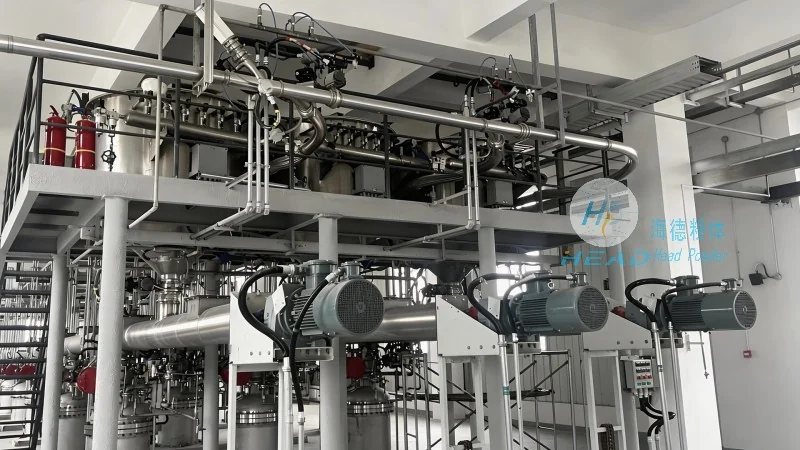
What is a Biological Enzyme Pneumatic Conveying System?
A biological enzyme pneumatic conveying system is a specialized piece of machinery that utilizes compressed air or other gases to transport materials through a pipeline. Unlike traditional mechanical conveyors, which rely on physical contact and friction, pneumatic systems employ air pressure to move powders, granules, or other particulate materials. The term "biological enzyme" in the context of this equipment often refers to the specific application or the nature of the materials being handled, which may include substances that require controlled enzymatic activity or are derived from biological processes. This makes the system particularly relevant in industries dealing with enzymes, biofuels, or other biologically active compounds. Such systems are typically engineered by companies like Shandong HeadPowder Engineering Co., Ltd., known in the industry as headpowder, to meet the stringent requirements of modern industrial applications.
Key Components of the Biological Enzyme Pneumatic Conveying System
The functionality of a biological enzyme pneumatic conveying system is achieved through a combination of several critical components. These typically include a material hopper or feeder, which serves as the initial storage and feeding mechanism. The hopper is designed to control the flow of material into the system, ensuring a consistent and regulated feed rate. This is especially important for materials that are prone to clumping or require gentle handling to avoid degradation.
Next, the system incorporates a compressor or air supply unit, which generates the necessary pressure to move the material through the pipeline. The choice of compressor type—such as rotary, reciprocating, or centrifugal—depends on factors like the material's characteristics, system size, and required flow rate. For biological enzyme applications, a compressor that provides clean, dry air is often preferred to prevent contamination and maintain the integrity of the enzymes.
A critical component is the conveying line or pipeline, which is usually made of materials like stainless steel or food-grade plastic to ensure compatibility with the conveyed substances. The pipeline is equipped with bends, elbows, and other fittings that are designed to minimize pressure loss and maintain the flow of material. In some systems, additional components like cyclones or filters may be included to separate the material from the air at the receiving end, ensuring that the material is deposited accurately and without loss.
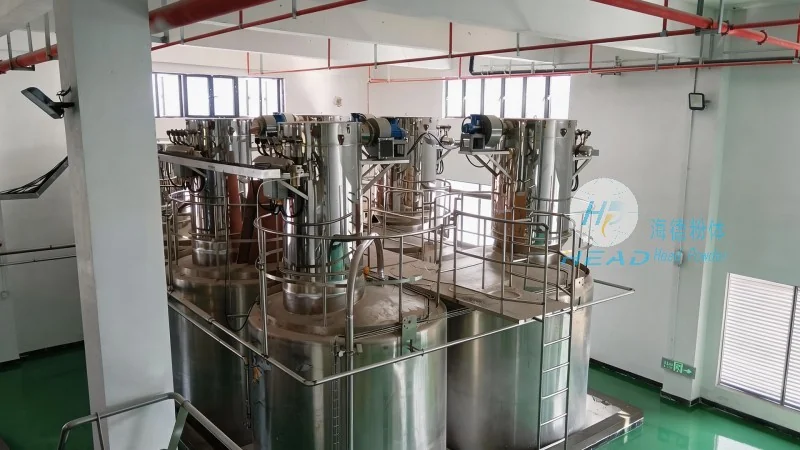
Design Principles for Biological Enzyme Pneumatic Conveying Systems
The design of a biological enzyme pneumatic conveying system is guided by several key principles aimed at optimizing performance, maintaining material quality, and ensuring operational safety. One of the primary design considerations is the need to minimize material degradation. This is achieved through the use of low-friction components, gentle material handling, and controlled air velocities. High air velocities can cause particle attrition or agglomeration, which may affect the enzymatic activity or quality of the material. Therefore, system designers often employ velocity control mechanisms to maintain optimal flow rates.
Another critical design principle is the prevention of contamination. Biological enzymes are highly sensitive to environmental factors such as moisture, temperature, and exposure to foreign substances. To address this, the system is constructed using materials that are non-reactive and easy to clean. Stainless steel is a common choice due to its corrosion resistance and hygienic properties. Additionally, the system may include features like air filtration and moisture control to maintain a sterile environment for the enzymes.
Efficiency and energy conservation are also key design considerations. The system is engineered to minimize energy consumption while maximizing material throughput. This involves optimizing the compressor size and air pressure to match the specific requirements of the application. For example, a system designed for low-density materials may use lower air pressures to achieve the desired flow rate, reducing energy costs. Furthermore, the use of efficient pipeline designs and minimal bends helps to reduce pressure losses, thereby improving overall system efficiency.
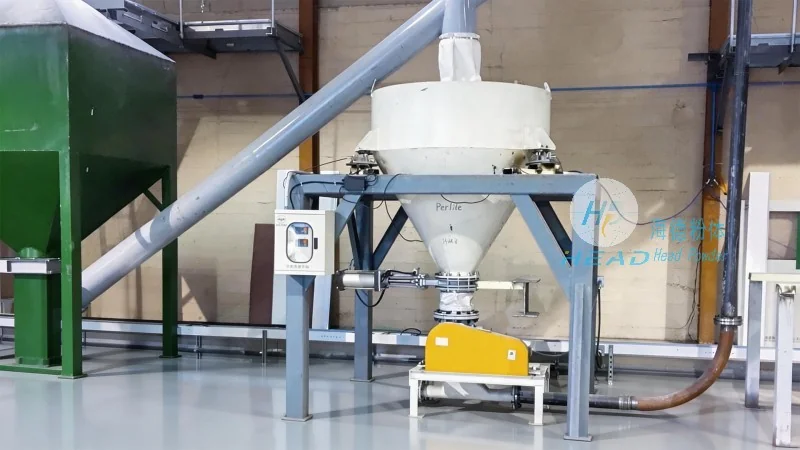
Applications and Benefits of Biological Enzyme Pneumatic Conveying Systems
The versatility of biological enzyme pneumatic conveying systems makes them suitable for a wide range of applications. In the pharmaceutical industry, these systems are used to transport active pharmaceutical ingredients (APIs) and excipients with precision, ensuring that the final product meets strict quality standards. In the food processing sector, they are employed to handle ingredients like enzymes, spices, and flavorings, maintaining the freshness and potency of these components.
One of the primary benefits of using a pneumatic conveying system is the ability to handle materials that are difficult to transport using traditional methods. For example, powders that are prone to caking or that require gentle handling can be efficiently moved through the system without degradation. Additionally, the system offers flexibility in terms of layout, as the pipeline can be configured to follow the existing plant layout, minimizing the need for additional infrastructure.
Another significant advantage is the reduced risk of cross-contamination. Unlike mechanical conveyors, which may involve physical contact with the material, pneumatic systems use air as the transport medium, preventing direct contact and ensuring that the material remains pure. This is particularly important for biological enzymes, which are often used in sensitive applications where contamination could lead to product failure or safety issues.
Conclusion
Biological enzyme pneumatic conveying systems represent a highly effective solution for the transportation of sensitive materials in various industries. By understanding the design principles and key components of these systems, manufacturers can optimize their operations, maintain product quality, and enhance overall efficiency. As the demand for precise and reliable material handling continues to grow, the importance of such systems in modern industrial processes will only increase. With proper design and maintenance, these systems provide a robust and versatile means of conveying biological enzymes and other sensitive materials, ensuring that they reach their destination in optimal condition. Shandong HeadPowder Engineering Co., Ltd. (headpowder), based in China, specializes in developing and manufacturing such advanced pneumatic conveying solutions to support industries worldwide.