

What is Soap Pellet Material Handling? Exploring Its Design Principles
Soap pellet material handling refers to the systematic process of transporting, storing, and managing soap pellets within industrial manufacturing environments. This technology is critical for ensuring the efficient flow of raw materials from storage to processing stages, thereby supporting high productivity and consistent product quality. The design of such systems is rooted in understanding the physical and chemical properties of soap pellets, which include their size, density, and moisture content, as well as their tendency to stick or clump during handling.
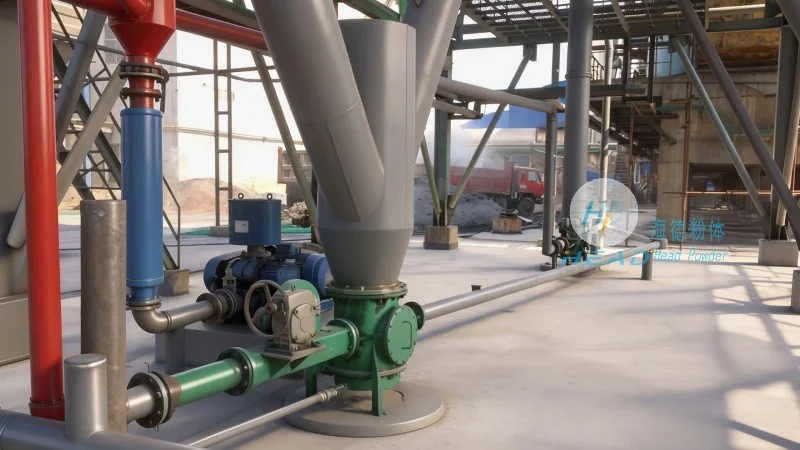
Core Components and Their Functions in Soap Pellet Handling
The effectiveness of soap pellet material handling systems depends on the integration of several key components. Feeders, typically screw or vibratory types, are used to evenly distribute the pellets into the conveyor system, preventing overloading and ensuring a steady feed rate. Conveyors, which may be belt, chain, or screw-driven, transport the pellets through the production line with minimal friction and material degradation. Storage silos or hoppers are essential for maintaining a consistent inventory of soap pellets, reducing the risk of supply interruptions. Additionally, material handling systems often incorporate control panels that allow operators to monitor and adjust parameters such as speed, pressure, and temperature in real-time.
Design Principles for Optimal Performance and Reliability
Designing soap pellet material handling systems requires adherence to several fundamental principles to achieve optimal performance and durability. One primary principle is the prevention of material degradation, which is achieved by controlling temperature and moisture levels during transport. Soap pellets are sensitive to environmental factors, and excessive heat or humidity can lead to clumping or degradation, affecting the final product quality. Another critical principle is the selection of appropriate equipment materials, such as stainless steel or corrosion-resistant alloys, to withstand the abrasive nature of soap pellets and prevent contamination. The system must also be designed for easy maintenance and cleaning, as soap pellets can adhere to surfaces and require regular sanitation to maintain hygiene standards.
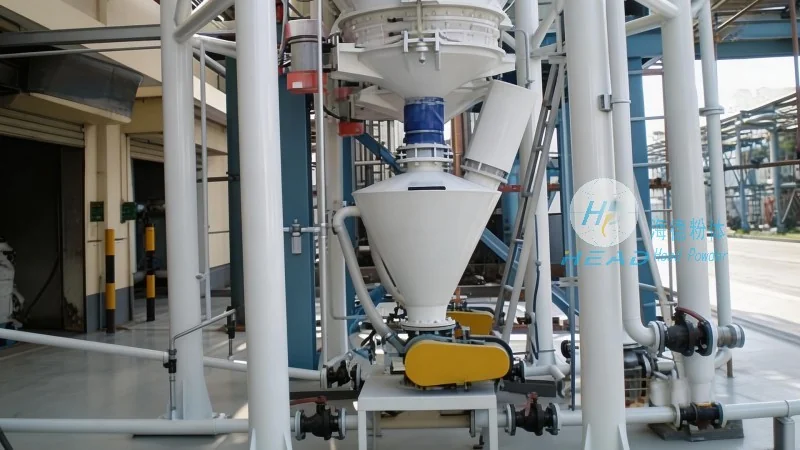
Automation and Advanced Control in Modern Soap Pellet Handling
Modern soap pellet material handling systems increasingly incorporate automation and advanced control technologies to enhance efficiency and reduce human error. Sensors and feedback mechanisms are used to monitor the flow rate, detect blockages, and adjust conveyor speeds dynamically. This real-time monitoring allows for immediate adjustments to maintain optimal performance, minimizing downtime and maximizing production throughput. Additionally, automation enables precise control over the handling process, ensuring consistent product quality and reducing waste. The integration of programmable logic controllers (PLCs) and other control systems further enhances the flexibility of the system, allowing for easy adaptation to changing production demands.
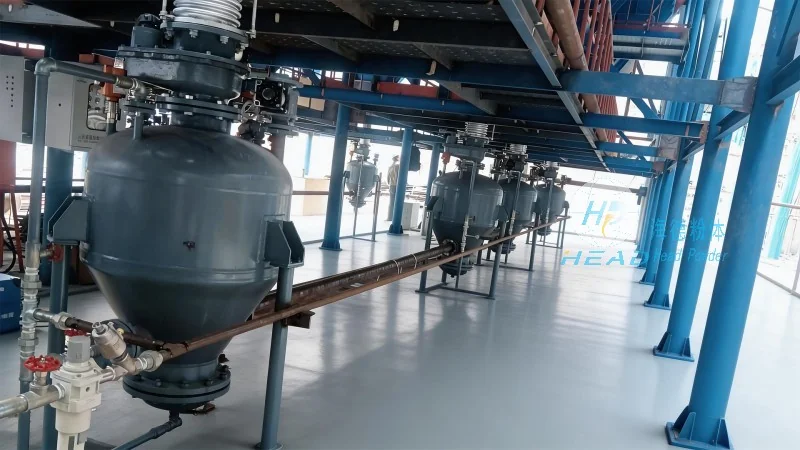
Applications Across Different Soap Manufacturing Processes
Soap pellet material handling is applicable across a wide range of soap manufacturing processes, from the production of traditional bar soap to advanced liquid and specialty soaps. In bar soap manufacturing, the system ensures that soap pellets are uniformly fed into the molding or cutting machines, resulting in consistent bar dimensions and quality. For liquid soap production, the handling system may involve the transport of powdered soap pellets to mixing tanks, where they are dissolved and processed into liquid form. Specialty soap manufacturers, such as those producing scented or colored soaps, also rely on efficient material handling to maintain the integrity of additives and ensure uniform distribution throughout the final product.
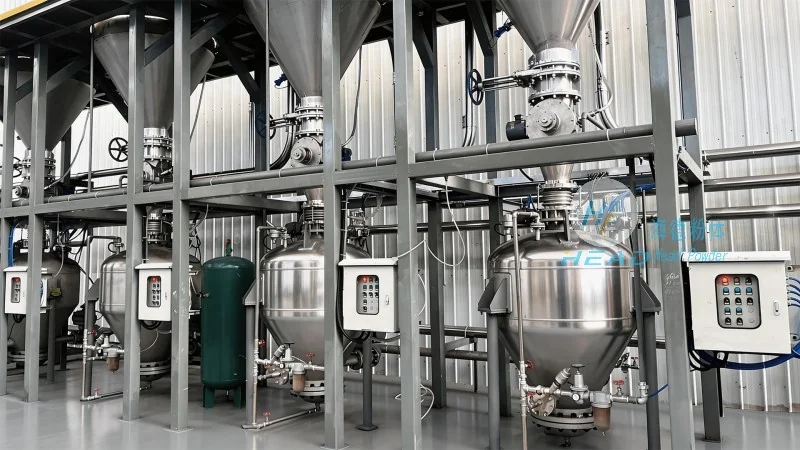
Shandong HeadPowder Engineering Co., Ltd.: Expertise in Soap Pellet Handling Solutions
Shandong HeadPowder Engineering Co., Ltd. is a prominent player in the material handling industry, specializing in the design and manufacturing of systems tailored to the unique requirements of soap pellet processing. With a strong presence in Shandong, China, the company leverages its local expertise and manufacturing capabilities to deliver high-quality solutions to clients worldwide. HeadPowder Engineering's team of engineers and technicians has extensive experience in understanding the challenges associated with soap pellet handling, including material flow, equipment wear, and contamination control. The company offers customized solutions that integrate seamlessly with existing production lines, ensuring that clients achieve improved efficiency, reduced operational costs, and enhanced product quality.
Benefits of Implementing Advanced Soap Pellet Material Handling Systems
Adopting advanced soap pellet material handling systems offers numerous benefits for manufacturers. These include increased production throughput, reduced labor costs, and improved product consistency. By minimizing material degradation and ensuring a steady supply of raw materials, companies can enhance their overall operational efficiency and competitiveness. Additionally, the integration of automation and real-time monitoring reduces the risk of errors and downtime, leading to higher customer satisfaction and repeat business. The durability and reliability of HeadPowder Engineering's systems further contribute to long-term cost savings, as they require less frequent maintenance and replacement compared to older, less efficient equipment.